
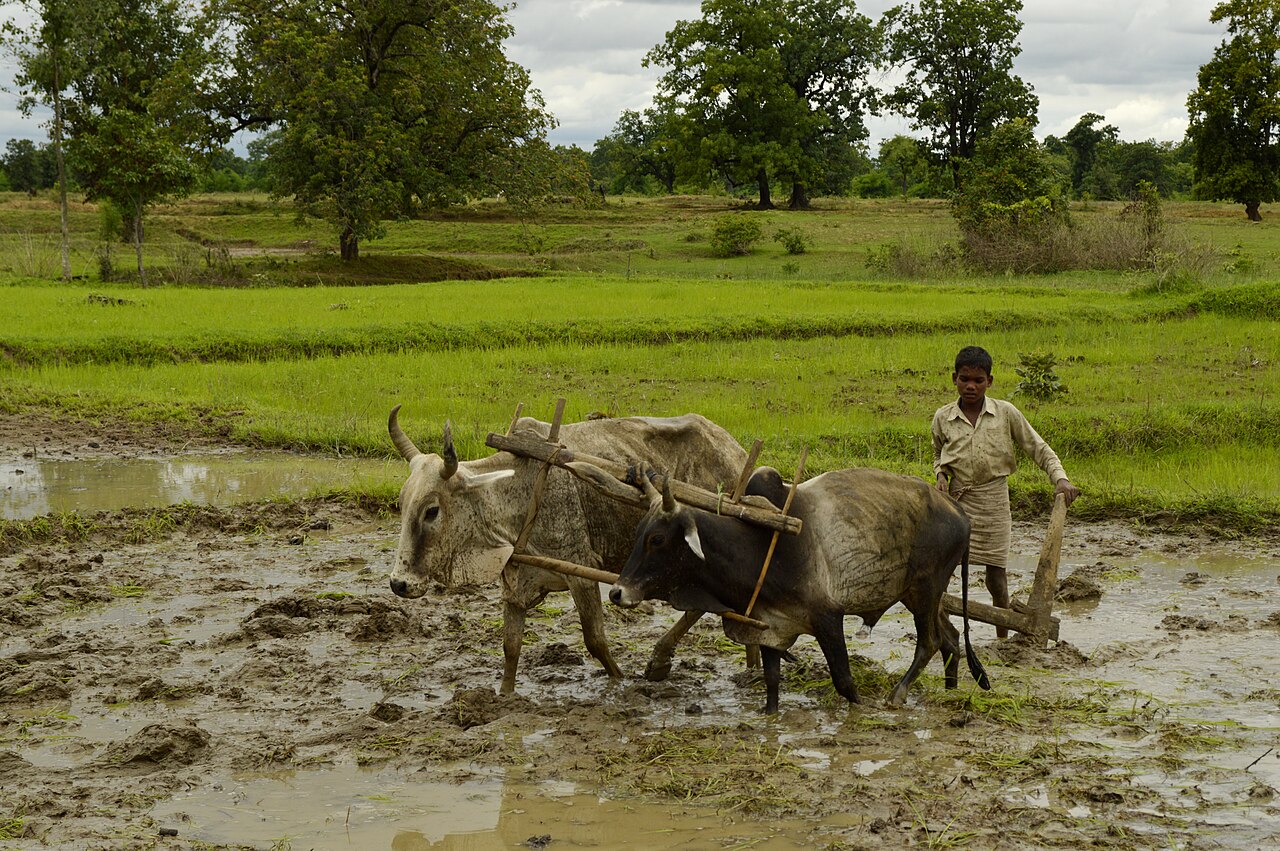
Farmers in Madhya Pradesh's Seoni district are expanding direct-seeded rice (DSR) on the strength of a herbicide-tolerant variety, Savannah 134 FullPage, which they say has answered the two problems that held the method back: weeds and low yields.
Rural Voice reports that Mahtlal Bisen of Gangeruwa village started with two acres three years ago and now grows 11. He says weedy rice, known locally as Sada Lamba, used to cut his yields by 30-40% and could not be pulled out by the time it could be recognised. Khelendra Bishen of Pipariya has gone from two acres to 20, and Baidyanath Baghel of Dhaturiya to 120 acres in two years.
According to these farmers, transplanted paddy gives about 16 quintals an acre in a normal season and 12-14 in a bad one, while FullPage DSR gives 20-26. Baghel says an older DSR variety yielded 16-17 quintals and took nearly 40 kg of seed an acre, against 7-10 kg for FullPage. The figures are the farmers' own accounts, and Baghel notes the seed costs more.
The method works because the pre-treated seed establishes well and the variety tolerates the company's designated herbicide, Wazir, so that weeds can be sprayed rather than removed by hand. Farmers apply it 12-15 days after sowing, with a second application after 20 days. Baghel says the crop saves around two irrigations; Chandrabhan Singh of Kudwari says two sprinkler irrigations can be enough where rain is scarce.
Conditions in the district favour the shift. Around Dhaturiya, about 180 km from Jabalpur, the land is uneven and largely rainfed, which rules out puddling. Soybean area has fallen sharply because the crop no longer pays, and low rainfall hit maize this year. Around Gangeruwa, by contrast, the appeal is control of weedy rice in fields that have long grown paddy.
Reporting by Ajeet Singh.
Photo: Yann / Wikimedia Commons (CC BY-SA 4.0)
Source: Rural Voice

Comments
(0)