
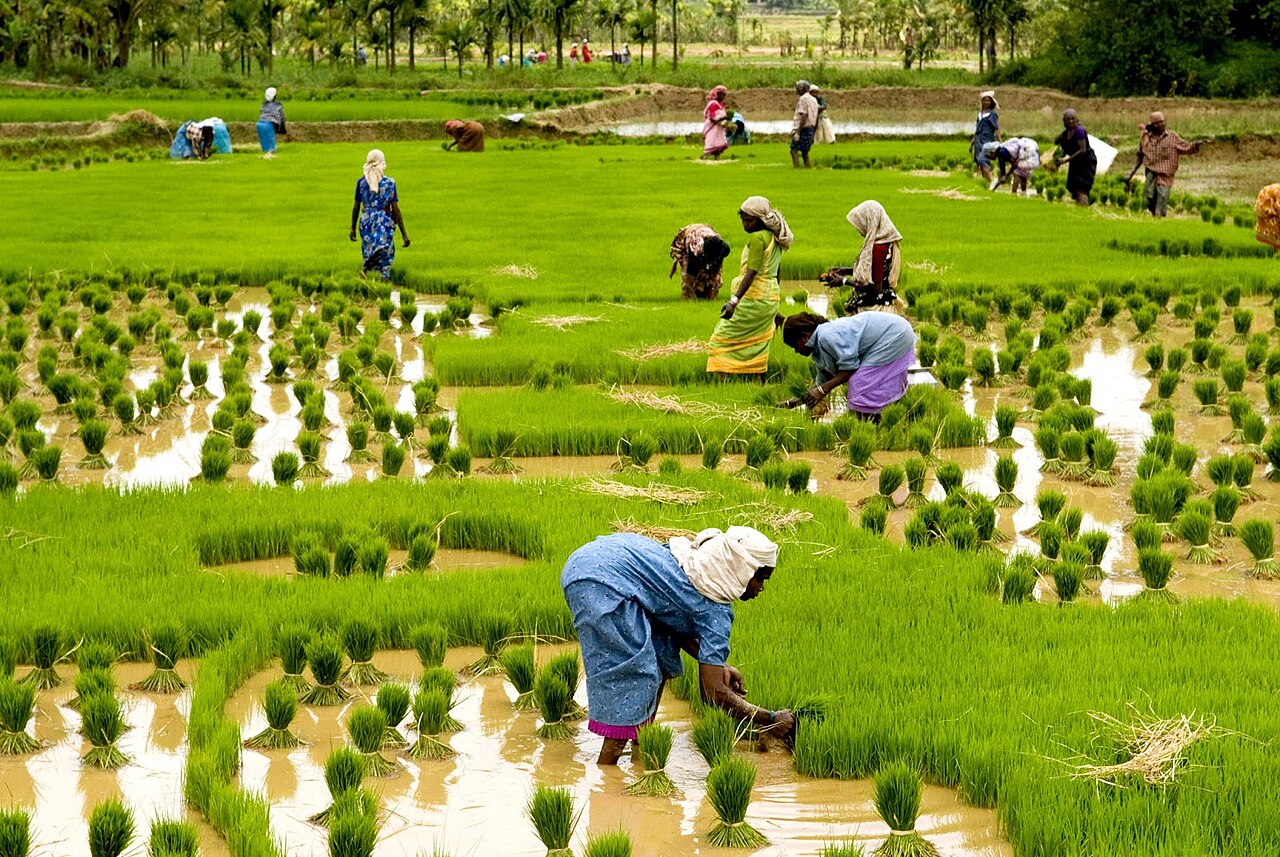
The Plant and Soil Laboratory at the International Rice Research Institute's South Asia Regional Centre (ISARC) in Varanasi, India, has become a member of the Global Soil Laboratory Network (GLOSOLAN), with effect from 7 October 2026.
GLOSOLAN was launched in November 2017 under the Global Soil Partnership of the Food and Agriculture Organization of the United Nations (FAO). It aims to harmonize soil laboratory measurements and analytical data, and supports the partnership's Action Framework 2022-2030.
For the Varanasi laboratory, membership opens technical exchange with soil laboratories around the world and a way of aligning its analysis with internationally harmonized methods. According to IRRI, that can make the soil data used in agricultural research more consistent and reliable.
Dr. Anthony Fulford, senior scientist at IRRI and head of the laboratory, said membership will strengthen links with its National Reference Laboratory, the ICAR-Indian Institute of Soil Science, and open opportunities to contribute to globally harmonized standards for soil testing and laboratory proficiency.
"The true value of soil data lies not simply in what we measure, but in how confidently that knowledge can guide decisions," said Dr. Debabrata Nath, a soil scientist at IRRI.
More consistent soil data, IRRI says, can help researchers assess soil conditions, support evidence-based crop management and inform research on sustainable rice production in South Asia.
Photo: Achuthan K V / Wikimedia Commons (CC BY-SA 4.0)
Source: IRRI
Comments
(0)