
The Netherlands risks losing its position as a global leader in agri-food innovation because regulatory and financing barriers are driving companies to commercialise overseas, according to a new report from Invest-NL.
The report says approvals for biological crop protection in Europe can take between eight and 10 years, so innovative companies launch in markets such as Brazil and the United States first. The present framework, it argues, was largely designed for chemical products and does not always reflect how biological alternatives work.
Invest-NL estimates that Dutch agri-food biotech companies could generate an additional €17bn in annual revenue by 2040 if their products could be commercialised and scaled more quickly.
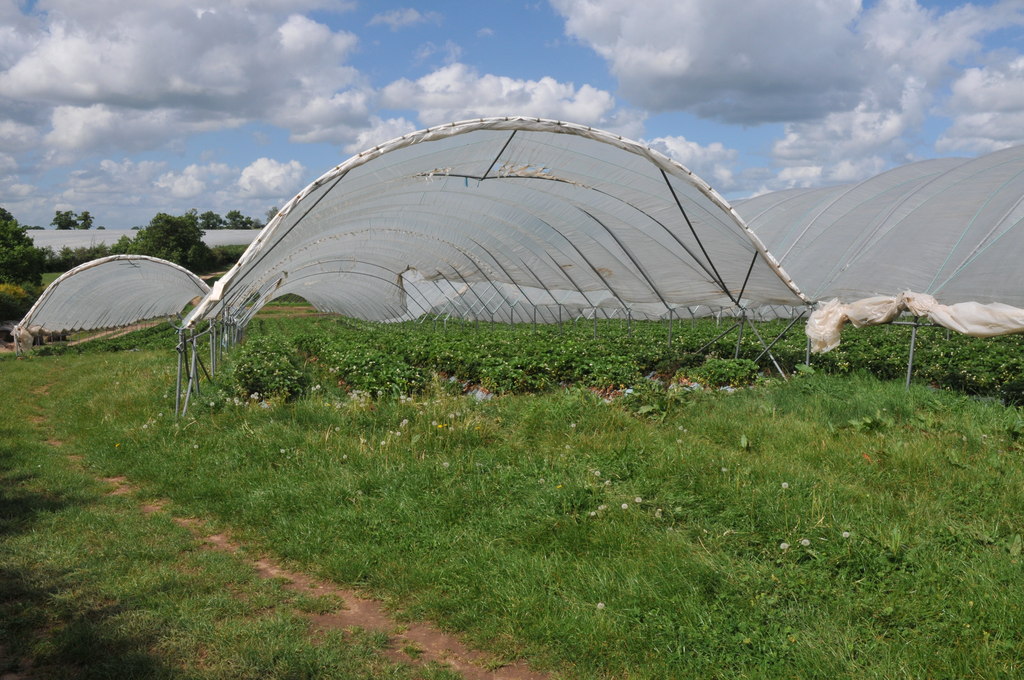
One of its examples is Eindhoven-based VitalFluid, which has developed a way of controlling fungal diseases without pesticides and has begun commercial use with strawberry growers in the UK. "Dutch farmers want it too, but we don't yet have approval from Brussels to bring it to market," said CEO Erik Hertel. The company has raised €17m, of which only about €2m is being deployed in the Netherlands, according to Invest-NL.
The other is Vivici, a precision-fermentation company that sells its proteins in the US while it waits for European approval. CTO Marcel Wubbolts said the US procedure takes a year at most, whereas in Europe the legal minimum is 17 months and he knows of nobody who reached the market within three years. Vivici manufactures at scale in India, where about a quarter of the €32.5m it raised in 2025 is being invested.
Finance is the other half of the problem, the report says, because first commercial fermentation plants can cost tens or even hundreds of millions of euros. Invest-NL is calling for faster and more appropriate regulatory routes for biological products, greater access to testing facilities and more public support to reduce the risk of first-of-a-kind plants.
Photo: Philip Halling / Wikimedia Commons (CC BY-SA 2.0)
Source: AgNavigator



Comments
(0)