
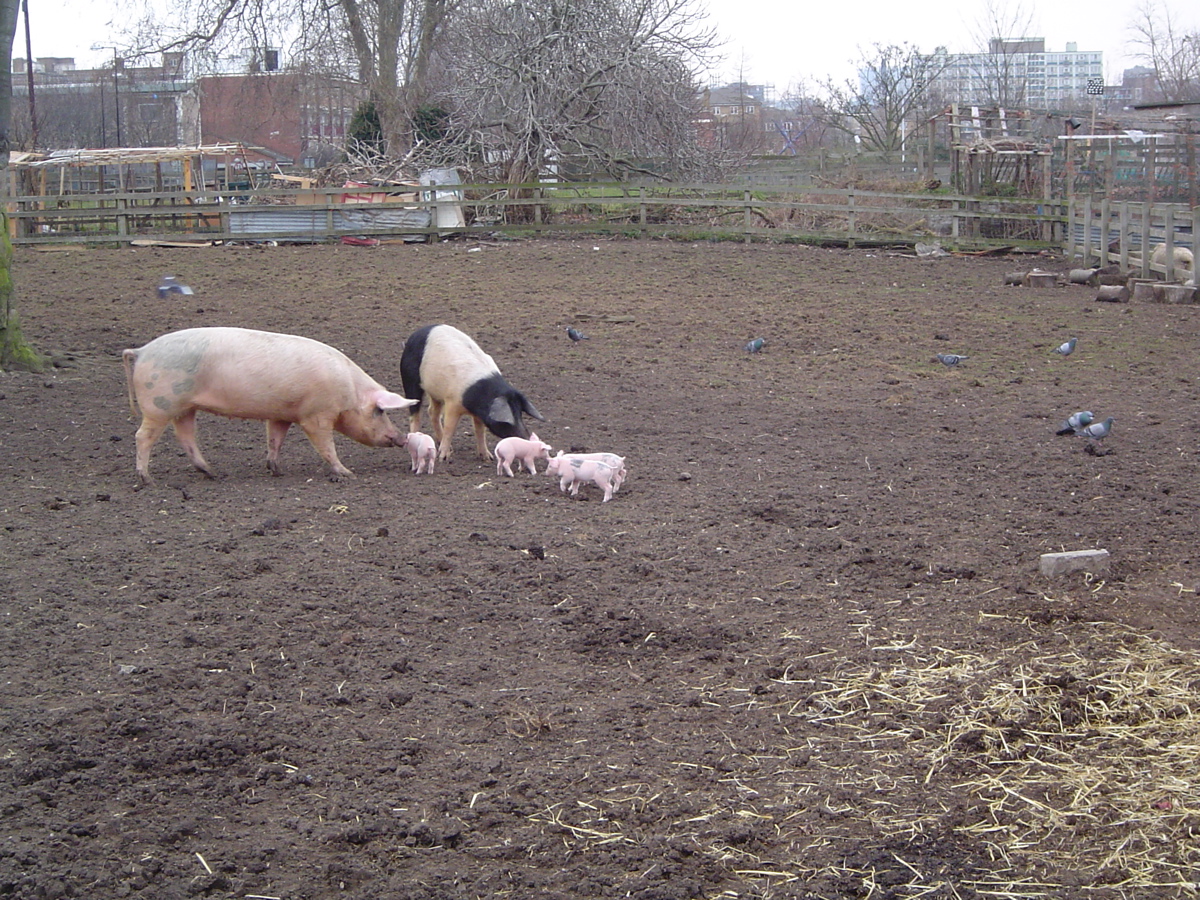
Electronic identification (EID) of pigs remains uncommon in the UK, particularly compared with competitors in the EU such as the Netherlands, even though it can follow an animal from birth to the abattoir. Pig World reports that the barriers include cost, uncertainty about using the data and a lack of suitable equipment at abattoirs.
Consultant Dominic Charman, who has worked on EID on a number of UK farms, adds another: a preoccupation with the breeding herd over finishing. "The vast majority of UK producers are paid for kilos on a hook, not pigs per sow per year," he said.
An EID tag fitted at birth can record a pig's weight at each stage and tie it back to an individual sow, which informs management and breeding decisions. It could also give full individual traceability in an outbreak of African swine fever, including where growers have been moved and mixed with pigs from other sources, and could help processors pay welfare or sustainability premiums to the right farm.
At Bridge House Farm in Northamptonshire, Charlie Thompson tags every pig at birth with ultra-high-frequency RFID tags integrated with scanning and weighing technology, which can also log health information. The data drives business decisions and genetic selection, he said, and saves labour and human error in the recording and health testing needed to export breeding pigs.
Charman warned that collecting numbers alone does not help, and that most data is pointless unless it produces insights. He gave one example: a slight rise in finisher mortality was traced to two whole litters from two sows that had died after weaning, a link batch recording would have missed because of fostering.
On cost, he said recording now takes less time. A standalone RFID reader costs about £1,100, and most units already have scales that can be linked in. Birth and slaughter, he said, are the critical points for capturing data.
Reporting by Alistair Driver.
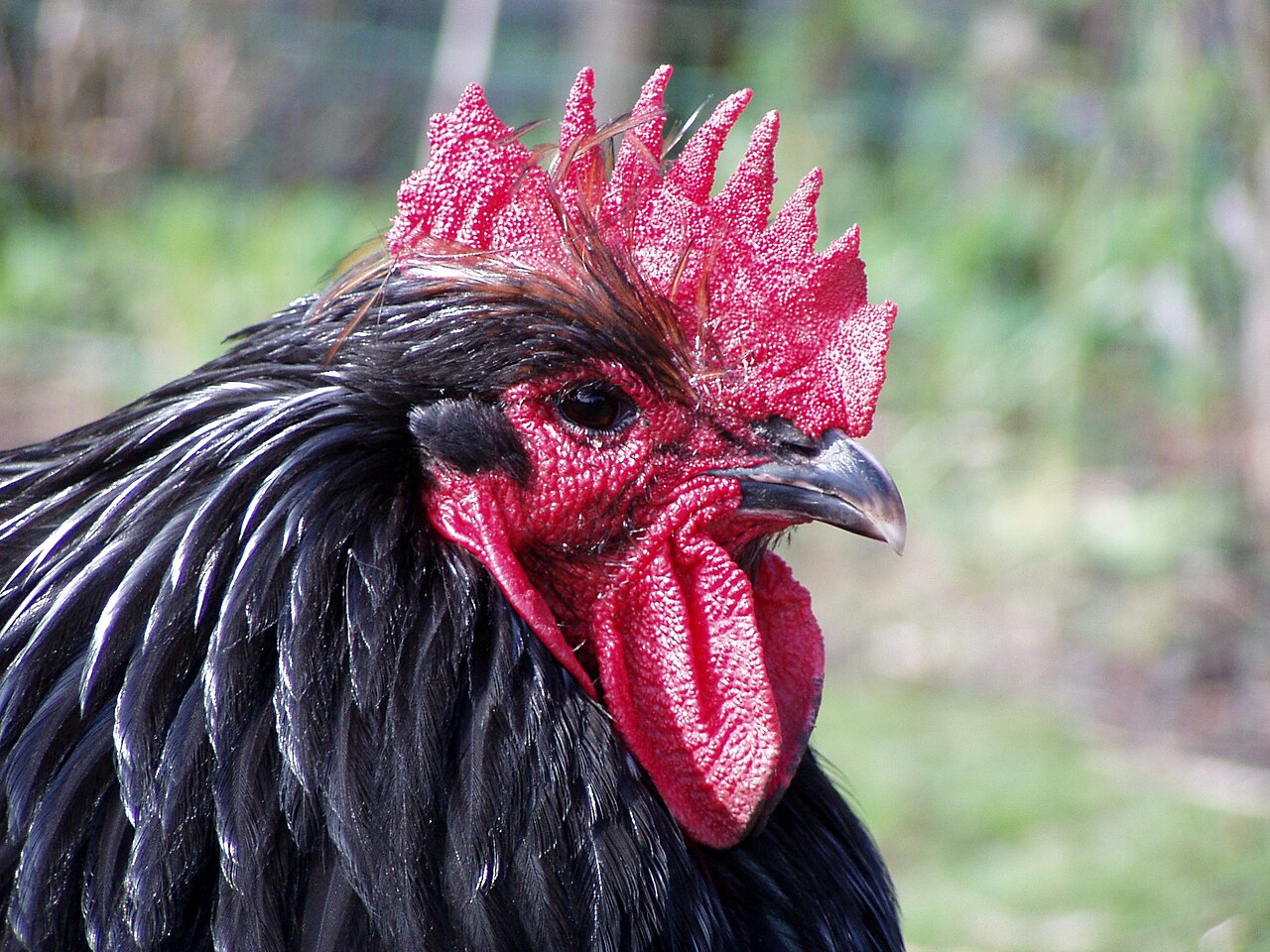
Photo: Atelier Joly / Wikimedia Commons (CC BY-SA 3.0)
Source: Pig World
Comments
(0)