
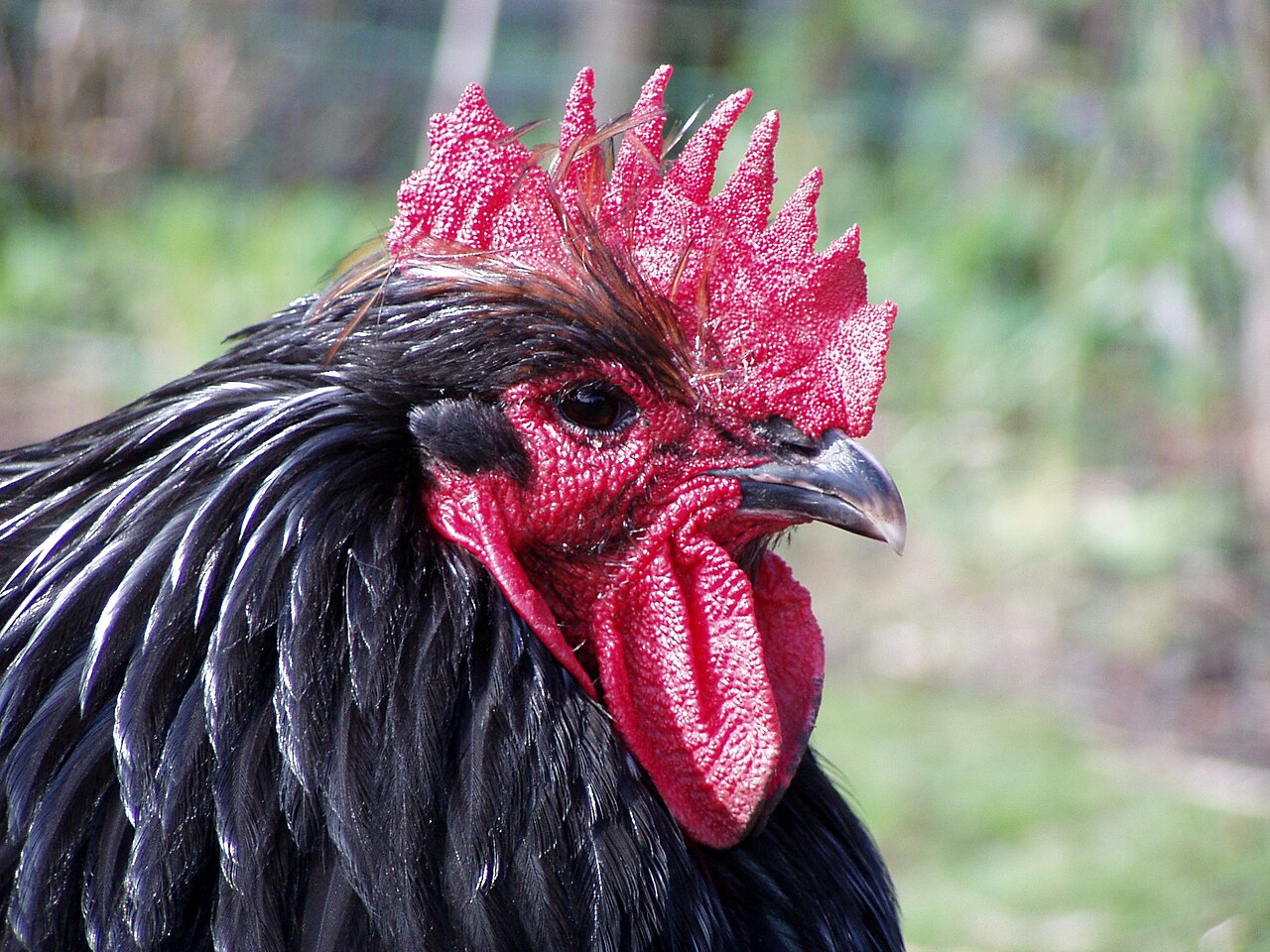
The World Poultry Foundation (WPF) believes dual-purpose poultry, breeds raised for both meat and eggs, could open new opportunities in Southern Africa's poultry value chain, especially for farmers now keeping traditional village chickens.
Maureen Stickel, the WPF's vice-president of innovation and initiatives, told Farmer's Weekly that village chickens typically lay 40 to 60 eggs a year, against around 150 for dual-purpose birds, depending on feeding and management. Under suitable conditions dual-purpose birds can reach a market weight of about 2 kg in about three months, compared with around eight months for village chickens.
The WPF published its first Africa-wide landscape survey on 30 September 2026, with data from 72 companies in 33 countries. It found that between 213 million and 225 million day-old dual-purpose chicks were sold across Africa in 2025.
The market is uneven. Southern Africa accounted for just 2.3% of estimated sales, against 64.7% in East Africa and 26.7% in West Africa, with North and Central Africa making up the remaining 6.3%. Stickel sees room for growth among hatcheries, feed suppliers and brooding units as well as farmers. "This is a whole new market segment. It's not cannibalising the layer and broiler markets," she said.
In South Africa some farmers already earn from breeds such as the Buff Orpington and the Potchefstroom Koekoek, selling fertile eggs, chicks and cockerels for meat, said Dr Letlhogonolo Selaledi, a poultry researcher at the Agricultural Research Council. He said some farmers at a farmers' day in Madibogo, North West, in September were interested in crossing these breeds with local chickens to improve meat production.
Realising the potential, he said, depends on building a viable value chain, with farmer education, reliable distribution, suitable feed and breeding stock, and research into consumer demand.
Photo: Rex / Wikimedia Commons (Public domain)
Source: Farmers Weekly South Africa

Comments
(0)