
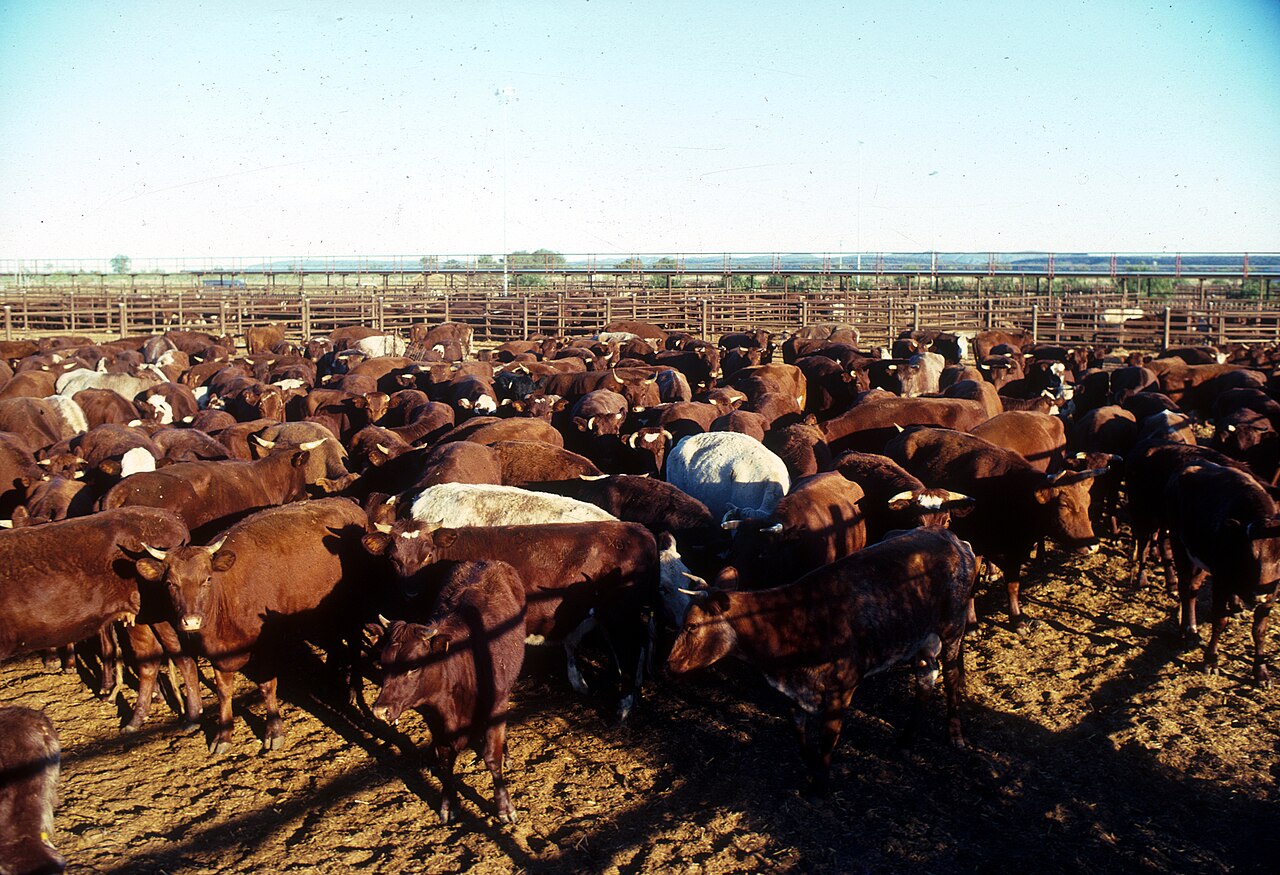
Australia's five interest rate rises this year have added about $40,000 (Australian dollars) to the annual interest bill of a cattle producer carrying the average debt in Queensland, the country's largest cattle-producing state, Beef Central reports.
The Reserve Bank of Australia's latest rise, on 4 November, was its fifth of 2026 and brought the total increase since February to 1.25 percentage points.
Toowoomba-based consultancy Bush Agribusiness told Beef Central that Australian cattle producers are now typically paying about 6.8% on variable agribusiness loans. Its June 2026 review of finance costs across its client base, before the two most recent rises, put the average at 6.3%, with a large share of producers at 6.0-6.5%. The 6.8% figure assumes lenders pass on the increases in full.
The Queensland Rural Debt Survey, from the Queensland Rural and Industry Development Authority, put average debt per beef borrower at $3.254 million at the end of 2025, up 28.3% from $2.536 million in 2023. On $3.2 million of debt, the increases come to about $40,000 a year, or $3,333 a month and almost $770 a week, a rise of 22.5% in annual interest costs.
The timing is softened by the market. Bush Agribusiness/Herd XL price charts show cattle prices at the 90.5th percentile of their inflation-adjusted history over the past 20 years, meaning they are higher in real terms than for about 90% of that period. How far that helps, the report says, depends on each business's costs, seasonal conditions, debt and cattle sold.
The National Farmers' Federation has also raised concerns about the combined effect of the rises and other cost pressures. Its chief executive, Michael Guerin, warned governments against adding avoidable costs to food production while inflation stays above the Reserve Bank's target range.
Photo: Malcolm Paterson, CSIRO / Wikimedia Commons (CC BY 3.0)
Source: Beef Central
Comments
(0)