
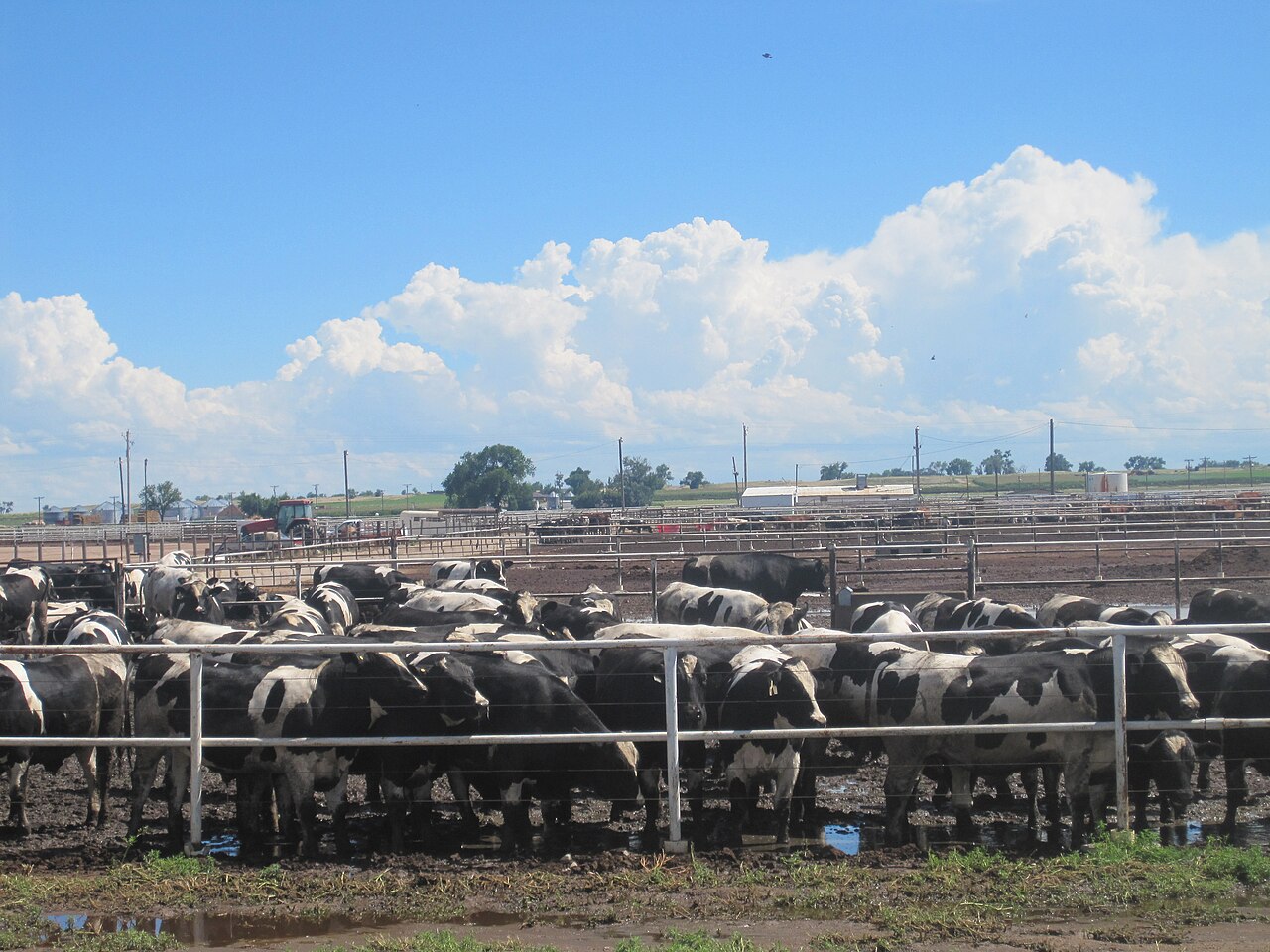
Permanent roofs are becoming big business in Australia's feedlot sector. At the grainfed industry's recent BeefEX conference on the Gold Coast, at least five or six providers of permanent shedding had substantial displays or attendance among about 100 commercial trade stands, Beef Central reports.
Jeff House of the Australian Lot Feeders Association estimates that somewhere around 50,000 Australian feedlot cattle are now housed under permanent roofing rather than shadecloth. Twenty or 30 years ago, only two or three feedlots had permanent structures; today between 20 and 30 large beef feedlots have invested in them, most in addition to shadecloth rather than in place of it.
The first were a Tasmanian feedlot built and operated by Japan's Jusco/Aeon, where weather made shelter essential for acceptable pen conditions, and the smaller Ashleigh Park Wagyu feedlot near Culcairn in southern New South Wales. Rangers Valley followed some years later, but real traction has come in the last five to eight years.
Most of the shelters serve longfed Wagyu and Angus programs. One exception is a smaller yard on Queensland's eastern Darling Downs that feeds predominantly 70-90 day cattle for the Coles supermarket chain, where a roof was built over an existing feedlot.
Some in the industry prefer to avoid the word "shed", which they say suggests an enclosed box and carries a connotation of intensive production. They point out that these structures have unimpeded airflow, ventilation and light, and that in some cases cattle can move out into open-air parts of the pen.
Stocking density is a balance under cover. Traditional pen scraping and manure removal often become unnecessary, but one yard manager said that too few cattle leave a pen dusty, while too many can turn it boggy.
Photo: Billy Hathorn / Wikimedia Commons (CC BY-SA 3.0)
Source: Beef Central
Comments
(0)