
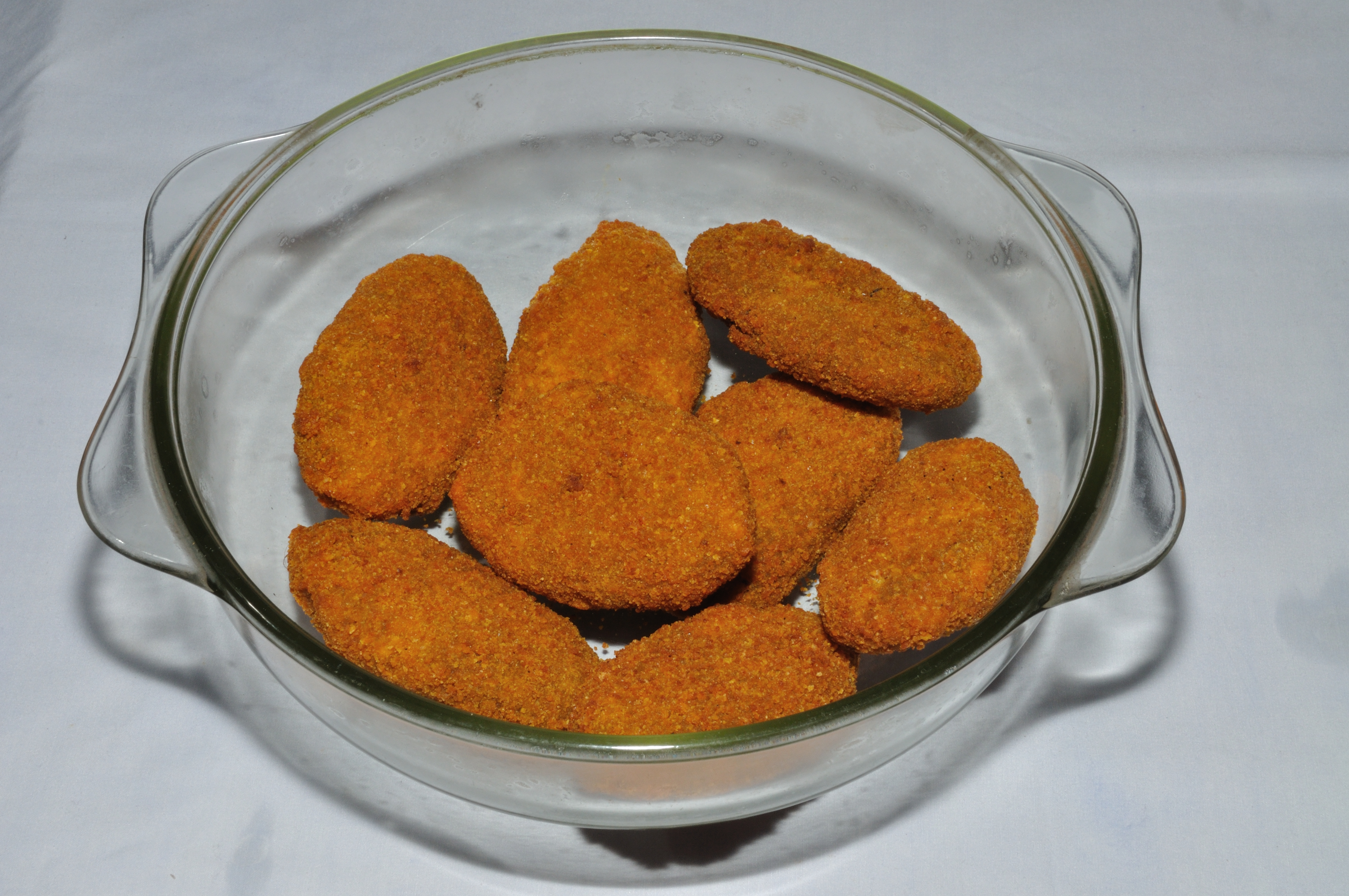
On 19 March 2026, ahead of Eid ul-Fitr, the lifestyle section of the Bangladeshi news site Jagonews24 published a recipe for oats vegetable cutlets and suggested them as a light snack for the festive table. The cutlet combines soaked oats with mashed boiled potato and vegetables fried with onion, ginger and garlic; the mixture is shaped, dipped in egg, rolled in breadcrumbs and fried until brown. The report said the dish could be made in a short time from ingredients most kitchens already hold, and that young and old alike would enjoy it.
Eid ul-Fitr marks the end of the month-long, dawn-to-dusk fast of Ramadan for Muslims around the world. It begins with a communal prayer and is followed by visits to relatives, gifts and shared meals, which is why recipes for the Eid table appear in newspapers in the days before it. This article sets out the recipe as Jagonews24 gave it and adds background on its ingredients and on cooking it safely, drawn from food-safety and nutrition authorities and from reference works.
What goes into the cutlet
The steps of the recipe name the ingredients below. The stored text of the report does not give quantities, so the amounts are left to the cook; the recipe itself says the salt is to taste.
- Oats, soaked in a little water and then drained
- Potatoes, boiled and mashed well
- A little cooking oil for frying the vegetables, and oil for frying the cutlets
- Chopped onion
- Ginger-garlic paste
- Chopped carrot
- Chopped capsicum (sweet pepper)
- Ground black pepper
- Chopped green chilli
- Salt to taste
- Chopped coriander leaves
- Egg: a little to bind the mixture and more for dipping
- Breadcrumbs for the coating
Step by step
The method, in the order Jagonews24 gave it:
- Soak the oats in a little water. Meanwhile, mash the boiled potatoes well.
- Heat a little oil in a karai (a wok-like pan) and fry the chopped onion lightly.
- When the onion is done, add the ginger-garlic paste and cook it briefly, then add the chopped carrot and fry for 5 minutes.
- Add the chopped capsicum, the mashed potato, the drained oats, ground black pepper, chopped green chilli and salt to taste. Mix well, fry for 5 minutes and take the pan off the heat.
- Add chopped coriander leaves and a little egg to the fried mixture, mix well and shape it into cutlets.
- Dip each cutlet in egg, roll it in breadcrumbs and fry it in hot oil until brown.
- Serve on a plate of your choice.
The only times the recipe gives are for the vegetables in the pan: five minutes for the carrot after the ginger-garlic paste goes in, and five more once the capsicum, potato, oats and seasoning are added. It gives no oil temperature and no frying time for the cutlets themselves, saying only that they should be fried in hot oil until brown. The section on frying below sets out what food-safety authorities advise about eggs and about how dark fried potato foods should be cooked.
Where the cutlet comes from
The word cutlet comes from the French côtelette, from côte, meaning rib. In European kitchens it first meant a thin slice of meat from the leg or ribs of mutton, veal, pork or chicken, often breaded, and later also a croquette or patty shaped like a cutlet and made of minced meat. Reference works list one more meaning that is close to this recipe: a mash of vegetables, usually potatoes, fried with bread.
In the cooking of the Indian subcontinent a cutlet means mashed vegetables, such as potatoes, carrots and beans, or cooked meat or fish, mixed with spices such as onion, coriander and green chillies, dipped in an egg mix or cornflour and then in breadcrumbs, and fried in ghee or vegetable oil. Chicken and mutton cutlets are popular snacks in the eastern part of India, especially in Kolkata. The vegetarian version is a filling of mashed potatoes, onion, green chillies, spices and salt. A cutlet is traditionally deep-fried, which sets it apart from grilled patties such as aloo tikki.
The oats vegetable cutlet that Jagonews24 described keeps this pattern: a base of mashed potato seasoned with onion, green chilli, black pepper and salt, a coat of egg and breadcrumbs, and frying in hot oil. What it adds is soaked oats in the mixture, together with carrot and capsicum among the vegetables, and ginger-garlic paste and coriander leaves for flavour.
What oats are and how rolled oats are made
Oats are the grain of Avena sativa, a cereal grass of the family Poaceae that is grown both for fodder and for its seed. Oats are thought to have begun as a weed among the first cultivated cereals, such as wheat, before becoming a crop in their own right. A granary of the Pre-Pottery Neolithic period in the Jordan Valley, about 11,400 to 11,200 years old, held some 120,000 seeds of wild oat, which suggests intentional cultivation, and domesticated oat grains appear in the European archaeological record about 3,000 years ago. Today oats are widely fed to horses, cattle and other ruminants; for people they are eaten mainly as porridge and also in baked goods, breakfast cereals and oat milk.
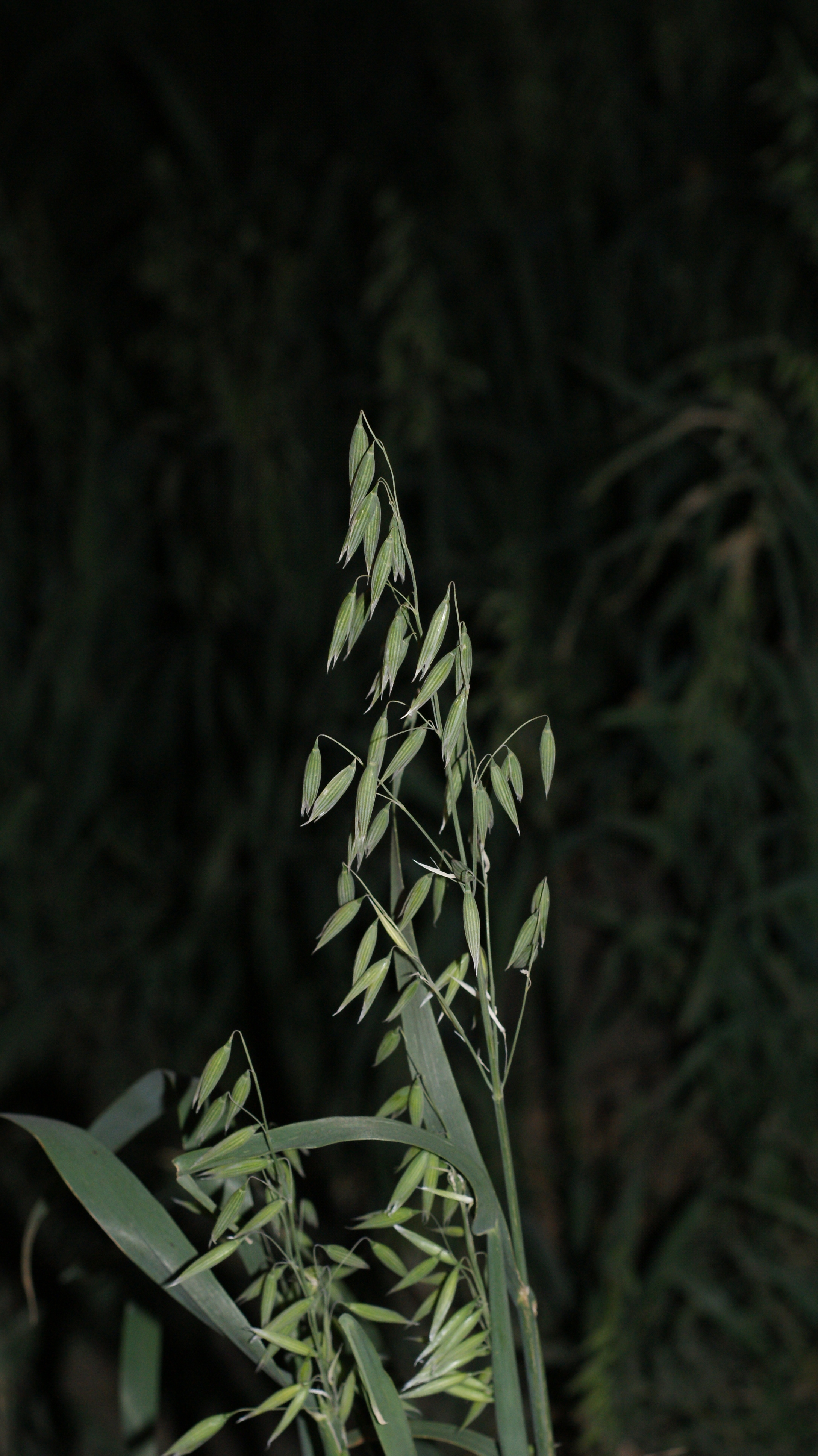
Like other cereals, the oat grain has a hard, inedible outer husk that must be removed before it can be eaten. What remains after dehusking, with the bran still on, is called the groat. The bran layer is nutritious but makes the grain tougher to chew, and it contains an enzyme that can make oats go rancid, so groats are usually steamed: this softens them for quicker cooking and stops the enzymes, giving the oats a longer shelf life.
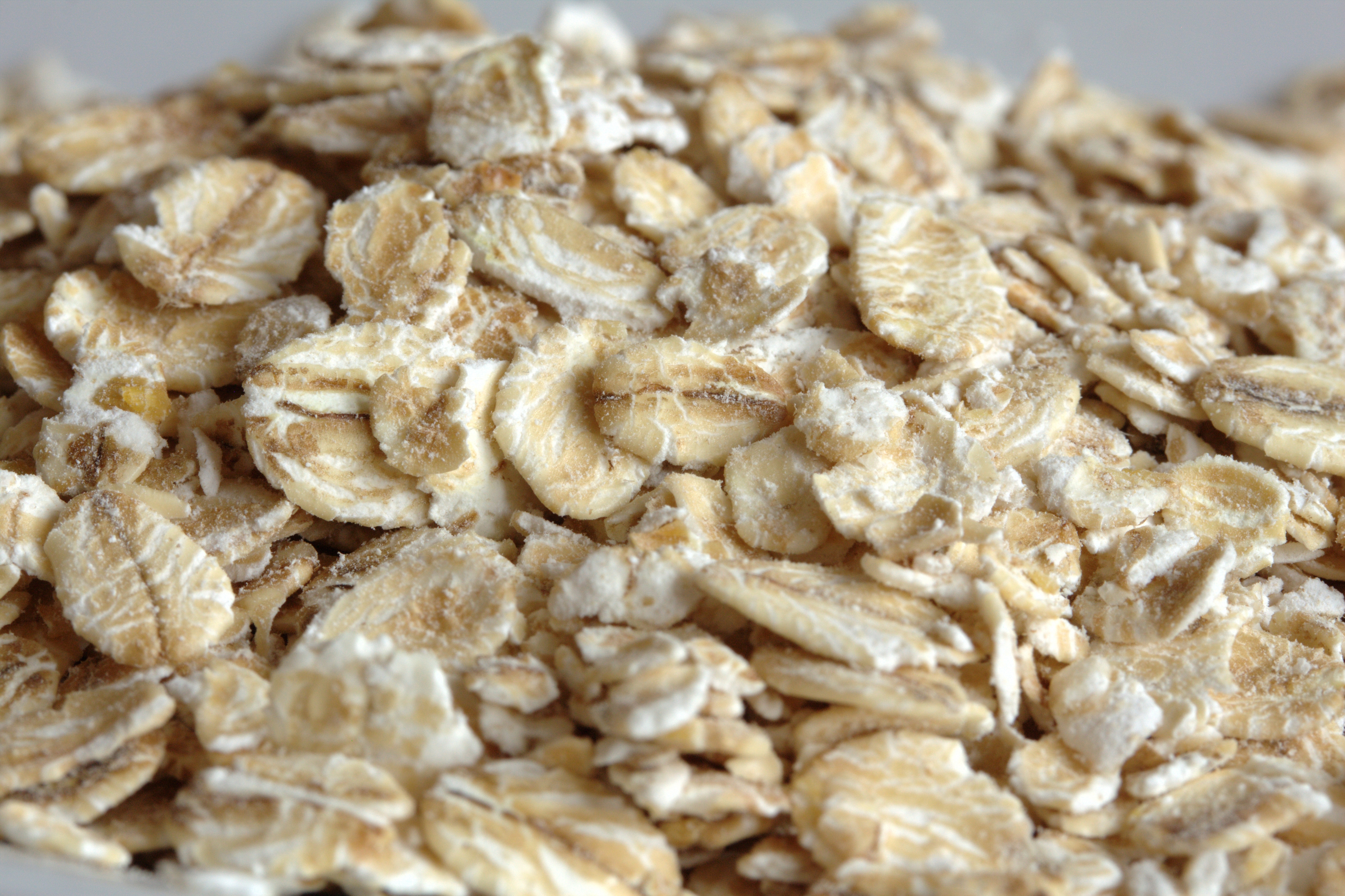
Rolled oats are made from groats that have been dehusked and steamed, pressed into flat flakes under heavy rollers and then stabilised by light toasting. They are a lightly processed whole-grain food. Thick-rolled or old-fashioned oats usually stay whole. When the oats are rolled thinner and steamed more in the factory, the flakes often break up, absorb water more easily and cook faster, and are sold as quick or instant oats. Steel-cut or pinhead oats are something else again: groats chopped by sharp blades before any steaming, which keep bits of the bran layer.
That processing explains the first step of the recipe. Rolled oats take up liquid readily, to the point that they can be eaten without further cooking after soaking for one to six hours in water or milk, depending on their shape, size and processing. In the cutlet the oats get only a short soak in a little water, and the recipe drains them before they go into the pan with the potato and vegetables, where they cook for five minutes before the mixture is shaped and fried.
Oat fibre and beta-glucan: what the authorities say
In a 100-gram reference amount, uncooked whole oats supply 379 calories, about 10 grams of dietary fibre and 4 grams of beta-glucan, a soluble fibre, according to nutrient data based on the United States Department of Agriculture's tables. The same amount contains high levels of two B vitamins, thiamine and pantothenic acid, and of the minerals manganese and phosphorus.
Beta-glucan is the reason oats carry one of the best-known health claims in food labelling. The United States Food and Drug Administration (FDA) authorised the claim in January 1997, and it stands in Title 21 of the Code of Federal Regulations, section 101.81. It lets a food state that soluble fibre from whole oats, as part of a diet low in saturated fat and cholesterol, may reduce the risk of heart disease. The claim is tied to a daily intake of 3 grams or more of beta-glucan soluble fibre from whole oats or barley, or both, and a food that carries it must provide at least 0.75 grams of that soluble fibre per serving.
The regulation also sets out which oat products count. Oat bran must contain at least 5.5 per cent beta-glucan and 16 per cent total dietary fibre on a dry-weight basis. Rolled oats and whole oat flour must contain at least 4 per cent beta-glucan and at least 10 per cent total dietary fibre. A food making the claim must also meet the FDA's definitions of low saturated fat and low cholesterol.
The evidence behind the claim was reviewed in a meta-analysis of 28 randomised controlled trials, published in the American Journal of Clinical Nutrition in December 2014 by researchers at Lancaster University, the University of Wollongong, Agriculture and Agri-Food Canada and the University of Toronto. It found that 3 grams or more of oat beta-glucan a day lowered LDL cholesterol by 0.25 millimoles per litre and total cholesterol by 0.30 millimoles per litre compared with control diets, without changing HDL cholesterol or triglycerides. The authors noted that claims of this kind, approved by food standards agencies around the world, rest on a diet containing at least 3 grams of oat beta-glucan a day.
These findings concern oats within a whole diet that is low in saturated fat; they are not a finding about any one dish, and frying in oil does not form part of them. Readers with high cholesterol, diabetes or heart disease should ask a doctor or a registered dietitian how oats and fried snacks fit their own diet.
The vegetables: potato, carrot, capsicum and chilli
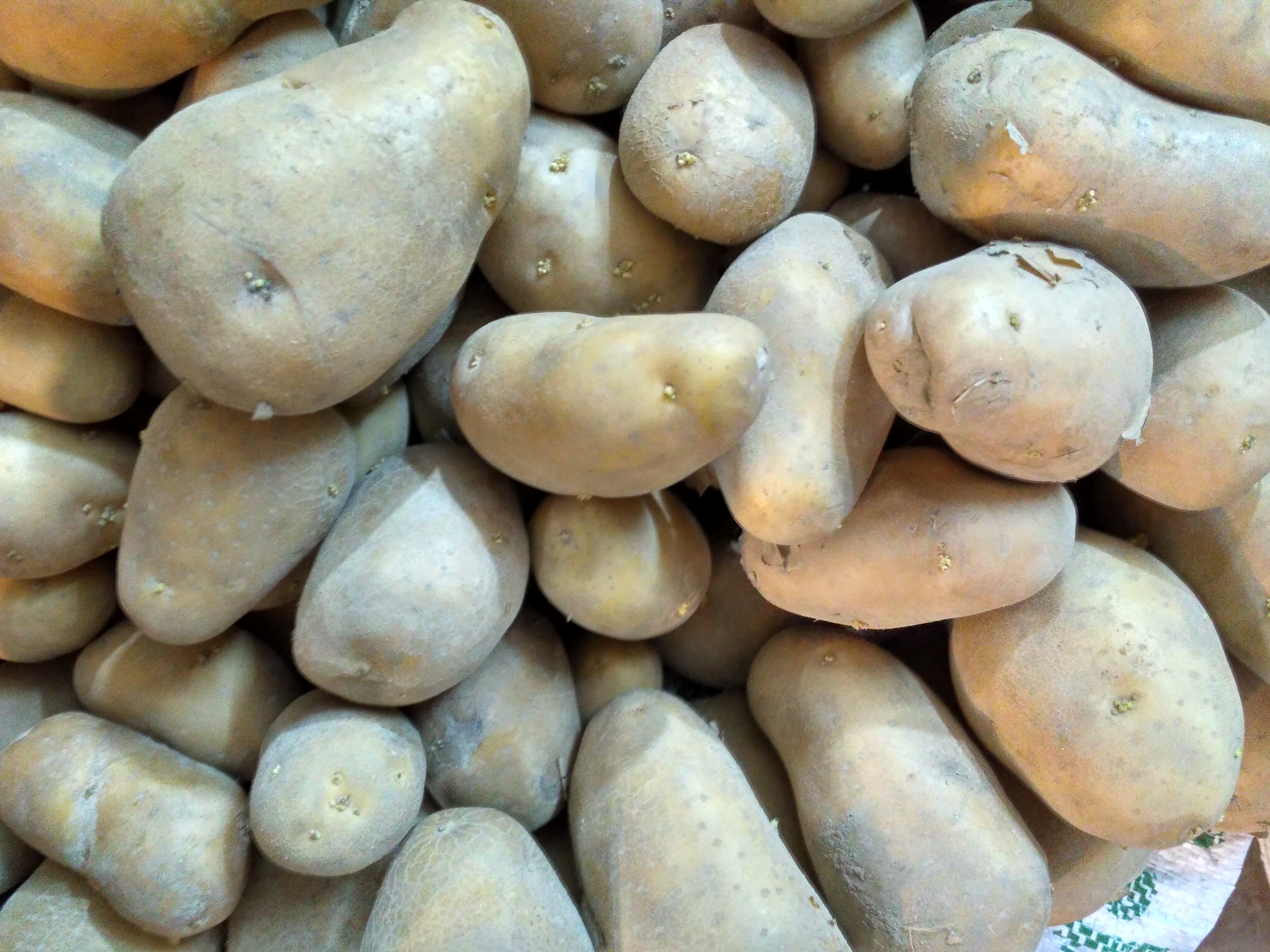
The base of the cutlet is the potato, Solanum tuberosum of the family Solanaceae, which Banglapedia describes as now one of the staple foods of Bangladesh. Spanish explorers are believed to have taken it from Peru to Spain in the 16th century, and Portuguese navigators are thought to have first brought it to India at the beginning of the 17th century; its early cultivation in the subcontinent was in the areas around Calcutta. In Bangladesh it is grown in every district in winter. The first fortnight of November is the usual planting time, some farmers in the north-west plant in October for an early crop, and most varieties are harvested in February and March, so an Eid that falls in March comes at the end of the potato harvest.
Banglapedia notes that the tuber is rich in carbohydrate, mainly starch, and is a good source of protein, vitamin C, the B vitamins, potassium, phosphorus and iron, with most of the minerals and protein concentrated in a thin layer beneath the skin, and the skin itself a source of fibre. MedlinePlus, the consumer health service of the U.S. National Library of Medicine, lists potatoes, particularly with the skin, among the vegetables that are good sources of potassium, a mineral the body needs for heart health, muscle function, bone health and the balance of acids and bases. Bangladesh grows some 27 local potato varieties, still kept for their taste and cooking quality despite low yields, alongside high-yielding varieties such as Cardinal, introduced from the Netherlands.
Carrot, Daucus carota, is a winter vegetable in Bangladesh, cultivated since the 16th century for its edible root, according to Banglapedia. Its seed is sown directly in the field from October to December, the roots are ready for harvest within three months, and yields range from 5 to 7 tonnes a hectare. Banglapedia describes the carrot as rich in sugar, carotene, calcium and phosphorus and lists its use in salads, soups, curries and juices. Carotene matters because beta-carotene is the most common type of provitamin A. MedlinePlus lists orange and yellow vegetables such as carrots among the richest food sources of vitamin A, and says vitamin A helps form and maintain healthy teeth, bones, soft tissue, mucous membranes and skin and promotes good eyesight, especially in low light.
Capsicum, also called bell pepper or sweet pepper, is the fruit of plants in the Grossum group of the species Capsicum annuum. Its cultivars produce red, yellow, orange, green, white and purple fruits; botanically these are berries, but in the kitchen they are used as a vegetable. Peppers are native to Mexico, Central America, the Caribbean and northern South America; pepper seeds reached Spain in 1493 and spread from there through Europe and Asia. The plant grows best in warm, moist soil at 21 to 29 degrees Celsius.
The green chilli in the recipe is a hotter relative. Banglapedia describes chilli, Capsicum frutescens of the family Solanaceae, as native to Mexico and widely grown in Bangladesh in both summer and winter, on about 66,235 hectares, with average green-chilli yields of 5 to 6 tonnes a hectare. As a winter crop it is grown mostly in Comilla, Noakhali, Faridpur, Barisal, Patuakhali and Bogra, and local varieties include Balijuri, Bona, Saita, Suryamukhi, Dhani and Patnai.
Eggs and frying: food-safety advice
The recipe uses egg twice: a little to bind the mixture and more as the coating under the breadcrumbs. The FDA advises keeping eggs refrigerated at 40 degrees Fahrenheit or below, and washing hands, utensils, equipment and work surfaces with hot, soapy water before and after they touch raw eggs or foods containing raw egg. Dishes that contain eggs should be cooked to 160 degrees Fahrenheit, checked with a food thermometer. Food containing eggs should not stay out of the refrigerator for more than two hours, or more than one hour when the temperature is above 90 degrees Fahrenheit; a large amount of a hot egg dish should be divided into shallow containers so that it cools quickly, and leftovers should be reheated thoroughly to 165 degrees Fahrenheit before serving.
These points follow the World Health Organization's Five Keys to Safer Food, published in 2006, whose core messages are: keep clean; separate raw and cooked; cook thoroughly; keep food at safe temperatures; and use safe water and raw materials. WHO says the poster carrying these messages has been translated into more than 87 languages.
The second point concerns how brown the cutlets get. Acrylamide is a chemical that can form in some foods during high-temperature cooking such as frying, roasting and baking. It forms from natural sugars and the amino acid asparagine and is found mainly in plant foods, especially potato products and foods made from grains. In laboratory studies acrylamide caused cancer in animals, at levels much higher than those found in food, and the FDA has said it is researching whether the much lower levels in food pose a risk to people. Its best advice is a healthy eating plan that emphasises fruit, vegetables and whole grains and limits saturated fat, salt and added sugar; it does not recommend cutting down on healthful whole-grain foods to reduce acrylamide.
For people who want to reduce acrylamide, the FDA notes that of the ways of cooking potatoes, frying forms the most, while boiling potatoes forms none. It advises storing potatoes outside the refrigerator, in a dark, cool place, because refrigerated potatoes can form more acrylamide when cooked; cooking cut potato products to a golden yellow rather than a brown colour; and avoiding very brown areas, which contain the most. In this recipe the potatoes are boiled before they are mashed, and only the finished cutlets are fried; going by the FDA's advice, they are best taken out of the oil when golden rather than dark brown.
Gluten, salt and who should take care
Oats are often chosen by people who avoid gluten, but the U.S. National Institute of Diabetes and Digestive and Kidney Diseases (NIDDK) says the picture is mixed for people with coeliac disease. Research suggests that most people with the disease can safely eat moderate amounts of oats, but cross-contact between oats and grains that contain gluten is common and can make oats unsafe for them, so any oats they eat should be gluten-free, and they should talk to a doctor or a registered dietitian about whether to include oats and how much. Oats also contain avenins, a family of gluten-like proteins, and a small proportion of people with coeliac disease react even to pure oats.
The breadcrumbs are a separate matter. Gluten occurs naturally in wheat and its types, in barley and in rye, and NIDDK lists breads among the foods that contain it, so breadcrumbs made from ordinary wheat bread carry gluten whatever oats are used in the mixture.
Salt in this recipe is added to taste. WHO recommends that adults take less than 2,000 milligrams of sodium a day, equivalent to less than 5 grams of salt, or about one teaspoon, and says the main health effect of diets high in sodium is raised blood pressure, which increases the risk of cardiovascular disease and kidney disease, among other conditions.
Anyone with coeliac disease, diabetes, high blood pressure, heart disease or a food allergy should ask a doctor or a registered dietitian before changing their diet or relying on any single food for a health benefit.
Photo: Biswarup Ganguly / Wikimedia Commons (CC BY 3.0)
Sources: Jagonews24, U.S. Food and Drug Administration (21 CFR 101.81; egg safety; acrylamide), American Journal of Clinical Nutrition (Whitehead and others, 2014), World Health Organization (Five Keys to Safer Food; salt reduction), U.S. National Institute of Diabetes and Digestive and Kidney Diseases, MedlinePlus (U.S. National Library of Medicine), Banglapedia, Wikipedia


Comments
(0)