
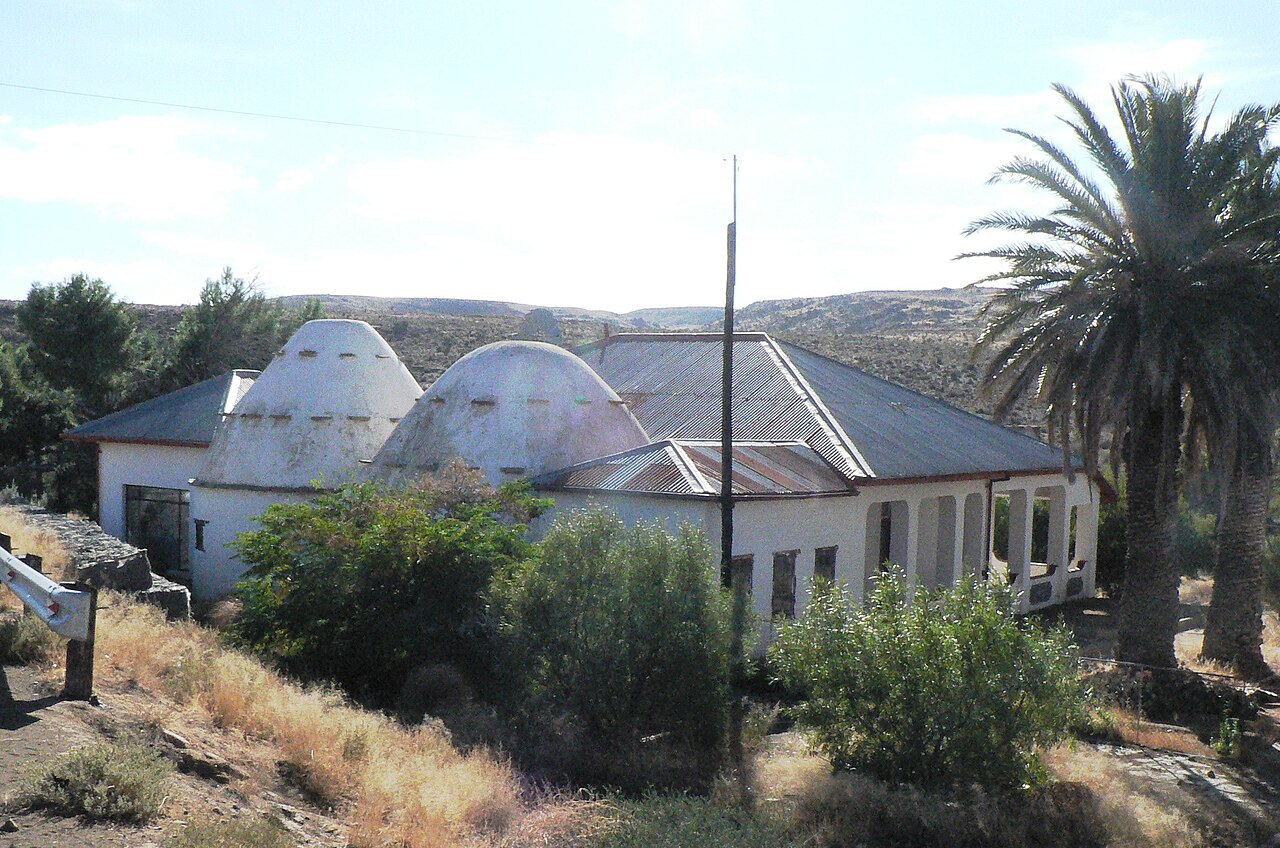
Researchers at South Africa's Agricultural Research Council have told farmers in the Northern Cape to prepare for a hard El Nino summer. The warning came at an online webinar hosted by the provincial agriculture department. The Northern Cape is one of the driest provinces in the country.
Senior researcher Johan Malherbe said El Nino usually brings drought to South Africa's summer rainfall region between November and March, and the Northern Cape usually suffers as well. Forecasts from the International Research Institute for Climate and Society, he said, show about a 50 to 60 percent chance of below-normal rain across most of the province's interior up to January next year.
Climate researcher Sarah Roffe put that in the context of the most recent drought, which she said began in 2015 and in many areas lasted about 70 months, the longest on her record. When drought is at its strongest, she said, the damage to vegetation and rangeland becomes more severe, and that leaves livestock farmers with less to fall back on.
The practical advice came from agri-meteorologist Gugulethu Zuma Netshiukhwi. She urged farmers to watch forecasts, growing seasons and early warnings before choosing crops, varieties, livestock breeds and planting dates. Putting all the seed in at once would be a poor idea this season, she said. Farmers should consider sequential or staggered planting.
Livestock farmers face harder choices, with feed and water both likely to run short. Range management is crucial in this part of the country, Netshiukhwi said. A farmer who cannot afford to maintain a large herd may be better off selling part of it than keeping every animal. She stressed that this was advice and not an instruction, and noted that animals die in heatwaves from heat stroke, dehydration, parasites and disease.
Netshiukhwi's advice rested on using the forecast before committing. Which crop, which variety and which breed suits a given area, and when to plant, should be settled with the seasonal outlook and early warnings in hand.
The report was written by Olwam Mnyande for Food for Mzansi.
Photo: Andrew Hall / Wikimedia Commons (CC BY-SA 3.0)
Source: Food for Mzansi

Comments
(0)