
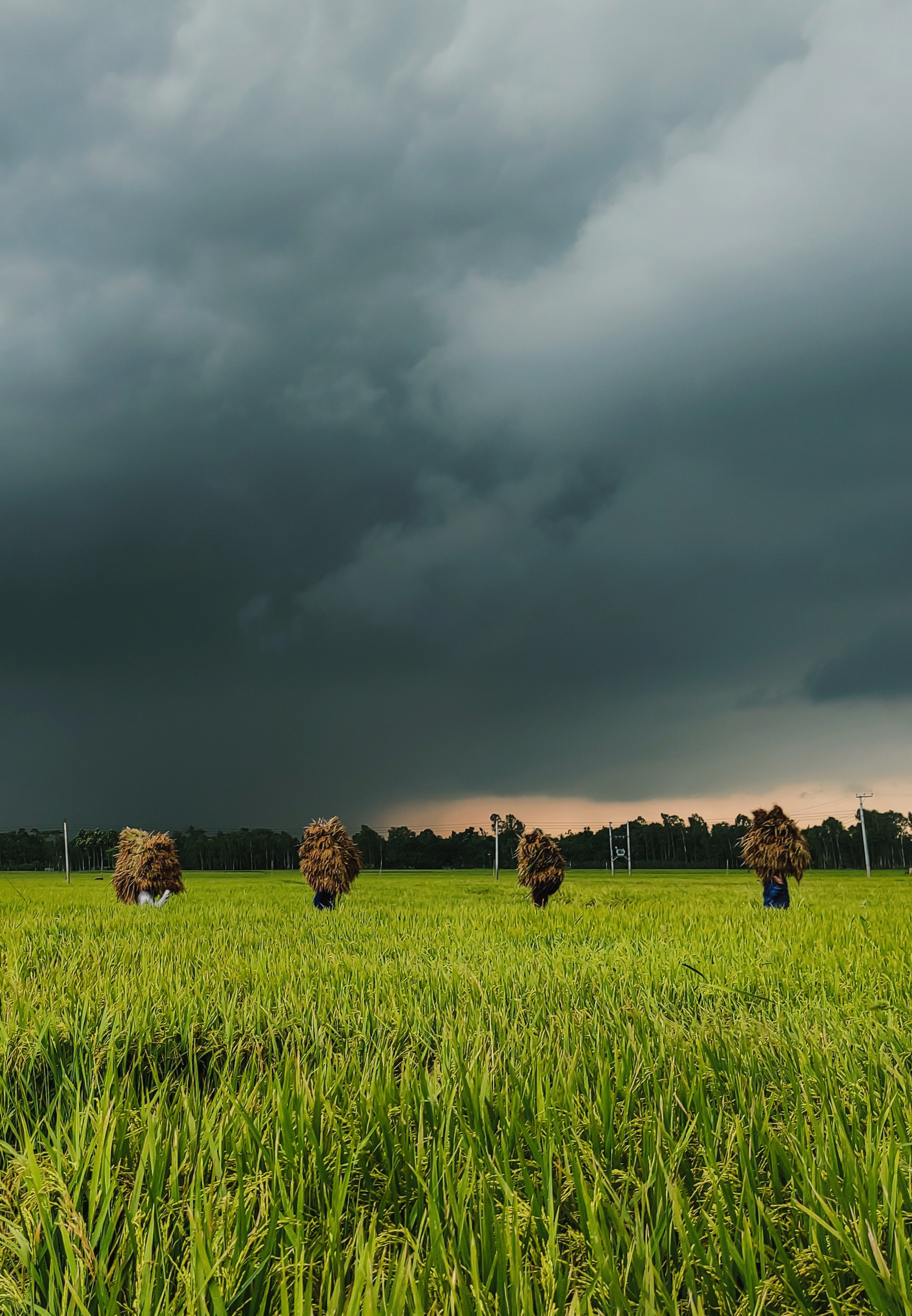
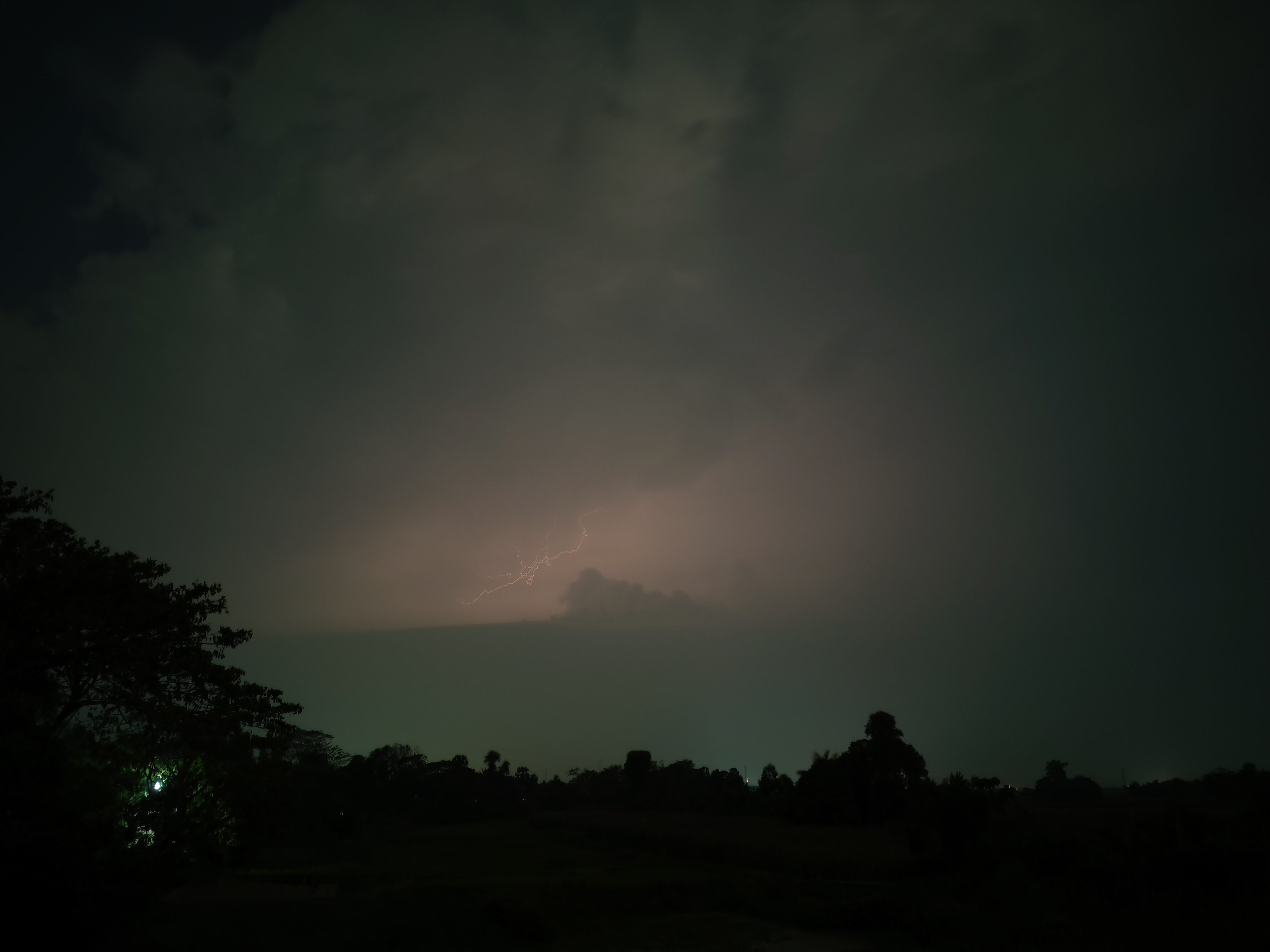
The Bangladesh Meteorological Department (BMD) issued a 48-hour nor'wester (kalbaishakhi) alert from 11am on Tuesday 28 April 2026 for all eight divisions. According to BBC Bangla's report that day, storms with lightning and winds of 60 to 80 kilometres an hour from the west or north-west could sweep Rangpur, Rajshahi, Mymensingh, Dhaka, Khulna, Barishal, Chattogram and Sylhet divisions. Despite advance warnings, lightning had by then killed about 56 people across the country.
A gentle April, thanks to more thunderstorms
Meteorologist Muhammad Abul Kalam Mallik told BBC Bangla that April normally averages 33.2 degrees Celsius, sometimes 36 to 42. In April 2026 the mercury reached 40 degrees only once, at Rajshahi on 22 April. "The cruellest month of high temperatures, April, has been quite tolerable this time," he said. He recalled that 2024 had brought 35 straight days of high temperatures, a first in 76 years; this year there was nothing like it because thunderstorms had been so frequent.
April was not free of heat, though. The Daily Star reported on 27 April that a heatwave had covered 24 districts the week before, at 35 to 40 degrees, until the storms of 26 April ended it.
Mr Mallik explained that March, April and May form the pre-monsoon season. The 38 percent of thunderstorms that Bangladesh and West Bengal get in this season are the ones known locally as kalbaishakhi; the roughly 51 percent that come from June to September are simply called thunderstorms. On average March brings five or six kalbaishakhi, April nine and May 13. By late April 2026 more than ten had already formed, with Sylhet hit hardest. He blamed a disruption in how local and global atmospheric conditions interact, and warned of more thunder clouds over Rajshahi and Khulna from Wednesday.
Nor'westers are short, local summer thunderstorms of Bangladesh, West Bengal and eastern India: dark clouds gather in the afternoon or before sunset, then bring gale-force wind and torrential rain, often with hail. Because they build within a few hours, BBC Bangla noted, there is still no scientific way to say in advance where one will strike or for how long.
Heavy rain, landslide risk and port signals
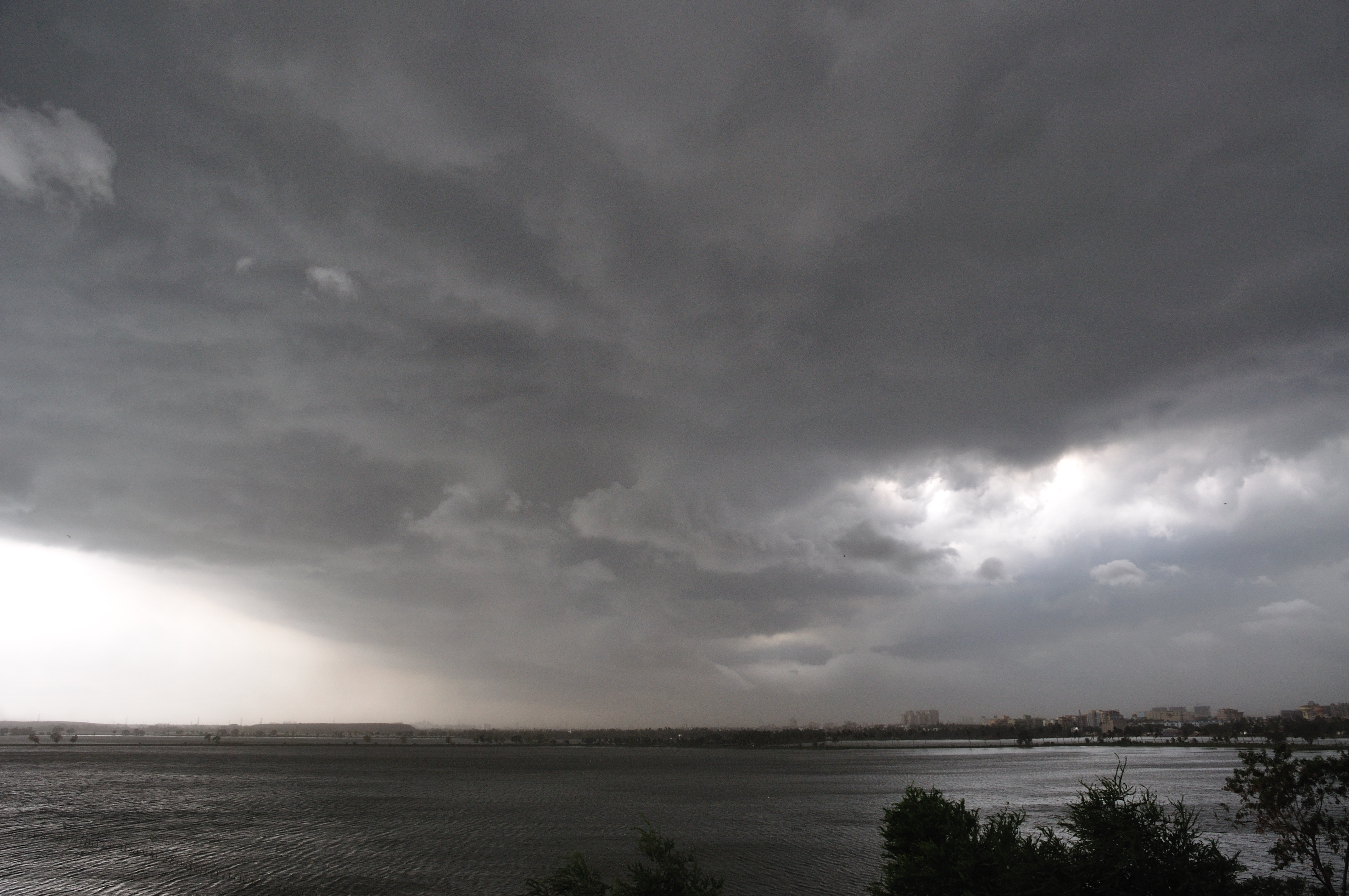
The same morning the BMD issued a 96-hour heavy-rain warning: heavy falls of 44 to 88 millimetres in 24 hours, and very heavy falls of 88 millimetres or more, were possible in parts of all eight divisions, with temporary waterlogging and a risk of landslides in the hill areas of Chattogram division. Fishing boats and trawlers in the north Bay of Bengal were told to stay close to the coast and move with caution until further notice, and the seaports of Chattogram, Cox's Bazar, Mongla and Payra were told to hoist local cautionary signal number three.
The five-day forecast to 2 May called for moderate to very heavy rain in parts of Dhaka, Mymensingh, Chattogram, Sylhet and Barishal divisions and thundershowers with gusty winds nationwide. After that the rain was expected to ease and temperatures to rise.
A hotter May and possible low-pressure systems
Mr Mallik expected above-normal temperatures after the first week of May and into June, feeling harsher whenever humidity was high and wind light. BMD senior meteorologist Bazlur Rashid had likewise told The Daily Star that the heatwave could return in the second week of May.
May is a cyclone-prone month. Mr Mallik said one or two low-pressure areas could form in the Bay that month, one of which could deepen into a depression, a deep depression or a cyclone, though none was expected in the following ten days.
Boro harvest under threat
The outlook came at the height of the boro rice harvest. The Daily Star reported that lightning killed at least 13 people in seven districts on 18 April, five of them in Sunamganj while cutting paddy in the haors or drying grain at home, and at least 12 more in seven districts in the storms of 26 April, when hail also damaged ripe paddy in places. The Department of Agricultural Extension advised farmers to harvest their boro quickly, and the Flood Forecasting and Warning Centre issued a flash flood warning for the haor areas of Sylhet.
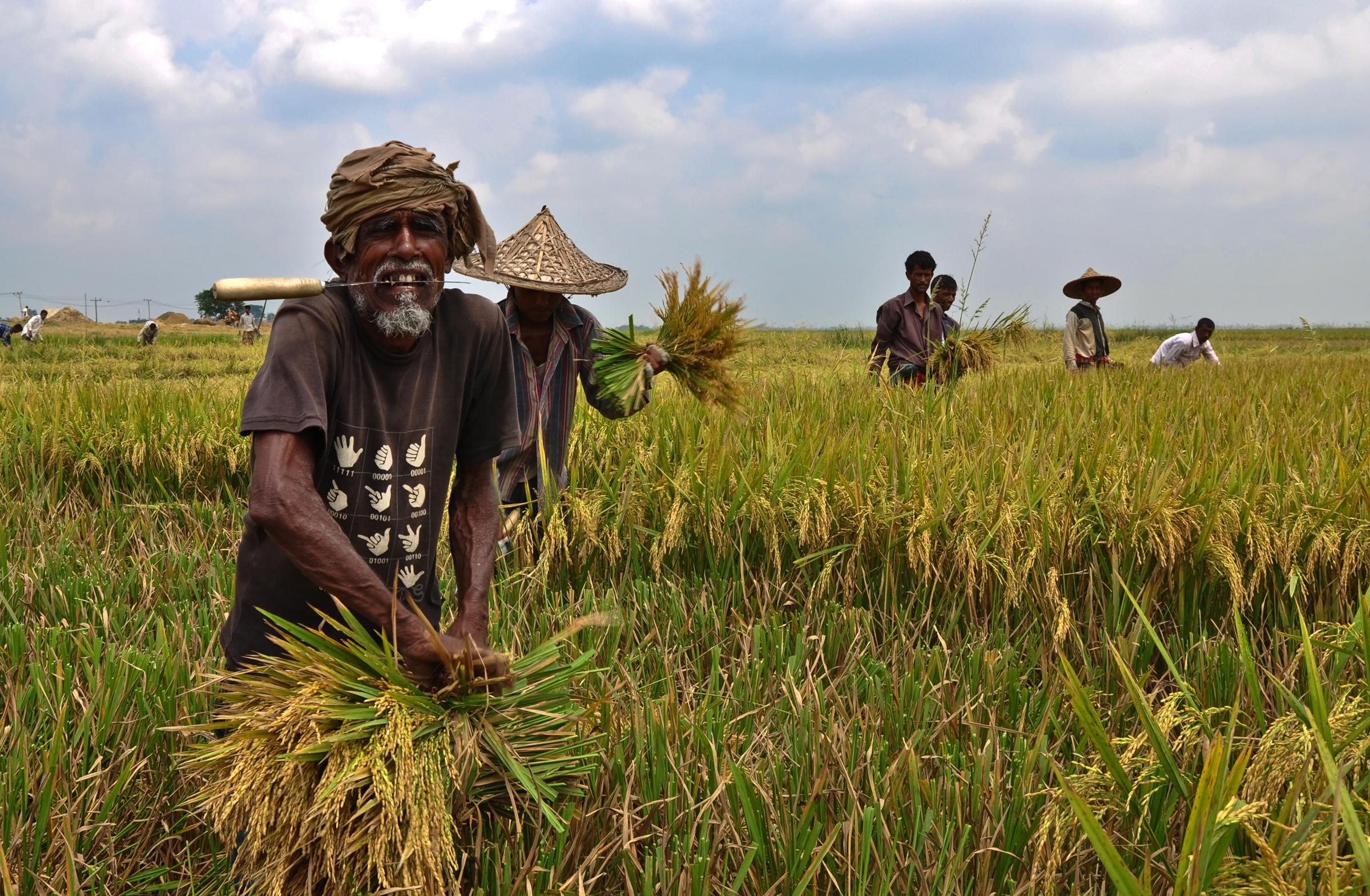
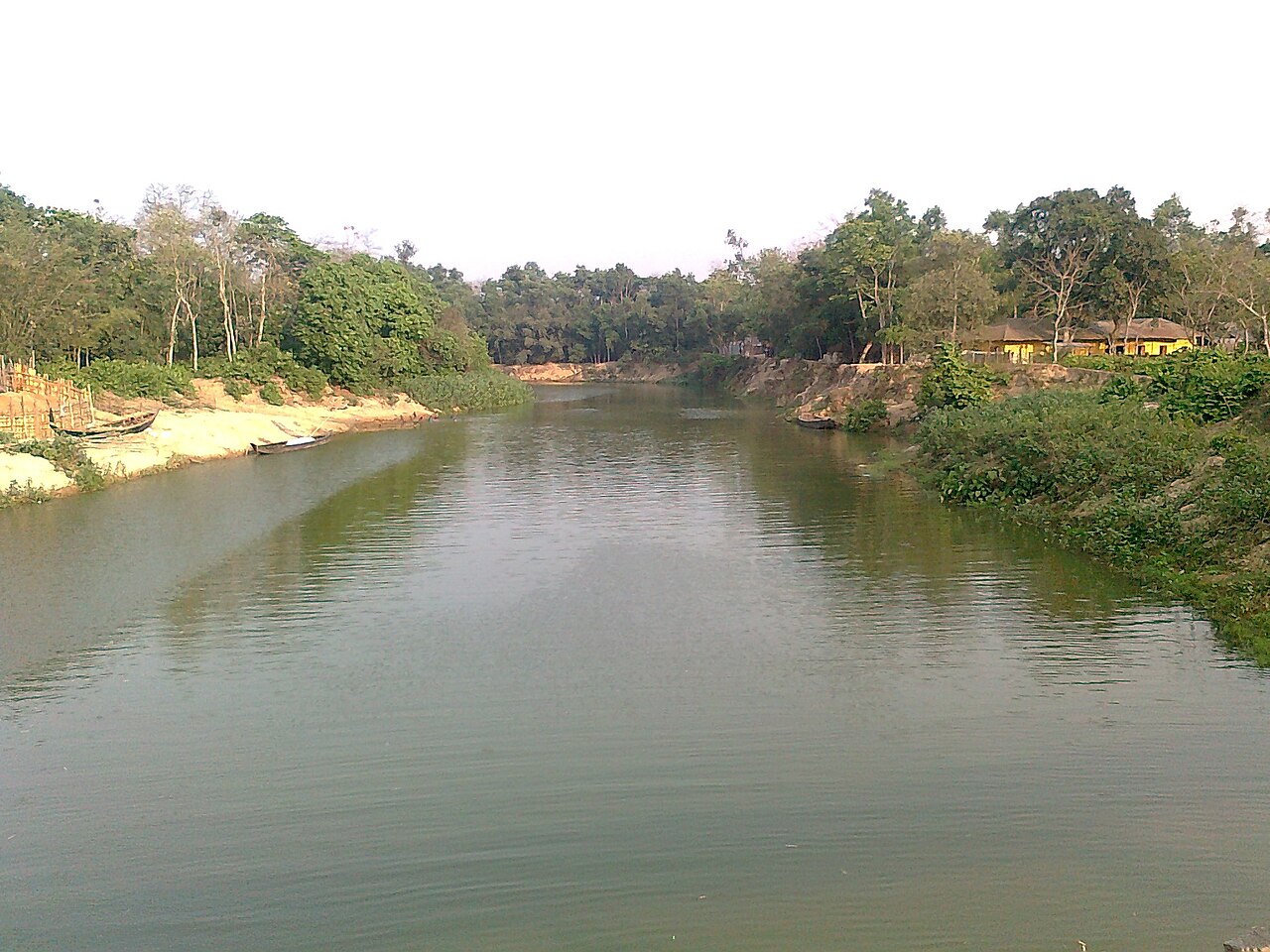
Photo: ZahidTushar / Wikimedia Commons (CC BY-SA 4.0)
Sources: BBC Bangla, The Daily Star, Wikipedia

Comments
(0)