
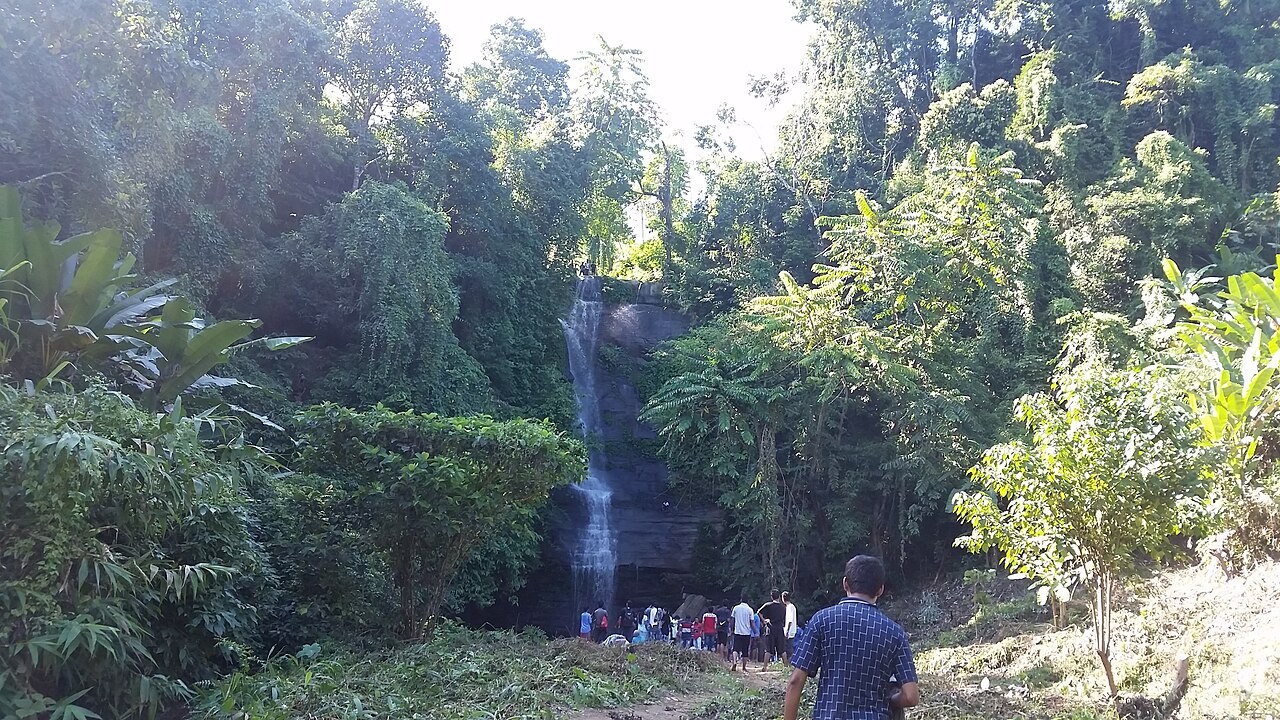
Masangtoichha, a remote gorge and stream in Notunpara, Gomoti union of Matiranga upazila in Khagrachhari, is being polluted by waste left by visitors, poet and essayist Md Belayet Hossain warns in a column in Samakal. This is a summary of his main points; the views are the writer's own.
He explains that in Kokborok, the language of the Tripura people, Masangtoichha means the secluded place between a tall hill split in two inside the forest, alive with the sound of crickets and other creatures. It resembles Debotakhum in Rowangchhari, Bandarban. Local resident Chandramohan Tripura told him it is a sacred site where worship is held every Thursday.
For two years people have been coming from far away. With no shops nearby, many bring food and some cook on the spot. But polythene, plastic bottles and other non-degradable waste are left behind, washing from the jhiri into the stream, then the canal and on to the river.
The writer argues that this water is the main source of drinking and household water for most people in the hills. Microplastics from the polythene reach people through the water or through fish from the canals. Polythene trapped in mud can wrap around tree roots and stunt or kill trees, and noise drives wildlife from a safe refuge.
Local leaders have banned visits several times, he writes, yet people keep going. In his view, streams like Masangtoichha are where rivers begin, and the destruction of hill streams is draining the life from rivers.
He calls on visitors to the many unrecognised beauty spots of the three hill districts to avoid behaviour that harms the environment, and for public awareness work on the issue.
Photo: ANKAN GHOSH DASTIDER / Wikimedia Commons (CC BY-SA 4.0)
Source: Samakal


Comments
(0)