
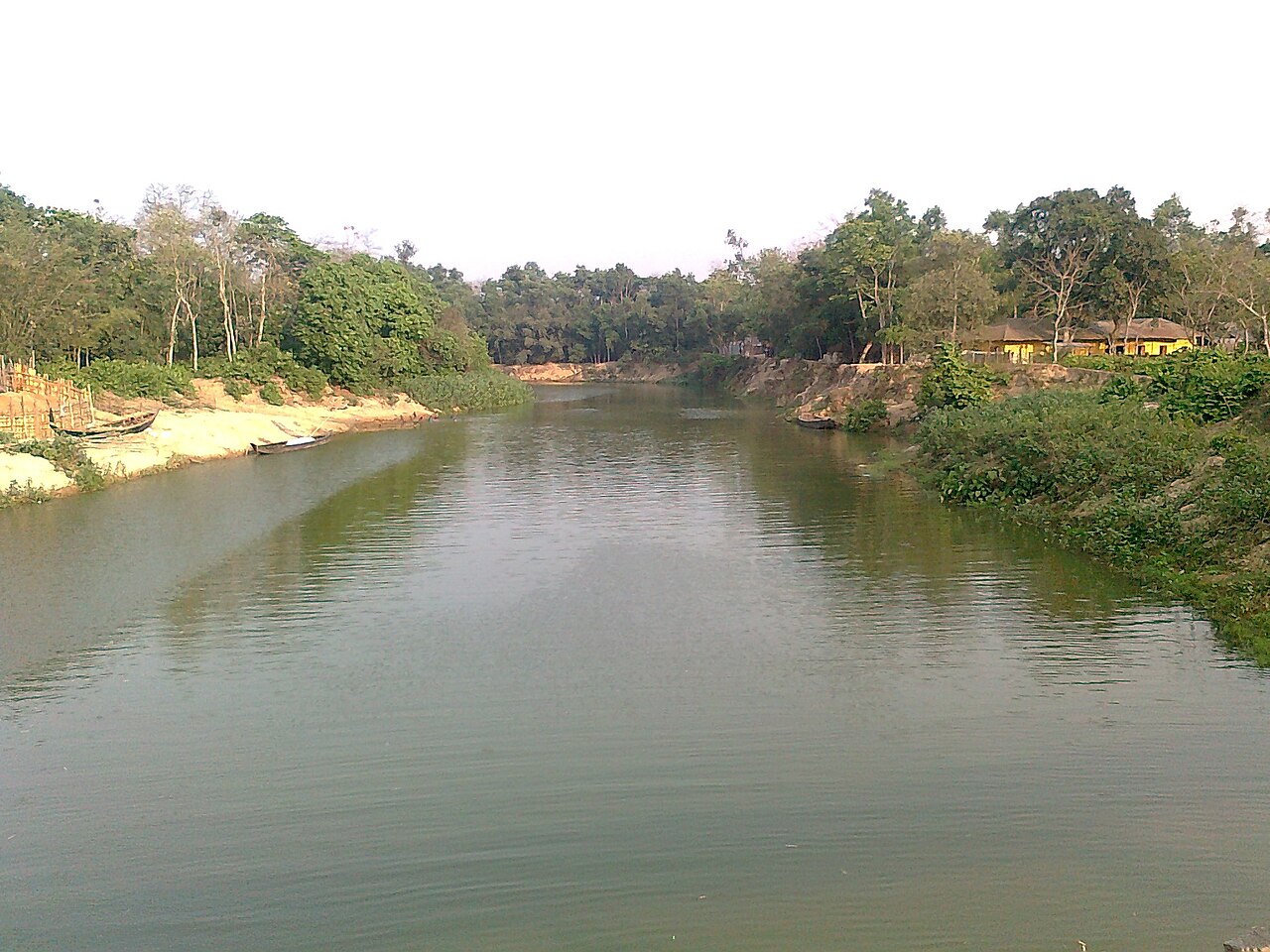
Researchers have identified 1,029 plant species along both banks of the Halda, Bangladesh's main natural breeding ground for carp. Of these, 517 are medicinal and 23 endangered, and 100 more could become endangered without conservation. The same study identified 29 sources of pollution in the river. The findings were presented on Tuesday (3 November) at a press conference in Chattogram held by the research organisation Effective Creation on Human Opinion (ECHO).
The study, supported by BSRM, ran from September 2025 to October 2026. It was led by Prof Mohammad Omar Faruk (Russel) of Chittagong University's botany department and supervised by Prof Sheikh Bakhtiar Uddin, a former chair of the department and former vice-chancellor of Meherpur University.
The plants belong to 587 genera and 152 families: 212 species of large trees, 133 shrubs, 133 climbers, 522 herbs and 9 parasitic plants, as well as 2 gymnosperms, 13 mosses, 35 ferns and 7 species of fungi. Some 765 are native and 244 introduced; among dicots the legume family (Fabaceae) dominates, and among monocots the grass and rice family (Poaceae).
Medicinal plants include kurchi, bach (sweet flag), apang, kalmegh, hijal, chhatim, akanda, hatishur, sonalu and swarnalata. Among the 23 endangered species are batna, leissa or lekua garjan, chau tal, ishwarmul, nera milati, pakha dhekia, bonipod, maillya am, panijam and chalmugra. The 100 at risk include nil bhutta, tejbahul, sidha jarul, ashok, barun and labanga lata.
Of the 29 pollution sources, 13 relate to water, 10 to air, 11 to soil, 6 to heavy metals and 3 to plastic; because one source can cause several kinds of pollution, the totals add up to more than 29. ECHO's 13 recommendations include protecting endangered plants, planting native species against erosion, regular monitoring of water quality, encouraging riverbank farmers to farm organically, treating industrial waste, stopping illegal encroachment and ending the discharge of untreated drain water.
Prof Omar Faruk said the Halda is known mainly as a natural fish breeding ground, but no full study of the plant life along its banks had been done before. Bank vegetation holds back erosion and supports the river's water and fish, so how riverside farmers farm and how pollution is controlled both matter for the Halda's fish.
Photo: Syed Nur Kamal / Wikimedia Commons (CC BY-SA 3.0)
Source: Banglanews24

Comments
(0)