
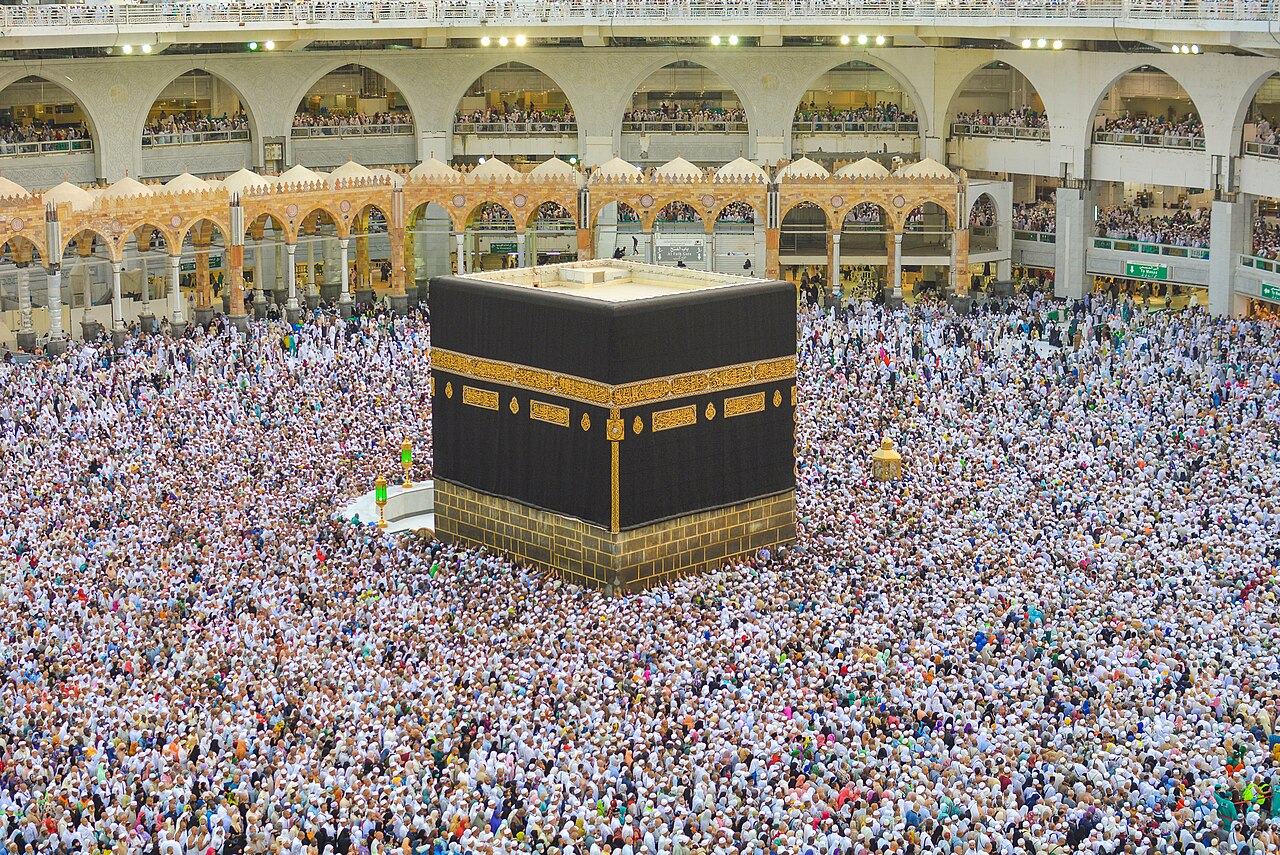
MAKKAH, Saudi Arabia: At the centre of the holy city of Makkah stands Masjid al-Haram, the holiest mosque in Islam. At its heart is the Kaaba, the sacred House toward which Muslims around the world face during their daily prayers. It is also the main centre of Hajj and Umrah.
Every year, millions of Muslims from different parts of the world travel to Makkah. Some come for Hajj, some for Umrah and others to pray and worship near the Kaaba. They come from different countries and speak different languages, but inside Masjid al-Haram they gather around the same sacred centre.
The importance of Masjid al-Haram is not based only on its size or modern architecture. Its significance is deeply connected with the history of Islam, the Kaaba, Prophet Ibrahim (Abraham), Prophet Ismail (Ishmael), Prophet Muhammad (peace be upon him), the qiblah and the central practices of Muslim worship.
The Kaaba at the Centre
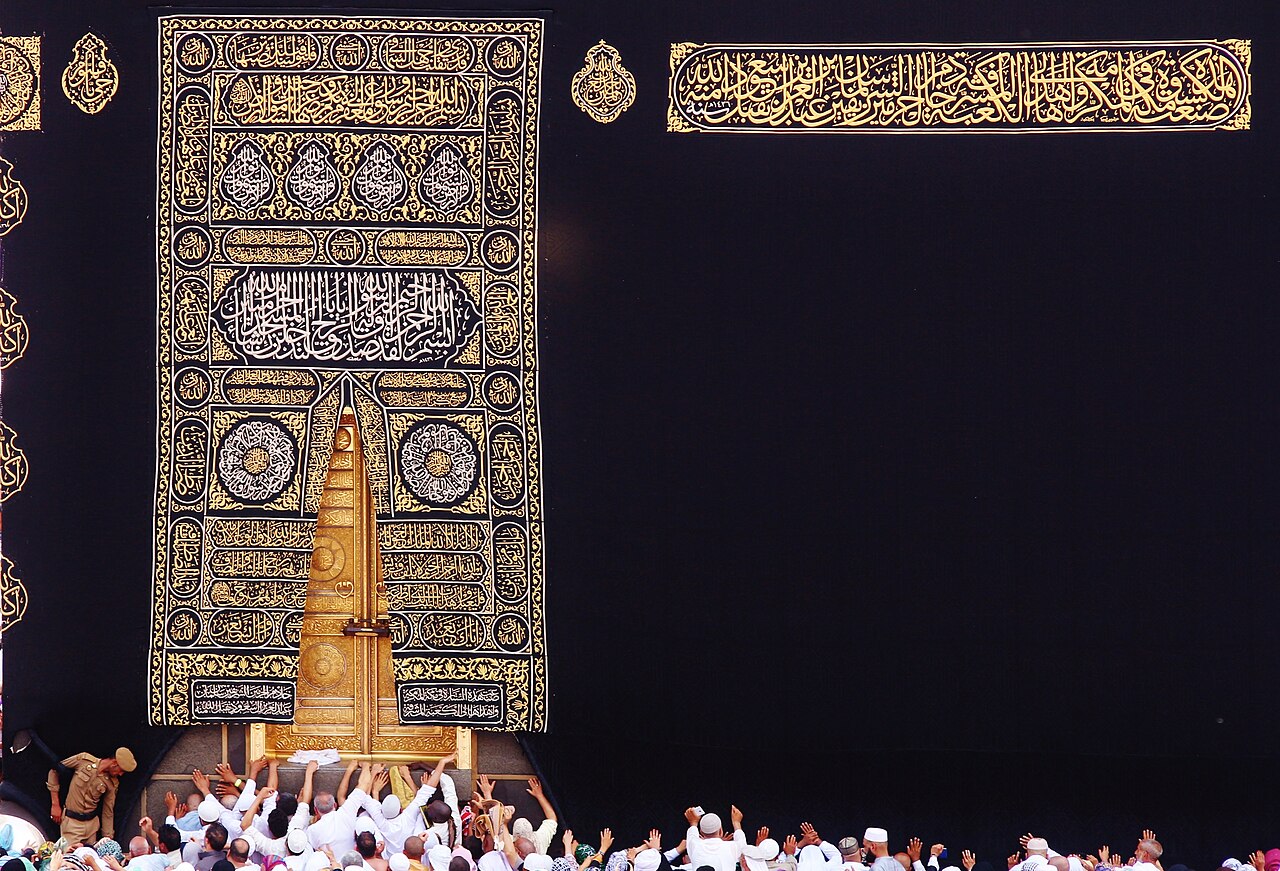
The Kaaba stands at the centre of Masjid al-Haram. Covered with the black Kiswah, the cube-shaped structure is known among Muslims as the Baytullah, the House of Allah.
The Qur'an describes the House at Bakkah as the first house established for humanity, a place of blessing and guidance.
According to Islamic tradition, Prophet Ibrahim and his son Prophet Ismail raised the foundations of the Kaaba. The Qur'an records their prayer that Allah accept their work.
The Kaaba is the focal point of the mosque. Pilgrims perform tawaf, walking around it seven times as part of Hajj and Umrah.
The History of the Qiblah
The history of the qiblah is an important part of the story of Masjid al-Haram. It is also an area where simple explanations can sometimes leave out an important part of the historical record.
During the early period in Makkah, Muslims prayed facing the Kaaba. After Prophet Muhammad migrated to Madinah, Muslims prayed facing Bayt al-Maqdis, or Jerusalem.
Sahih al-Bukhari records that after arriving in Madinah, the Prophet prayed facing Jerusalem for sixteen or seventeen months. The same report says that he wished to be directed toward the Kaaba.
The change came through revelation. Qur'an 2:144 instructs the Prophet to turn toward al-Masjid al-Haram and instructs believers wherever they are to turn toward it during prayer.
Another report in Sahih al-Bukhari describes how Muslims who received news of the change turned toward the Kaaba during prayer.
Therefore, the accurate historical account is that Muslims prayed toward Jerusalem for a period after the migration to Madinah, and then the qiblah was changed by divine command to the direction of the Kaaba in Makkah.
That direction has remained the qiblah of Muslims ever since.
The Centre of Hajj
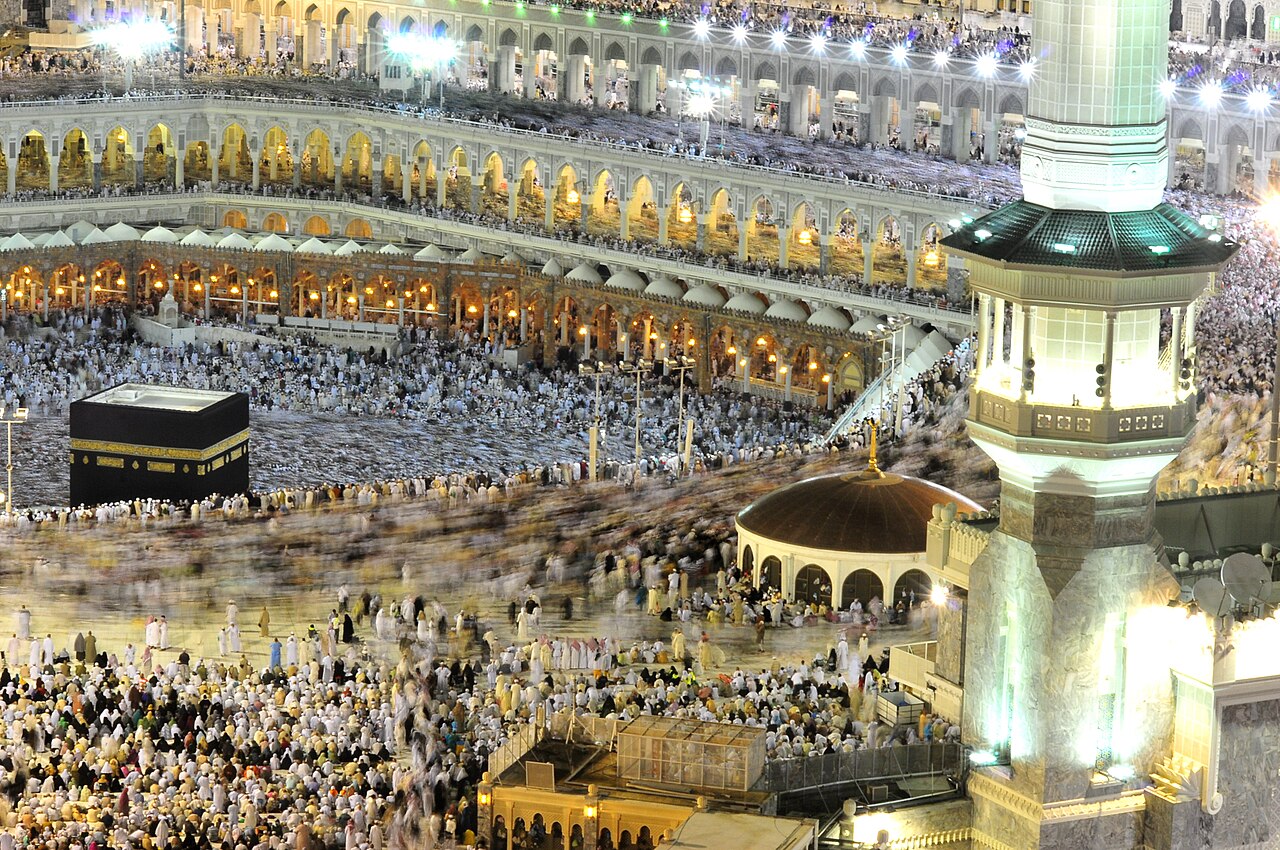
Hajj is one of the five pillars of Islam. Every Muslim who is physically and financially able is required to perform Hajj at least once in life.
Makkah is the centre of the pilgrimage, and Masjid al-Haram is at its heart.
Pilgrims perform tawaf around the Kaaba and complete other prescribed acts of worship in Makkah and the surrounding sacred locations.
Hajj is much more than a journey. It is an important act of worship and a major spiritual experience for Muslims.
People from different countries and social backgrounds gather in the same place and perform the same rituals. The simplicity and unity of the pilgrimage are among its most powerful features.
Umrah Throughout the Year
Unlike Hajj, which takes place during a specific period of the Islamic calendar, Umrah can be performed throughout the year.
As a result, Masjid al-Haram receives visitors from around the world throughout the year.
The main rituals of Umrah include tawaf around the Kaaba and Sa'i between Safa and Marwah.
The number of worshippers increases greatly during Ramadan, when Muslims travel to Makkah for Umrah, prayer, Qur'an recitation and other acts of worship.
Safa and Marwah
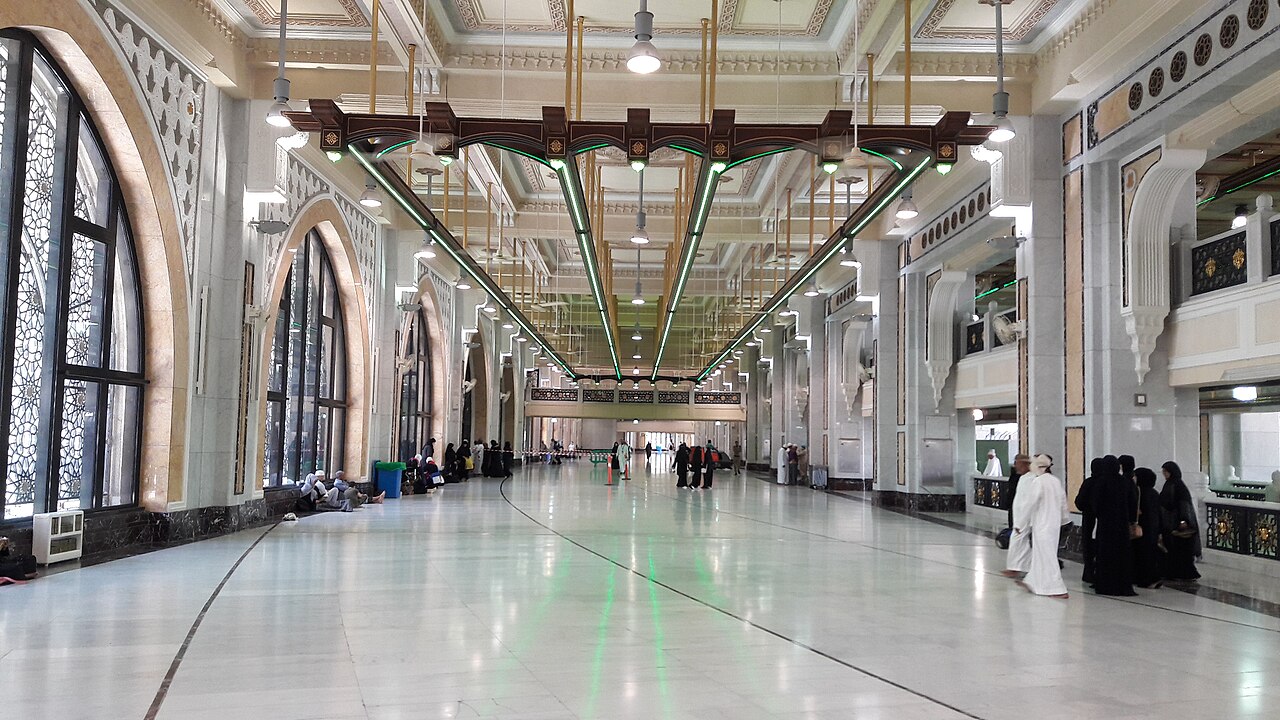
Safa and Marwah are closely connected with the rituals of Hajj and Umrah.
Pilgrims perform Sa'i, walking between the two locations.
Islamic tradition connects this ritual with Hajar, the mother of Prophet Ismail. According to the traditional account, she searched between Safa and Marwah for water for her young son.
Today, the route is part of a modern and highly organised facility designed to allow large numbers of pilgrims to complete the ritual safely.
The Story of Zamzam
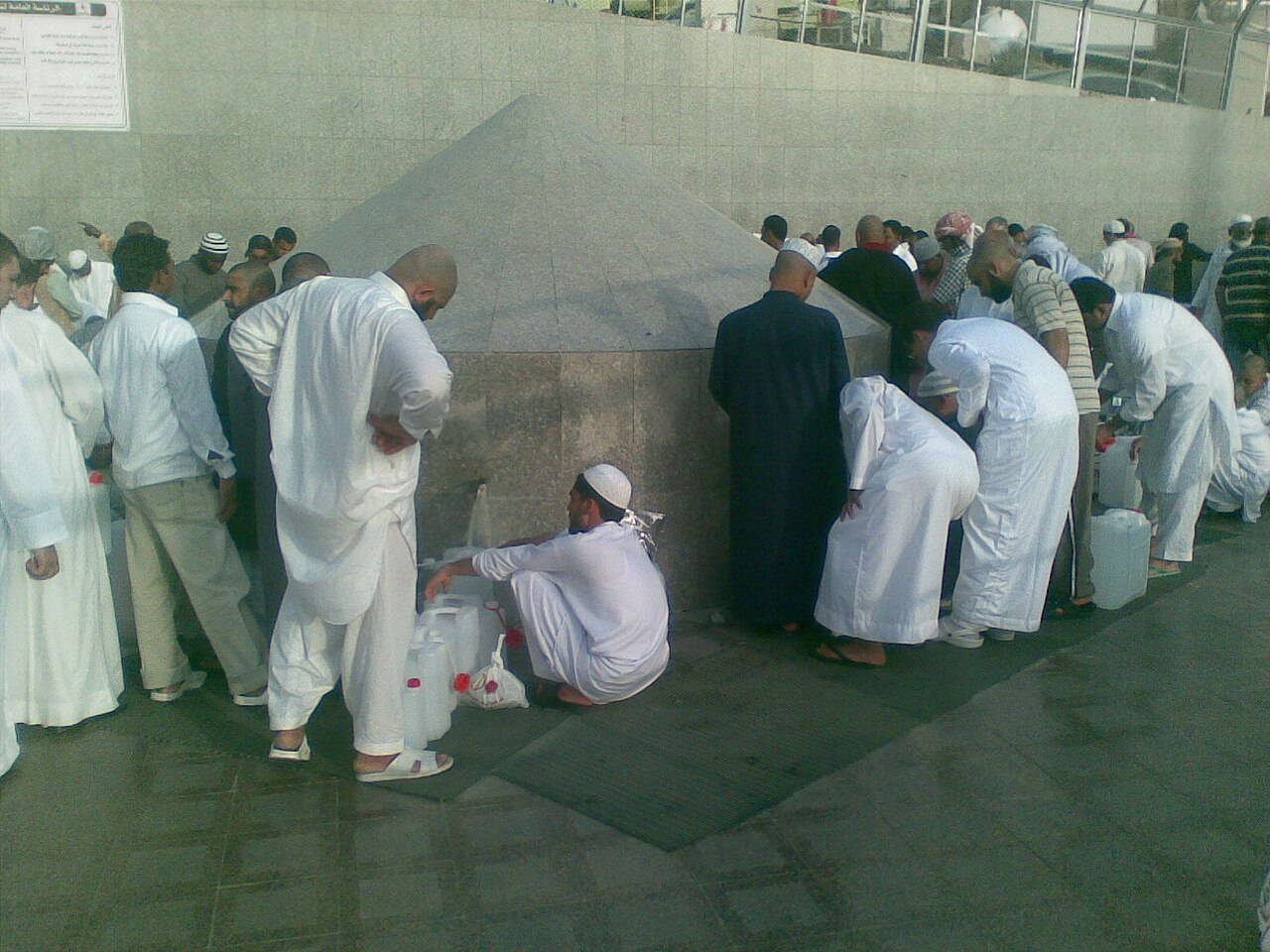
The well of Zamzam is another important part of the religious history of Makkah.
Islamic tradition connects Zamzam with Hajar and the young Prophet Ismail. The story of the emergence of the water is remembered by Muslims as an example of Allah's mercy and help.
Pilgrims drink Zamzam water during their visit to Makkah, and it has a special place in Muslim religious culture around the world.
Hajar al-Aswad
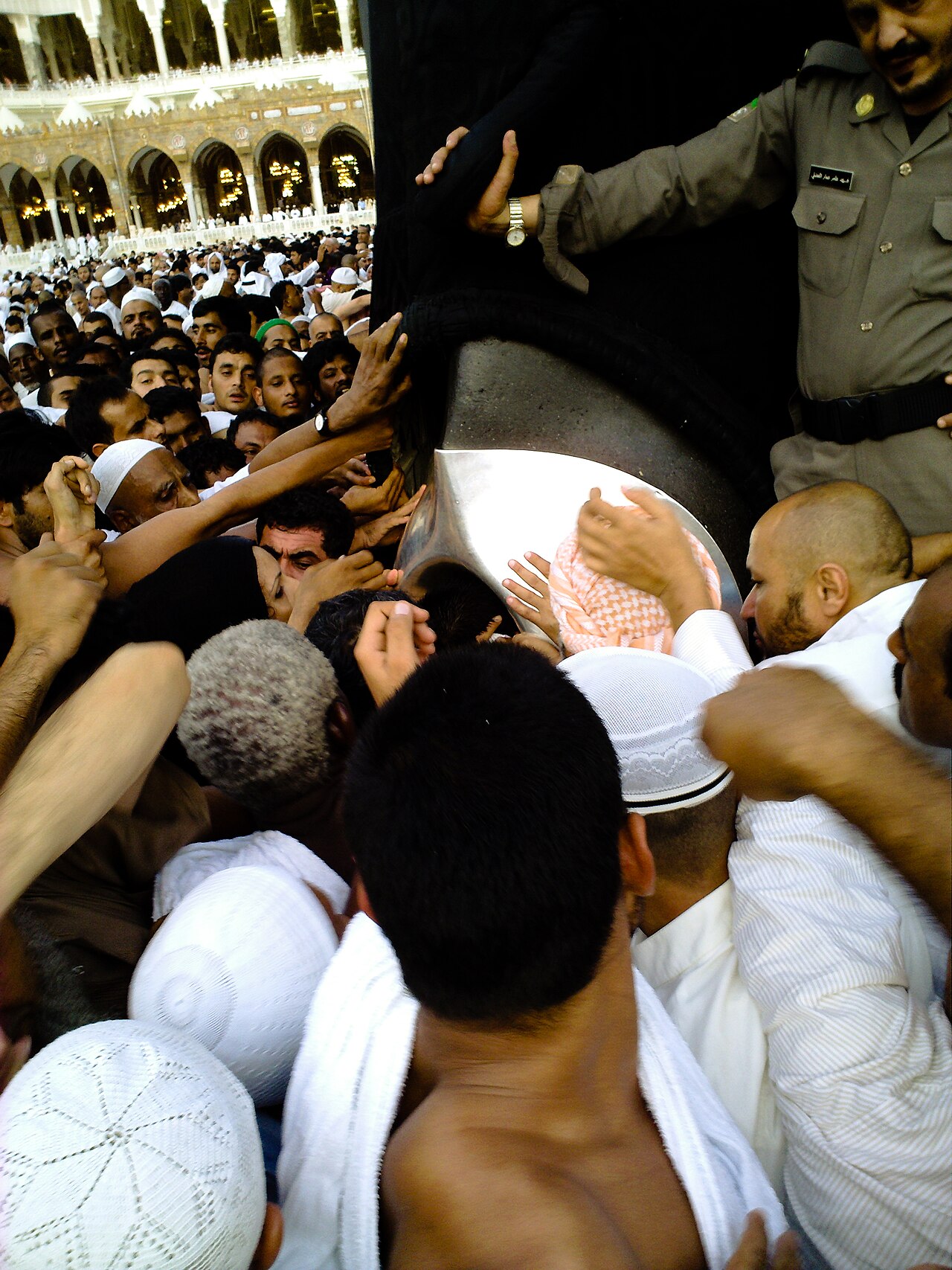
The Hajar al-Aswad, or Black Stone, is located at one corner of the Kaaba.
Its position marks the starting and ending point of tawaf. Pilgrims who can safely reach it may touch or kiss it in accordance with Islamic tradition. When the crowd is large, pilgrims may instead gesture toward it from a distance.
The Black Stone is therefore closely connected with the ritual movement around the Kaaba.
A History of Expansion
The mosque surrounding the Kaaba has expanded over many centuries.
As the number of Muslims travelling to Makkah for Hajj and Umrah increased, different rulers and governments undertook construction, renovation and expansion projects.
In the modern period, these projects have reached a very large scale.
Prayer areas, entrances, circulation routes and other facilities have been developed to serve the large number of pilgrims visiting the mosque.
The official Haramain authority describes Masjid al-Haram as the holiest place in Islam, with the Kaaba at its centre and as the main place connected with Hajj and Umrah.
A Major Modern Engineering Challenge
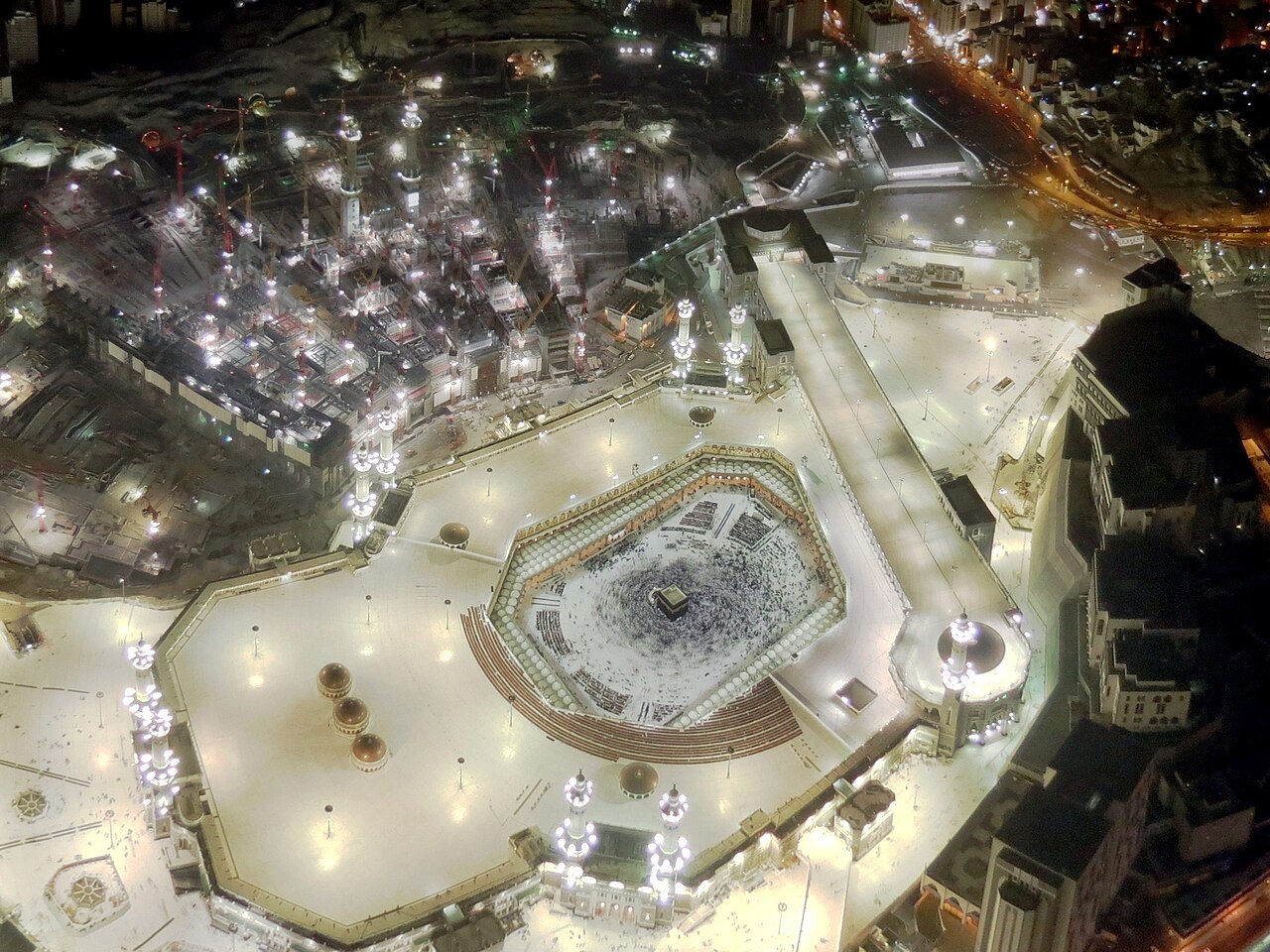
Managing Masjid al-Haram is not only a religious responsibility but also a major logistical challenge.
During Hajj, huge numbers of people arrive in Makkah within a limited period. Their movement, accommodation, worship, medical needs, security, transportation and sanitation require extensive planning.
Modern technology and infrastructure play an important role in managing these demands.
The mosque today combines large-scale construction with systems for crowd movement, communication, security, health services, cleaning and emergency response.
The goal is to allow large numbers of worshippers to perform their religious duties as safely and smoothly as possible.
A Symbol of Muslim Unity
One of the most striking features of Masjid al-Haram is the diversity of the people who gather there.
Visitors may come from Asia, Africa, Europe, the Middle East, North America, South America and many other parts of the world.
They speak different languages and come from different cultures.
Yet when they stand for prayer, they face the same qiblah.
During Hajj, this unity becomes especially visible. People from different nations gather in one sacred place and perform the same acts of worship.
For many Muslims, this is one of the most powerful expressions of the unity of the Muslim community.
More Than an Architectural Landmark
Many mosques around the world are famous for their architecture, history, beauty or size. Masjid al-Haram is remarkable in all these respects.
But its importance cannot be measured by architecture alone.
The Kaaba stands at its centre. It is the direction faced by Muslims during prayer. It is the central sanctuary for Hajj and Umrah. Its history is closely connected with Prophet Ibrahim, Prophet Ismail and Prophet Muhammad.
For this reason, describing Masjid al-Haram simply as one of the world's largest or most famous mosques does not explain its true importance.
A Living Centre of Worship
Many historic religious buildings are now mainly visited as heritage sites or monuments.
Masjid al-Haram is different.
It remains a living centre of worship.
Daily prayers take place there. Umrah is performed throughout the year. During Hajj, Muslims from across the world gather in Makkah for one of the most important acts of worship in Islam.
Its history is therefore not only a story of the past. The religious life of Masjid al-Haram continues every day.
Makkah and Muslims Around the World
The relationship between Makkah and Muslims extends far beyond those who are able to travel there.
A Muslim in Bangladesh, Indonesia, Pakistan, Nigeria, Turkey, the United Kingdom or the United States may be thousands of kilometres away from Makkah. Yet during every daily prayer, that person turns toward the same qiblah.
This creates a remarkable connection between Makkah and Muslim communities across the world.
For Muslims who travel to Makkah, seeing the Kaaba directly can be a deeply meaningful religious experience. For those who cannot travel, the Kaaba remains the direction toward which they turn during prayer.
Ancient Tradition and Modern Infrastructure
Perhaps one of the most remarkable aspects of Masjid al-Haram is the way ancient religious tradition exists alongside modern infrastructure.
The Kaaba is connected with a history that reaches back through Islamic tradition to Prophet Ibrahim and Prophet Ismail. Around it stands a modern mosque complex designed to serve enormous numbers of worshippers.
Modern facilities, transportation systems, cooling systems, security arrangements and crowd-management methods operate alongside centuries-old religious practices.
This combination makes Masjid al-Haram one of the world's most distinctive religious environments.
The Meaning of the Kaaba
For Muslims, the Kaaba is not an object of worship. Muslims worship Allah and face the Kaaba during prayer.
The Kaaba provides a common direction for Muslim worship.
This distinction is important when explaining its religious significance. The unity created by the qiblah is a central part of Muslim prayer, connecting individual worshippers and communities around the world.
A Place of History, Worship and Unity
Masjid al-Haram brings together several dimensions of Islamic life.
It is a place of prayer. It is the centre of Hajj and Umrah. It contains the Kaaba. It is connected with the history of Prophet Ibrahim and his family. It is also deeply connected with the life of Prophet Muhammad and the early history of Islam.
At the same time, it is a modern institution that must serve millions of visitors and worshippers.
This combination of history, faith, architecture and modern management makes Masjid al-Haram unique.
Masjid al-Haram is one of the most important religious places in the world and the holiest mosque in Islam.
At its centre stands the Kaaba, the qiblah toward which Muslims around the world turn during prayer. The mosque is also the main centre of Hajj and Umrah and is closely connected with some of the most important stories and traditions of Islam.
The history of the qiblah is especially significant. After the Prophet Muhammad arrived in Madinah, Muslims prayed toward Jerusalem for sixteen or seventeen months, according to Sahih al-Bukhari. The qiblah was then changed by divine command to the direction of al-Masjid al-Haram. Qur'an 2:144 gives the instruction to turn toward the Sacred Mosque during prayer.
Today, Masjid al-Haram continues to serve Muslims from every part of the world. People come to perform Hajj and Umrah, to pray, to recite the Qur'an and to worship.
Its importance cannot be explained simply by its size, architecture or number of visitors. Its central role in Muslim worship gives it a significance that is deeply religious and historical.
For Muslims around the world, Makkah remains a place toward which hearts turn every day. At the centre of that spiritual connection stands the Kaaba, surrounded by Masjid al-Haram—the sacred heart of the Muslim world.
Cover photo: The Kaaba at the centre of Masjid al-Haram in Makkah during the 2018 Hajj. Photo: Adli Wahid / Wikimedia Commons (CC BY-SA 4.0)
Comments
(0)