
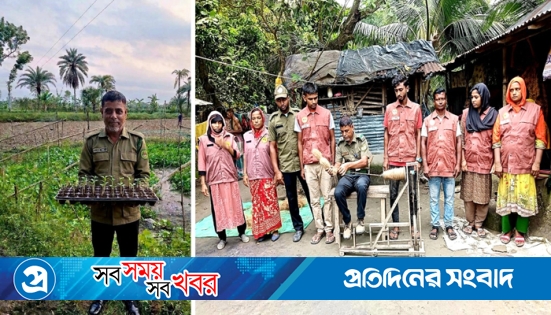
Rather than discard coconut husk as waste, Md Robiul Islam, an Ansar-VDP member from No. 15 Kultia union in Manirampur upazila, Jashore, has turned it into an input for modern agriculture. By processing husk into cocopeat — also called cocodust — he has entered the soilless seedling-production trade and created his own employment.
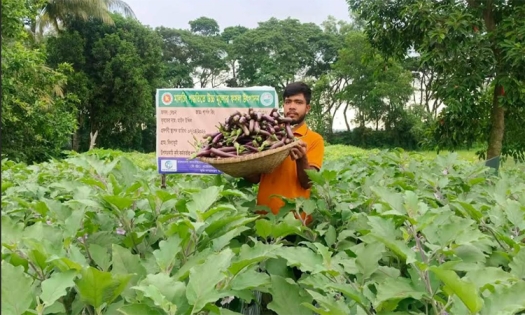
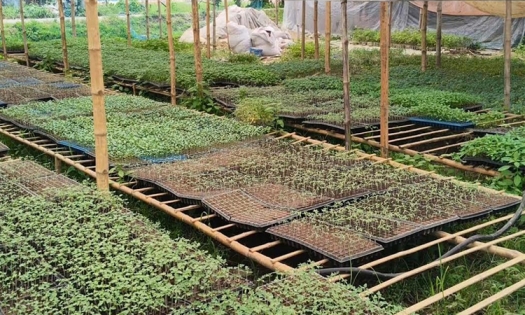
After the fibre is separated from the husk, the pith that remains is processed in several stages into cocopeat. In modern farming cocopeat serves as a growing medium, especially in pro-tray or tray systems for raising quality seedlings of tomato, chilli, brinjal, capsicum, cauliflower, cabbage, cucumber and vine vegetables. Light and water-retentive, it suits root development, and because it is soilless it reduces the risk of soil-borne disease that conventional nurseries carry.
What sets the venture apart is the full use of the husk: fibre, rope and cord by the conventional route, and cocopeat from what is left. Reusing an agricultural by-product in this way is an example of environment-friendly, sustainable enterprise, and making a modern farm input from locally abundant raw material opens the way to local jobs and entrepreneurship.
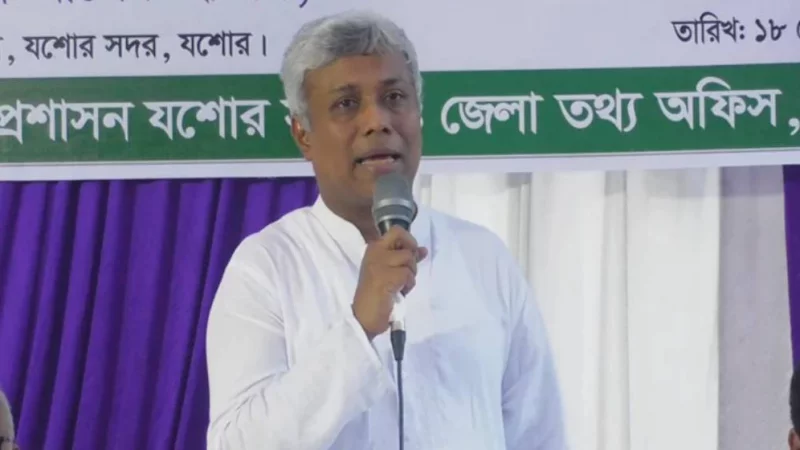
Cocopeat-based nurseries and seedling production are spreading in Bangladesh, and Robiul Islam's venture creates a new local option for modern seedling raising in Manirampur. Regarded as one of the leading examples of its kind in Jashore district, it has been visited by district and upazila officers of the Department of Agricultural Extension, who offered advice; with technical support it is expected to expand further.
Based on a Protidiner Sangbad report. Source: Protidiner Sangbad
Comments
(0)