
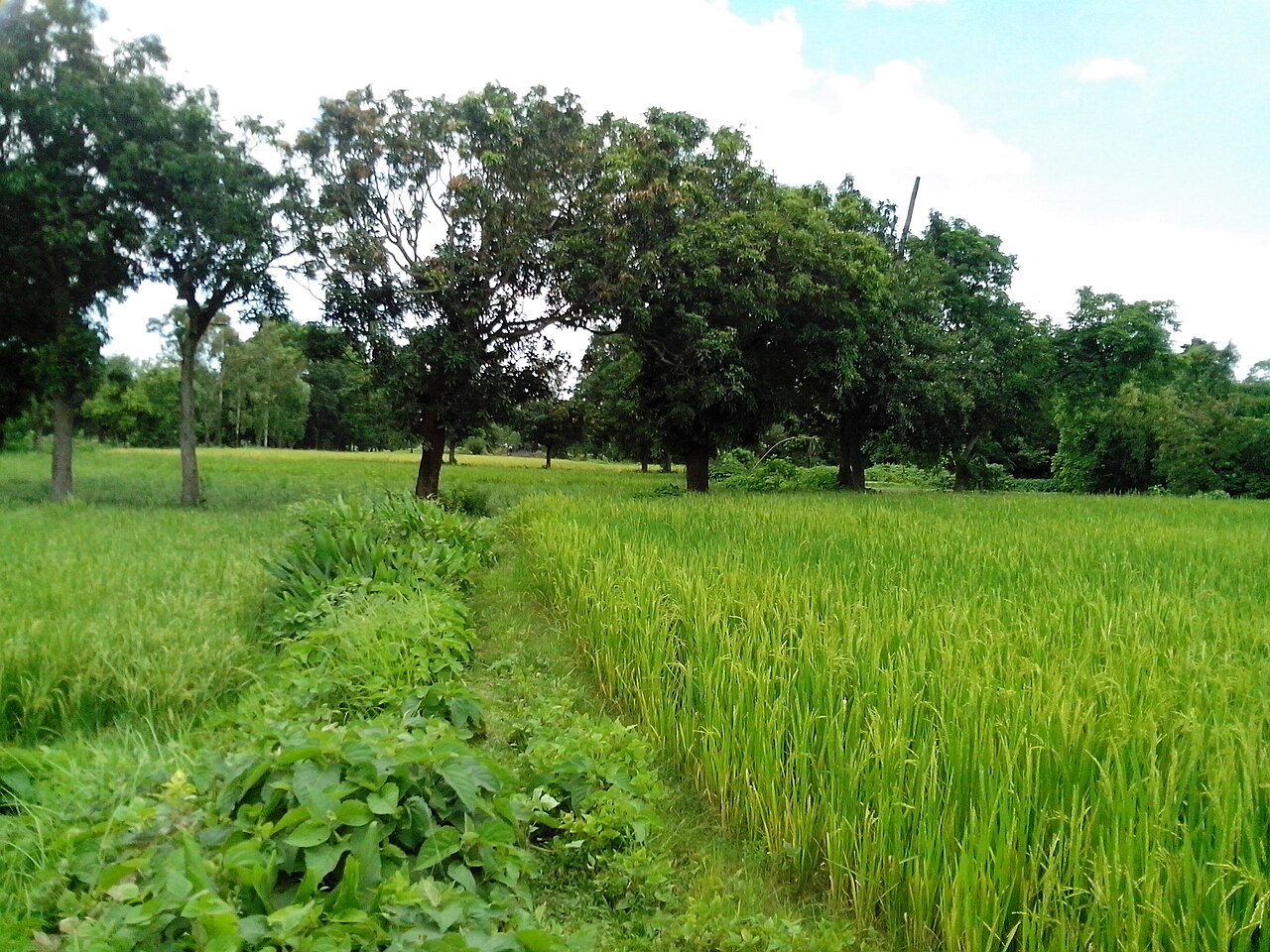
Mango is grown commercially across Bangladesh, and the crop is made in the months before the blossom. Early care of the orchard decides both the size of the harvest and the quality of the fruit.
The steps
- Inspect and clean: clear weeds and fallen leaves from under the trees; examine branches, foliage and trunk; cut out dead and diseased wood.
- Test and feed the soil: the ideal pH is 5.5–7; give each tree 15 kg of organic manure and 1 kg of lime, with urea, TSP and MoP in the right proportion.
- Water: trees need less in winter but the soil must not dry out; irrigate every 10–15 days in the dry season, and reduce water at flowering, when too much makes the flowers drop.
- Prune: remove diseased, dry and dead branches and paint the cuts with 1 per cent Bordeaux mixture; new shoots and more fruit follow.
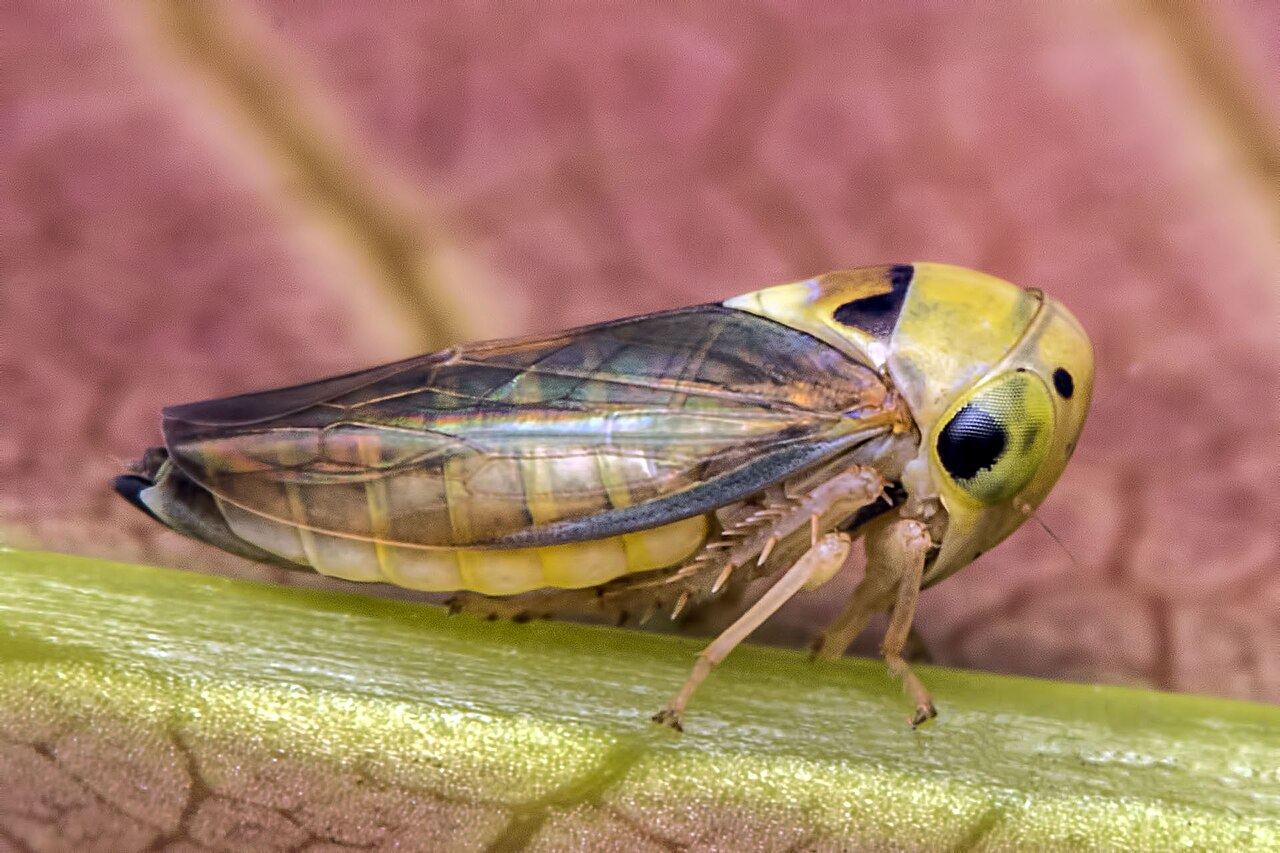
- Protect: control pests and disease before the buds open — Bordeaux mixture against powdery mildew and anthracnose, bio-pesticide or the recommended insecticide against hoppers and fruit borers.
- Mulch and weed: mulch around the base to hold moisture; clear rotting leaves.
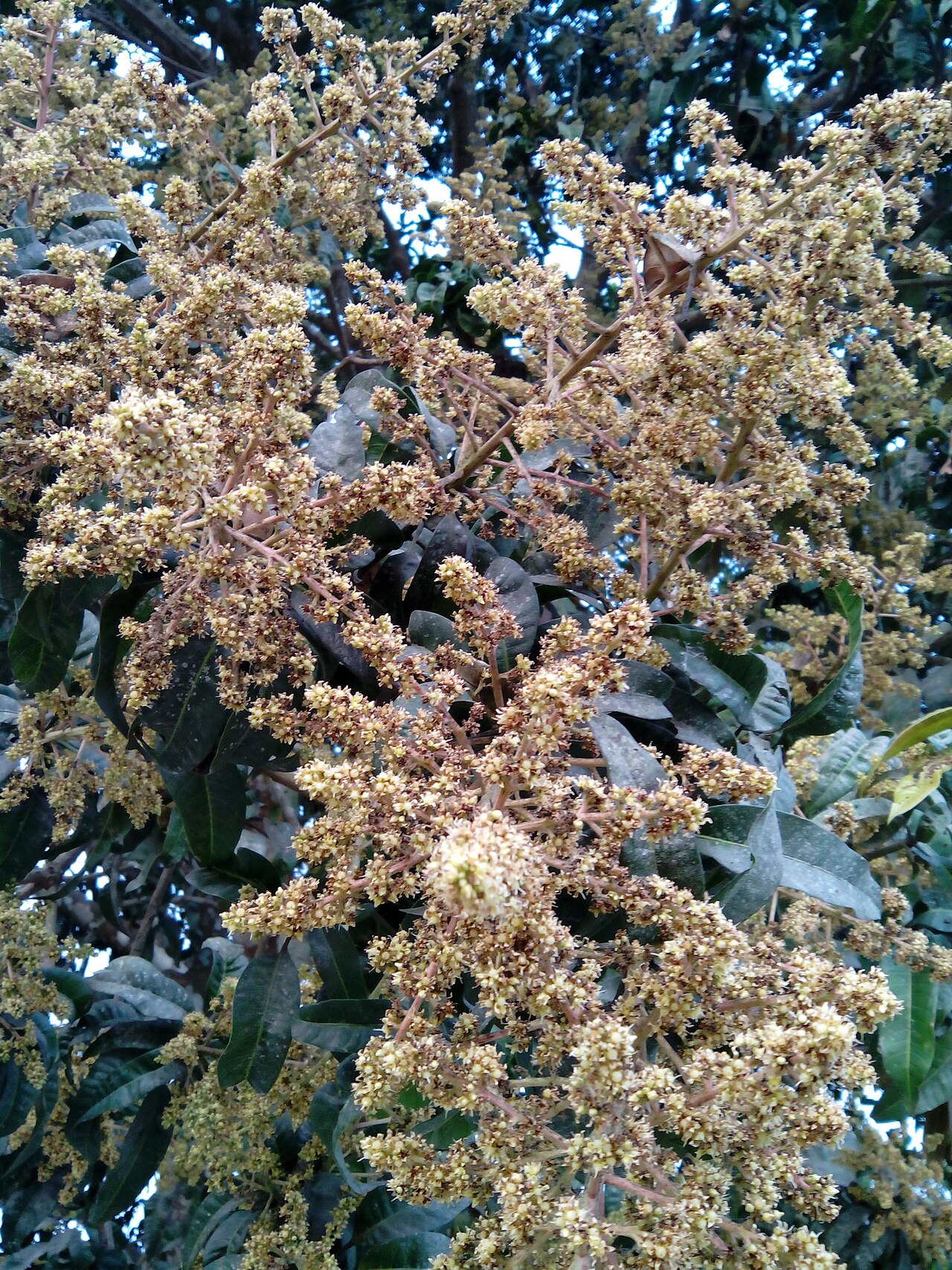
- At flowering: less nitrogen, more potassium; no excess water or fertiliser.
- Pests: pheromone traps against fruit borers.
What it gives
Less flower drop; fewer pests and diseases; better growth and a bigger crop; larger, sweeter, better-looking fruit; and an orchard that keeps producing year after year.
Photo: A mango orchard beside a paddy field — SyedAminul / Wikimedia Commons (CC BY-SA 4.0)
Comments
(0)