
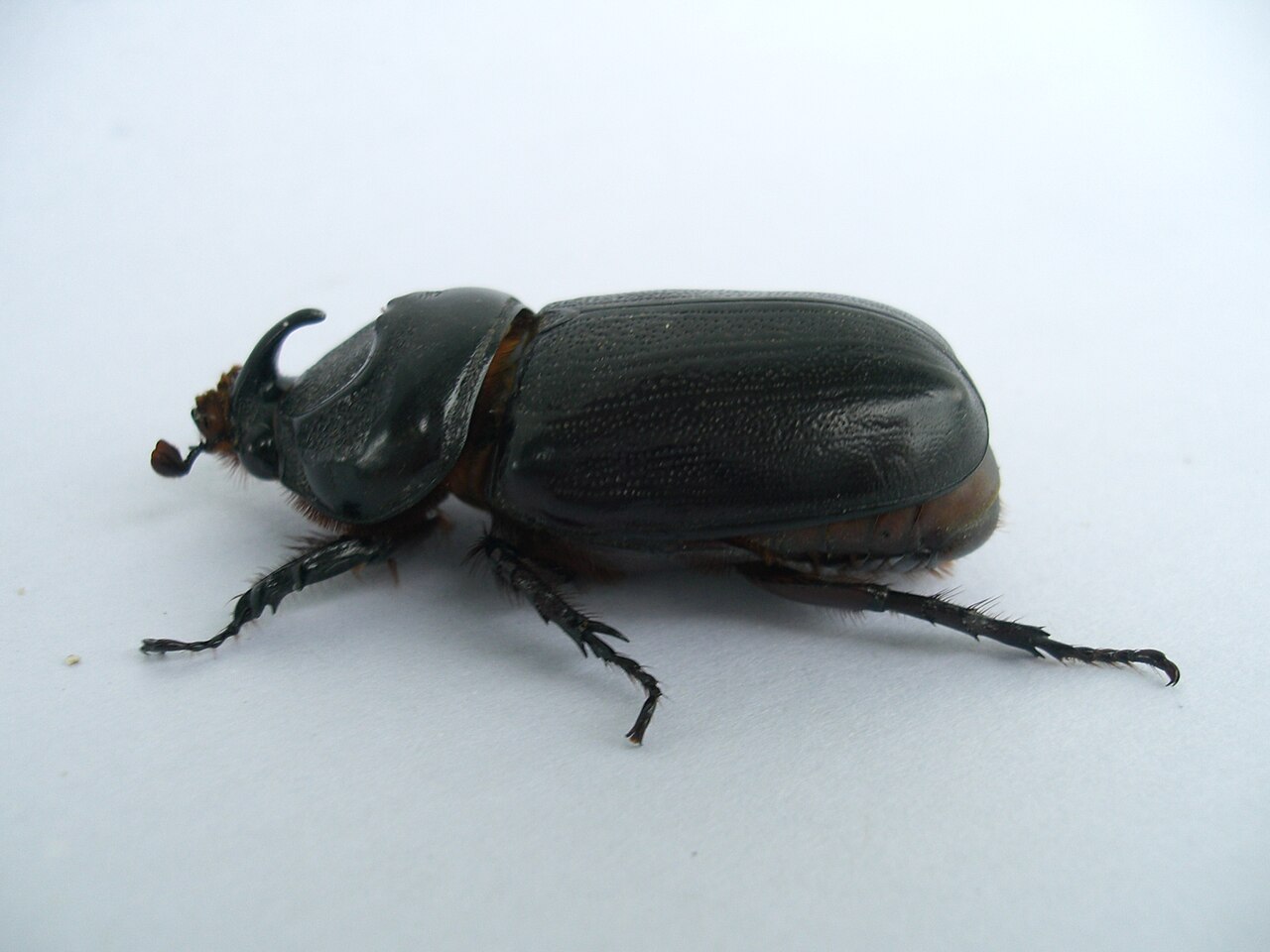
Scientists at the University of Hawaiʻi at Mānoa are using machine learning to predict where the coconut rhinoceros beetle will spread next, in a project funded with $300,000 from the Foundation for Food & Agriculture Research (FFAR), Farms.com reports. The work is led by Dr. Pascal Aigbedion-Atalor.
The beetle, originally from Southeast Asia, was first detected on Oahu in 2013 and has since reached several islands. It bores into palms and other plants and feeds on developing tissue, leaving trees with fewer healthy leaves and less fruit. It also threatens banana production, nurseries and landscaping.
The algorithms analyze the environmental conditions that favor the beetle’s survival and reproduction, looking for patterns that indicate future hotspots. The project is producing detailed risk maps to guide monitoring.
One direct use is deciding where to put pheromone traps, which attract the beetles and reveal infestations before they spread widely. Early detection lets farmers and officials act sooner and reduce losses.
“This research gives farmers a head start against a devastating introduced pest,” said Dr. Kathy Munkvold, a scientific program director at FFAR.
Researchers say preventing spread usually costs far less than controlling established infestations. Invasive pests cost US producers an estimated $137 billion a year, and the methods could later be adapted to other pests.
Photo: User:HAH / Wikimedia Commons (CC BY 2.5)
Source: Farms.com
Comments
(0)