
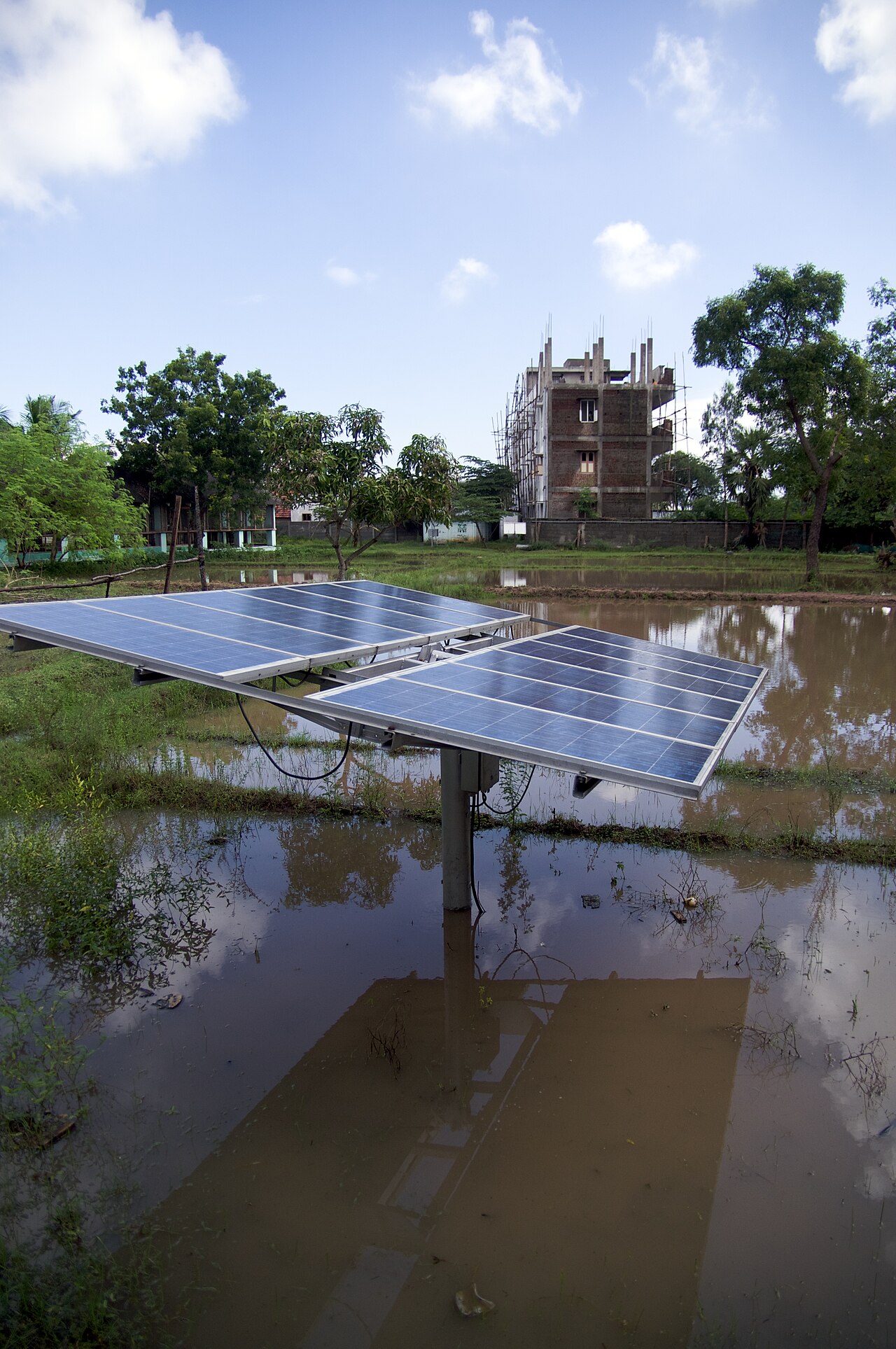
India’s agricultural sector could absorb another 116 GW of solar modules, according to a report by the Indian Solar Manufacturers Association (ISMA) launched at the Bharat RE Summit on 2 November, AgroSpectrum reports. The estimate comprises 100 GW from grid-connected pumps and 16 GW from diesel pumps, excluding those in groundwater-stressed areas.
The country has nearly 2.3 crore irrigation pumps. Under PM-KUSUM, the government’s farm solar scheme, over 28 lakh pumps had been solarised by July 2026, and the scheme added a record 7.6 GW of capacity in FY 2025-26.
The report also looks at domestic content rules under Components B and C of the scheme. By October 2026, 13.8 GW had been installed under these components, nearly two-thirds of the 20.8 GW of domestic manufacturing demand first projected.
The power bill is part of the argument. Agriculture accounts for 17.88% of India’s electricity use, and tariff subsidies billed by distribution companies doubled from Rs 1.21 lakh crore in FY20 to Rs 2.41 lakh crore in FY25. Solarising pumps and feeders, the report says, can improve power availability for farmers.
ISMA is an industry body, and its interest is in steady demand for Indian-made modules. Secretary General Amit Manohar said sustaining the momentum requires continued policy support, adherence to domestic content rules and a predictable project pipeline.
Photo: PWRDF / Wikimedia Commons (CC BY 2.0)
Source: AgroSpectrum




Comments
(0)