
Researchers at Texas A&M University’s College of Veterinary Medicine & Biomedical Sciences have received nearly $4 million from USDA’s New World Screwworm Grand Challenge for a two-year genomic study of the parasite, Farms.com reports. They believe it will be the largest genetic study of the pest ever done.
New World screwworm is a parasitic fly whose larvae infest wounds and feed on living tissue, and can kill animals not treated quickly. Cattle are among the most affected, but horses, sheep, goats, pigs, pets, wildlife and people can also be infected. “It will infest pretty much any living, warm-blooded animal,” said Dr. Guilherme Verocai, director of the Parasitology Diagnostic Laboratory.
The pest was eliminated from the United States decades ago, but outbreaks in Central America and Mexico have raised concern, and by 2026 cases had again reached the US.
Working with animal health specialists in Honduras, the team will analyze nearly the whole genetic makeup of thousands of samples collected through the outbreak there, far beyond earlier studies of a few genes. High-performance computing will process the data.
One aim is to find markers of resistance to the drugs used to prevent and treat infestations, which has been reported in parts of South America. That could lead to a molecular test for resistant populations.
The data should also show how populations from different regions are related and where outbreaks start, which could speed the response to new US cases. Stable parts of the genome may become targets for future treatments or genetic control. The database will be shared with researchers in the US and Central America.
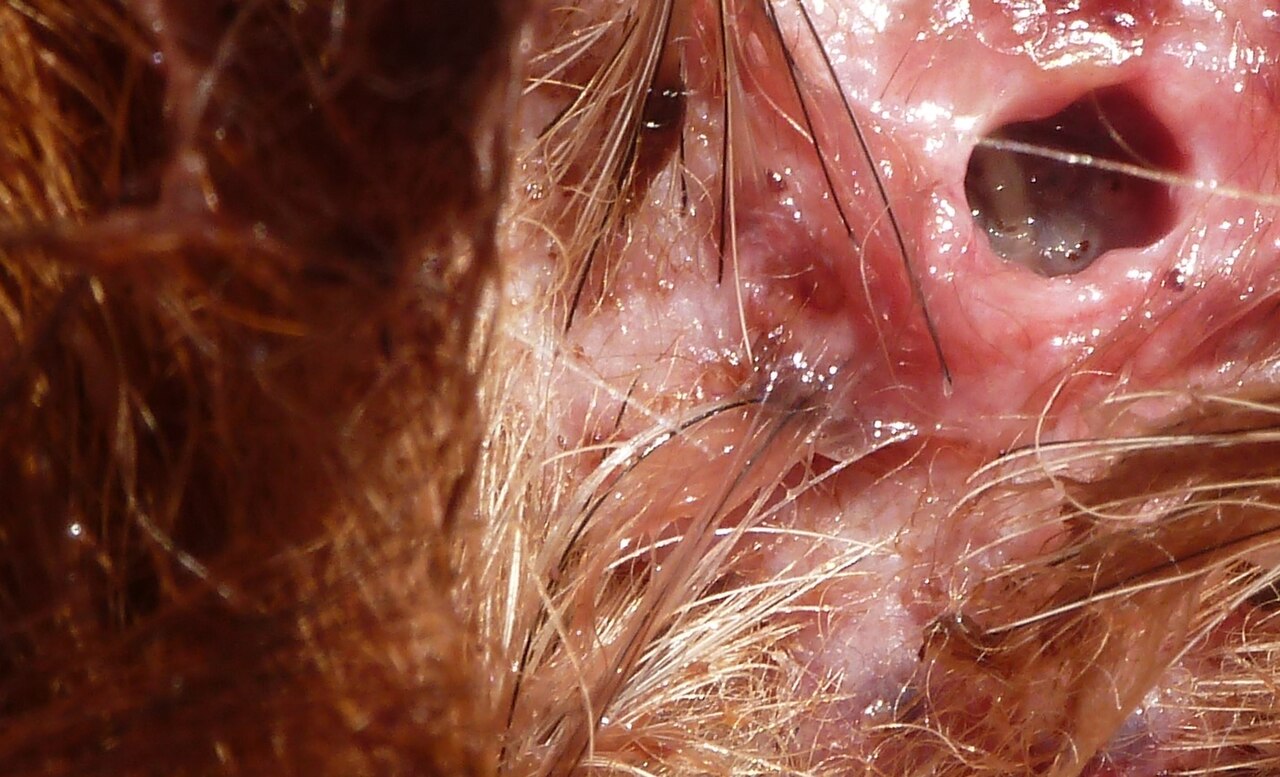
Photo: Astridlorena / Wikimedia Commons (CC BY 3.0)
Source: Farms.com

Comments
(0)