
India’s state-run oil marketing companies have capped ethanol made from surplus government rice and damaged foodgrains for the 2026-27 supply year, a move expected to push distilleries toward maize and worry the poultry, feed and starch industries, Rural Voice reports.
Under revised tender terms issued on 3 November, ethanol from surplus Food Corporation of India rice is limited to 324 crore litres, made from 72 lakh tonnes of rice, across the first three quarters, or 108 crore litres a quarter. No producer may offer more than 30% of its total from this source in any quarter.
Damaged foodgrains are capped at 160 crore litres for the year, or 40 crore litres a quarter. Together the two sources can supply at most 484 crore litres, about 44% of the 1,100 crore litres tendered.
The rest must come from maize and other feedstocks. Sugarcane has largely dropped out already: in the 16 October tender the companies did not invite offers for ethanol from cane juice, sugar syrup, sugar or B-heavy molasses, amid concern over domestic sugar availability and prices. Only C-heavy molasses remains allowed.
That is a marked shift for a programme that first relied on sugarcane and gave mills an extra income stream. It also raises the stakes for maize, a key raw material for poultry, livestock feed and starch makers.
Maize in major markets is already selling at about Rs 29-30 a kg, above the 2026-27 minimum support price of Rs 24 a kg. Added ethanol demand could tighten supplies further and raise input costs for feed manufacturers.
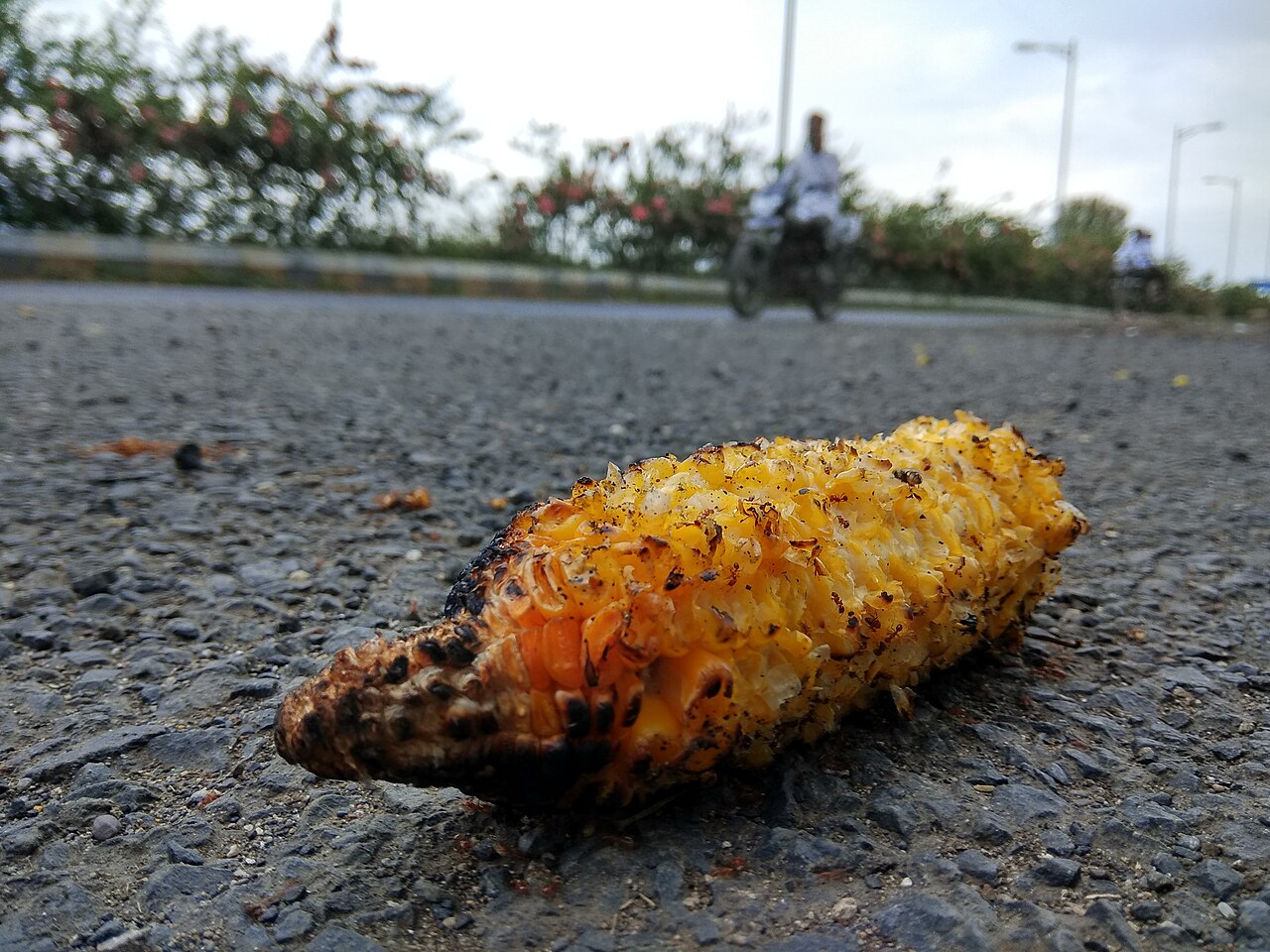
Photo: Devendramanaskar / Wikimedia Commons (CC0)
Source: Rural Voice

Comments
(0)