
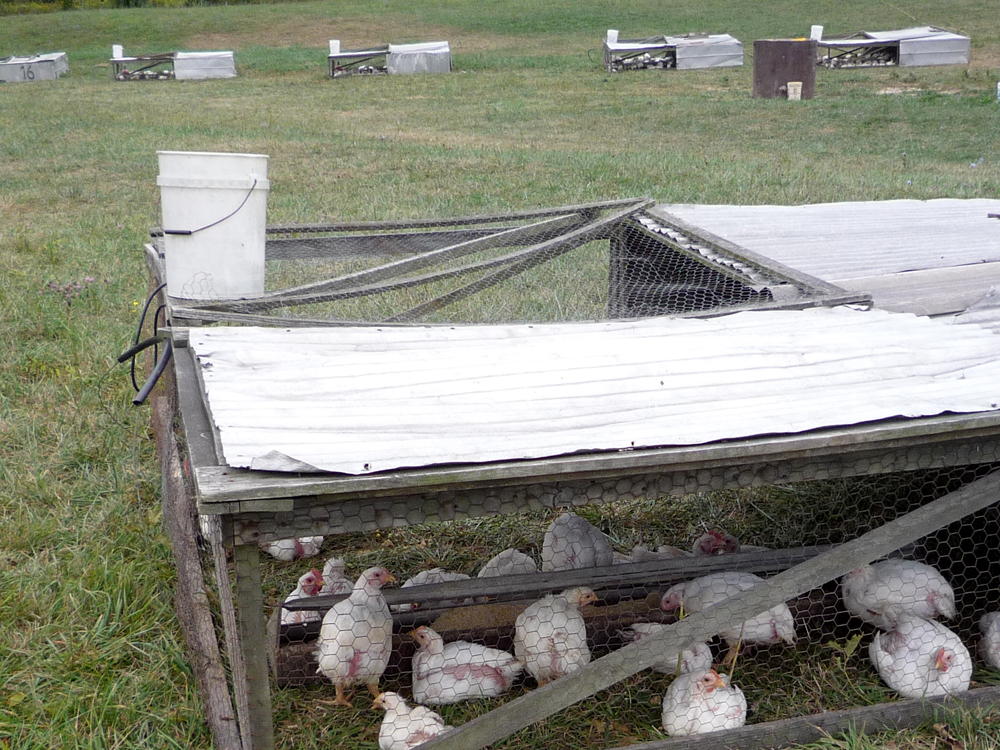
Njombo Chabangu was 13 when he asked his father for money to start a poultry business in Lulekani, Phalaborwa, in South Africa's Limpopo province. A year later his Golden Roost Farm raises 400 broiler chicks per cycle, up from a first batch of about 100, Food For Mzansi reports.
His father, Moses Chabangu, lent him R10,575 in 2025 to cover the first chicks, equipment, transport and other start-up costs, and made clear it had to be repaid. "That taught me to take my business seriously and manage my finances wisely," the boy says. He chose broilers because they needed less starting capital than other kinds of farming, and he learnt from farmers on TikTok and YouTube. After registering the business in 2025, in his father's name because he is a minor, he won sponsorship from Poltek Poultry Equipment for his second cycle: feeders, drinkers, a heat lamp and anti-drowning rings.
Now 14 and in grade 8 at All Saints College, he works on the farm at weekends and in the holidays from about five in the morning. He opens the side curtains for ventilation, checks water and feed, and watches the birds' movement, behaviour and breathing for signs of illness. Later he turns the bedding and keeps records, and in the afternoon he tops up feed and water, closes the curtains, checks the CCTV cameras and locks the gates, because theft is a serious problem in the area. On school days his father looks after the birds.
He limits visitors, controls access and keeps the houses clean. "It prevents diseases from entering and spreading on the farm. This helps protect my chickens, reduce losses, and maintain a healthy flock," he says.
There have been losses. Extreme heat forced him to buy more fans. While he was renting, other tenants sometimes switched off the electricity, his heat lamps went out and chicks died. Water has to be bought from a truck to fill his tank, which adds to costs, and shortages have raised chick mortality.
He sells to local people, creches and buyers from inland areas, and hopes to supply businesses as the farm grows. He plans to study business management. "I want to use my knowledge to become a successful entrepreneur and make a difference in my community," he says. The story was reported by Vateka Halile.
Photo: Jessica Reeder / Wikimedia Commons (CC BY-SA 2.0)
Source: Food for Mzansi


Comments
(0)