
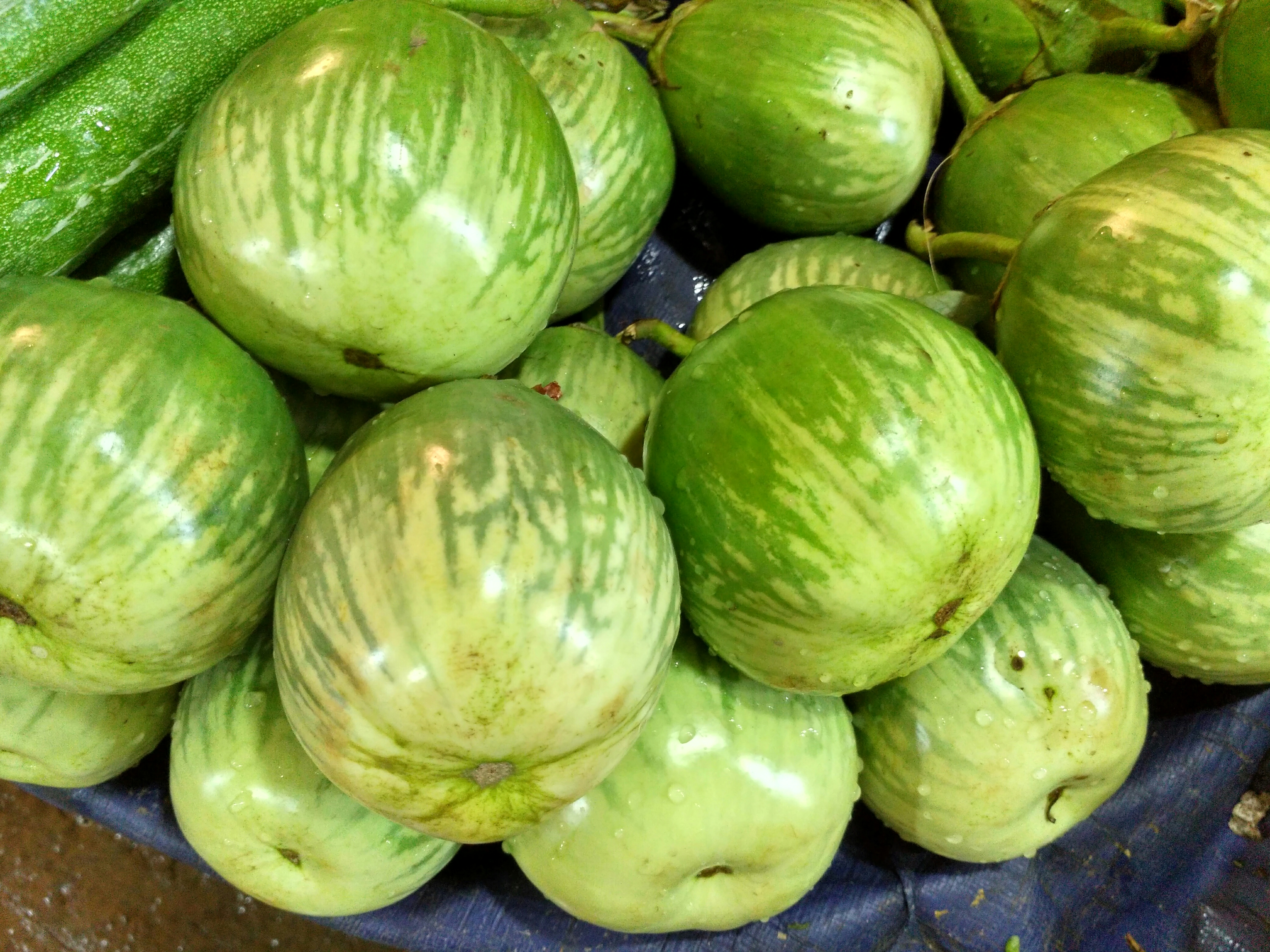
The Regional Horticulture Research Centre at Lebukhali in Dumki upazila of Patuakhali, run by the Bangladesh Agricultural Research Institute (BARI), was developing fruit and vegetable varieties suited to the climate and soils of the southern coast, producing quality seed and seedlings, and training farmers and new entrepreneurs, Jagonews24's Patuakhali district correspondent reported on 28 June 2026. The centre's chief scientist, the vice-chancellor of Patuakhali Science and Technology University and the district's deputy director of agricultural extension told the paper that its work was opening new prospects for farming in the south.
At the time of the report the centre was running research on new varieties of bean, pumpkin, brinjal (aubergine), cucumber and okra. Three varieties developed through its research, BARI Brinjal-12, BARI Watermelon-1 and BARI Watermelon-2, had already become very popular with farmers, and a new pumpkin variety suitable for cultivation all year round, named BARI Hybrid Pumpkin-4, had been proposed to the Ministry of Agriculture for registration.
A BARI horticulture centre in Dumki
The centre sits in a part of the country where farming is shaped by the sea. Jagonews24 described its purpose as developing new fruit and vegetable varieties suited to the climate and soil of the south, producing quality seedlings, training farmers and creating entrepreneurs, and named the three varieties that had come out of its research: one brinjal, BARI Brinjal-12, and two watermelons, BARI Watermelon-1 and BARI Watermelon-2. The centre's chief scientific officer described the aim as climate-resilient, higher-yielding and profitable varieties for coastal farmers.
BARI's list of crop research centres and sub-centres, as last updated on 4 May 2026, names the Regional Horticulture Research Centre at Lebukhali, Dumki, Patuakhali, alongside the institute's regional horticulture research centres at Shibpur in Narsingdi and in Chapainawabganj, the Citrus Research Centre at Jaintapur in Sylhet and the Fruit Research Centre at Binodpur in Rajshahi.
BARI itself is the country's main research institute for crops other than rice, jute, sugarcane and tea, which have their own institutes. Banglapedia traces it to the Agricultural Research Laboratory, Bengal, set up in Dhaka in 1908; the Directorate of Agriculture (Research and Education) was converted into BARI in 1976, and the institute later moved its central station to Joydebpur in Gazipur. In its booklet "BARI at a Glance", the institute says it works on about 212 crops, from cereals and tubers to pulses, oilseeds, vegetables, fruits and flowers, through regional stations and sub-stations spread across the country's agro-ecological regions, six specialised crop research centres and 16 research divisions.
Lebukhali is one of the five unions of Dumki, which Banglapedia describes as the smallest upazila of Patuakhali district, with an area of 92.41 square kilometres; it became an upazila in 2000. Its main rivers are the Lohalia, the Rajaganj and the Burishwar, its main crops rice, potato, pulses and chilli, and its main fruits banana, jackfruit, watermelon and papaya. Patuakhali district covers 3,221.31 square kilometres between Barishal district to the north and the Bay of Bengal to the south, with Bhola to the east and Barguna to the west. Its land is made up of alluvial soil of the Meghna basin and a number of small chars, and its rivers include the Andharmanik, the Agunmukha, the Tentulia, the Galachipa and the Rajganj.

New vegetable varieties and breeder seed
The centre told Jagonews24 that it regularly produced breeder seed of different vegetable crops so that improved, high-yielding varieties could spread. In the season of the report it had produced breeder seed of the following varieties:
- BARI Brinjal-12
- BARI Watermelon-1 and BARI Watermelon-2
- BARI Bottle Gourd-3 and BARI Bottle Gourd-4
- BARI Red Amaranth-1
- BARI Stem Amaranth-1
- BARI Hybrid Bitter Gourd-2
- BARI Hybrid Pumpkin-2
BARI's table of varieties registered between 2018 and 2023 shows that BARI Brinjal-12 was registered on 26 June 2020, with a yield of 60 to 80 tonnes per hectare in the rabi (winter) season and 30 to 35 tonnes per hectare in the kharif season. The same table lists BARI Hybrid Pumpkin-2, registered on 18 March 2019 with a yield of 40 to 50 tonnes per hectare, and BARI Hybrid Bitter Gourd-2, registered on the same day with a yield of 35 to 38 tonnes per hectare. Professor Dr S M Hemayet Jahan, vice-chancellor of Patuakhali Science and Technology University, told Jagonews24 that BARI Brinjal-12 was an exceptional variety that looks rather like a bottle gourd, with each brinjal weighing one to two kilograms.
Brinjal, Solanum melongena of the nightshade family Solanaceae, is one of the most popular vegetables in Bangladesh. Banglapedia notes that it is usually planted in October and November and is ready for harvest in 90 to 100 days. Okra, Abelmoschus esculentus of the mallow family Malvaceae, is grown in almost every part of the country in the summer and rainy season; its green pods, 14 to 18 centimetres long, have five ridges. Bottle gourd (Lagenaria siceraria), bitter gourd (Momordica charantia) and watermelon (Citrullus lanatus) are vines of the gourd family Cucurbitaceae, and red amaranth is a form of edible amaranth, Amaranthus tricolor, a species native to South and South-East Asia whose leaves are eaten as a vegetable.
The quality of such seed is overseen by a state agency. Banglapedia notes that the Seed Certification Agency, set up in 1974 at Gazipur under the Ministry of Agriculture, certifies the breeder and foundation seed of controlled crops, coordinates the evaluation and release of varieties of notified crops, advises the National Seed Board, and collects samples of truthfully labelled seed across the country to check their declared standards. Its certification passes through four phases: verification of the seed source, inspection of the seed crop in the field, inspection and testing of seed lots, and tagging, labelling and sealing of the seed.
Red and yellow watermelons beyond the usual season
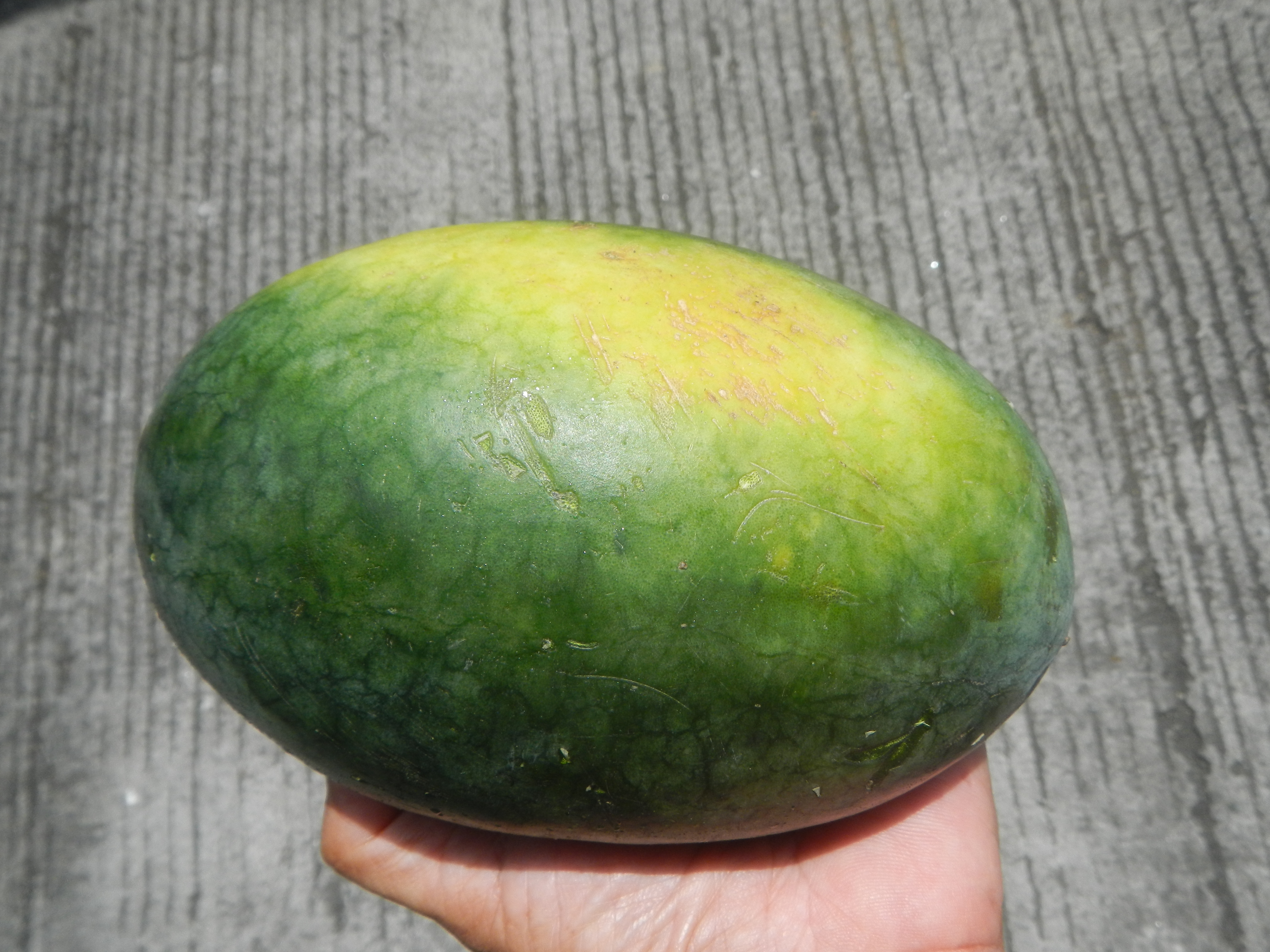
BARI's variety table records that BARI Watermelon-1 and BARI Watermelon-2 were both registered on 31 December 2020, with yields of 40 and 30 tonnes per hectare respectively. When the seed was nearing approval, The Daily Star reported on 16 August 2020 that BARI researchers at Lebukhali had developed seed for the country's first watermelons that grow in two colours, red and yellow, and can be cultivated all year round. Research had begun in 2015, the yield was about 40 tonnes per hectare, and at the time watermelon reached the market only in its usual season. A scientific officer at the station told the paper that Bangladesh imported watermelon seed worth Tk 250 to 300 crore a year from China, Japan, Thailand and India. The red and yellow trial plots stood on relatively high ground and the fruits were wrapped in polythene against pests; the seed was to go to the Seed Board for approval, after which the Department of Agricultural Extension would distribute it to farmers.
A year later, on 19 August 2021, The Daily Star's Bengali edition reported that farmers in Patuakhali were profiting from the two BARI watermelons grown out of season. The varieties, one red and one yellow, had been released to farmers in 2020, farmers could keep their own seed, and the same field could carry the crop three times a year. Growers used mulching: raised soil beds covered with a special polythene so that the plant bases did not rot in the rain, with holes cut at set distances for the plants, and vines trained up bamboo-and-net trellises. Fruit came in about 80 days, and each fruit was hung in a net so that it would not drop. In June 2021 the method was used on 20 acres in five upazilas of the district, and the station's scientific officer said it had distributed 12,000 seedlings that June.
BARI had also studied the crop's nutrition on the coast. In its record of climate-resilient varieties and technologies released from 2009 to 2017, the institute noted that watermelon yields in coastal areas were low, about 15 tonnes per hectare, because farmers did not use balanced fertiliser, and that with integrated nutrient management, combining its recommended chemical fertiliser with cow dung, yields of about 44 tonnes per hectare were obtained while soil fertility was maintained. A 2017 recommendation for the coastal belt of Patuakhali reported the same yield of about 44 tonnes per hectare. The doses differ with soil and season, so farmers are advised to get them from the upazila agriculture officer.
The watermelon, Citrullus lanatus, is a scrambling, trailing vine of the gourd family, grown for its large fruit, which botanists call a pepo: a berry with a firm rind and no internal divisions. Its sweet, juicy flesh is usually deep red to pink, while some cultivars, such as one of the two Lebukhali varieties, have yellow flesh.
Salt in the soil: the coast's main constraint
The centre's push for salt-tolerant and climate-resilient varieties answers a problem the Soil Resource Development Institute (SRDI) measured in its 2010 report on soil salinity in Bangladesh. Of 2.86 million hectares of coastal and offshore land, about 1.056 million hectares of arable land were affected by varying degrees of salinity, up from 0.833 million hectares in 1973; about 0.223 million hectares (26.7 per cent) of new land had become saline over roughly four decades. The report notes that more than 30 per cent of the country's cultivable land lies in the coastal area, and that much of it stays fallow in the dry season, from January to May, because of soil salinity, a lack of good-quality irrigation water and late drainage.
SRDI's 2009 survey put about 0.328, 0.274, 0.189, 0.161 and 0.101 million hectares in the very slight, slight, moderate, strong and very strong salinity classes respectively, and named Patuakhali among the districts where some new land had been affected. Estuarine floodplains, which cover about 18 per cent of the coastal area, lie mainly in greater Noakhali, Barisal and Patuakhali. Most vegetable crops are very sensitive to salt; the report says their yields fall by 6 to 19 per cent with each unit increase in salinity. Its table of thresholds shows yield beginning to decline in bean at a soil salinity of 1.0 dS/m, with a 19 per cent loss for each further unit, in cucumber at 2.5 dS/m, with a 13 per cent loss per unit, and in squash at 3.2 dS/m, with a 16 per cent loss per unit.
Water was less of a problem around Lebukhali itself. SRDI listed the Lebukhali river among the few rivers and canals of Noakhali, Bhola, Patuakhali, Barisal and Jhalakathi that do not become highly saline in the dry season, found the Tentulia, Patuakhali and Pandob rivers of Patuakhali district only marginally saline, and judged most of the rivers and canals in the northern part of Patuakhali and Barguna suitable or marginally suitable for irrigation.
BARI methods for saline and tidal land
Alongside new varieties, BARI had developed field methods for this kind of land, which the centre's training and demonstrations draw on. The institute's records describe:
- Mulching the base of plants with rice straw or sawdust to stop salinity rising in the soil, which raised yields of watermelon and sweet gourd by 32 to 34 per cent, bitter gourd by 40 to 46 per cent and okra by 30 to 35 per cent.
- A subsurface straw layer about 5 centimetres thick laid at a depth of 50 centimetres after the final ploughing, which, by checking the upward capillary movement of salt, reduced the intensity of topsoil salinity by 14 to 37 per cent, and in the dry months of March to May, when soil moisture falls below the wilting point, raised the soil's water-holding capacity by 16 to 56 per cent; even in strongly saline soil of 12 to 15 dS/m, sweet gourd vegetables yielded 10 to 12 tonnes. BARI names Satkhira, Patuakhali and Noakhali as the areas for this method.
- Drip irrigation with fertigation and mulch, which BARI says saves 30 to 40 per cent of potash, 40 to 45 per cent of urea and 50 to 55 per cent of irrigation water compared with conventional methods, gives 20 to 25 per cent more yield and lowers salinity around the roots.
- Raised beds with mulch and drip irrigation, tested with the International Centre for Biosaline Agriculture in Dubai, which reduced soil salinity from 10 to 12 dS/m to 4.5 to 5.5 dS/m and gave higher yields than conventional irrigation.
- High beds made with three or four ploughings on medium-high coastal land after aman rice, on which cucurbit vegetables were protected from salinity, sudden floods or tidal water and early rain, according to three years of research by BARI's On-Farm Research Division.
BARI says that from January 2009 to December 2017 it released 27 high-yielding varieties of different crops tolerant of adverse conditions linked to climate change, and 25 related technologies. Its project records also show work in Dumki: an Integrated Agricultural Productivity Project (BARI part) that ran from July 2011 to December 2016 covered Patuakhali Sadar and Dumki, and a project to strengthen horticultural crop research and spread horticulture and field-crop technology in char areas, scheduled for April 2016 to June 2021, listed Dumki among its sites.
Fruit trees and quality seedlings
Besides vegetables, the centre was running wide research on fruit crops. Research and demonstrations were under way on varieties of mango, dragon fruit, guava, banana, jujube (kul) and malta, and it was raising seedlings of fruit trees to supply farmers with quality planting material. In the year of the report the centre produced the following mango seedlings:
- BARI Mango-3: 1,250 seedlings
- BARI Mango-4: 1,400 seedlings
- BARI Mango-8: 400 seedlings
- BARI Mango-11: 1,000 seedlings
It also continued to produce and distribute seedlings of BARI dragon fruit, BARI guava, BARI jujube, malta, coconut, litchi and banana.
Grafted seedlings matter for fruit. Banglapedia's entry on mango explains that mango plants are multiplied vegetatively, usually by grafting, to keep the characteristics of the mother plant, that grafted trees first bear fruit in about the fourth year after planting and remain productive up to about their 45th year, and that seedling trees take several years longer to bear. Mango grows in almost any soil at least a metre deep, with an optimum pH of 5.5 to 7.5, and fog, rain or cloudy weather in January to March, when the trees flower, harms fruit setting. The Department of Agricultural Extension produces and distributes grafts of elite mango cultivars from its orchards, horticulture bases and nurseries across the country.
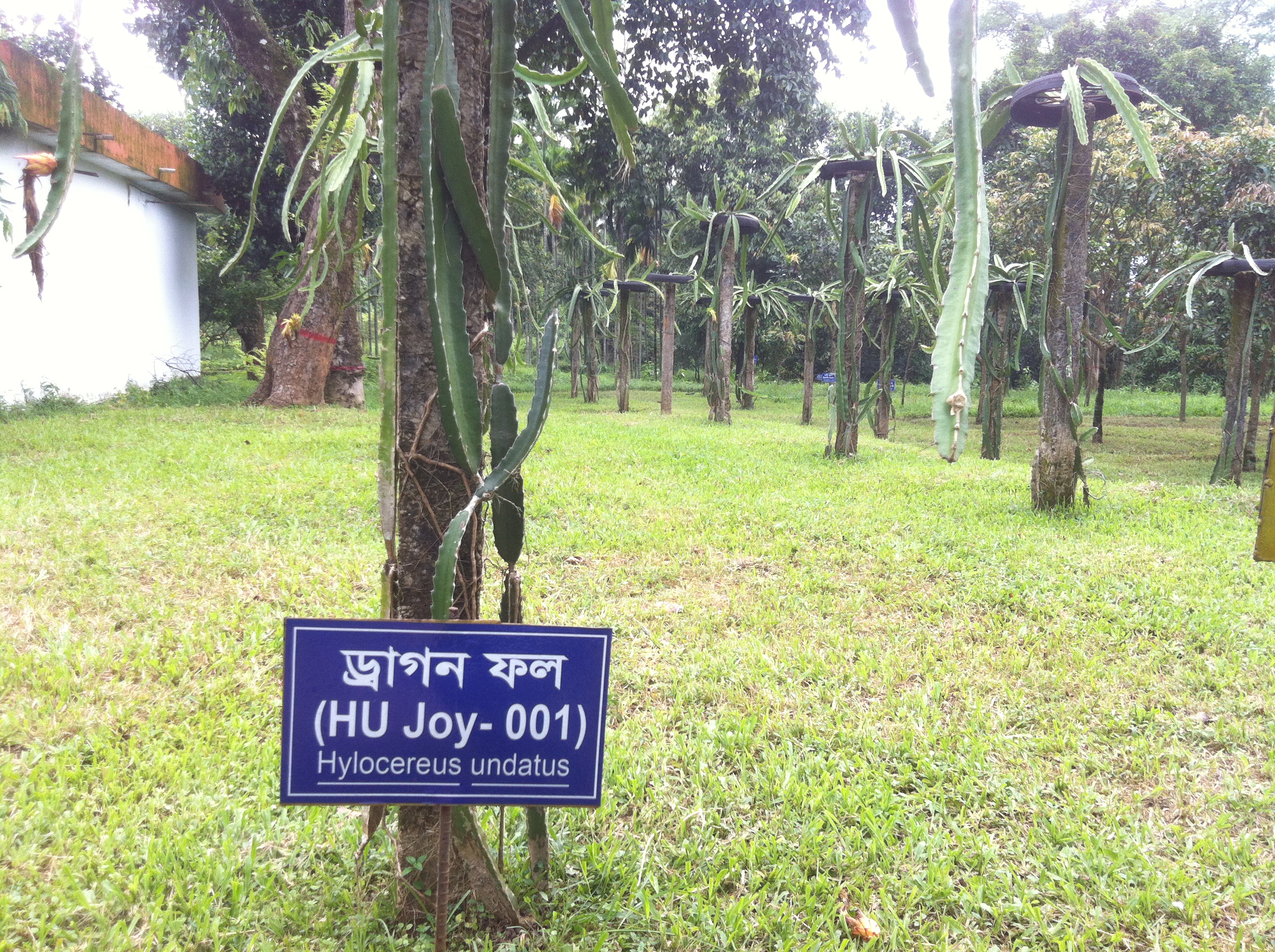
Guava, Psidium guajava, originated in tropical America and grows best between 23 and 28 degrees Celsius, though mature trees tolerate up to 45 degrees. Banglapedia notes that it can be propagated by air layering, grafting and budding, and that one of the country's known local varieties is named after the Swarupkathi area of greater Barisal, where it is grown extensively. Dragon fruit is the fruit of Selenicereus undatus (formerly Hylocereus), a climbing cactus that, like all true cacti, originates in the Americas; it is native from Mexico to Honduras.
Training farmers and new entrepreneurs
Beyond research and seedlings, the centre played a part in raising farmers' skills and creating agricultural entrepreneurs. Through regular training, field days, technology demonstrations and advisory services, it encouraged farmers to take up modern farming technology, and many became interested in growing fruit and vegetables commercially and were setting up as new entrepreneurs, the report said.
Entrepreneur Sharmin Akter told the paper: "I took training at the Regional Horticulture Research Centre. After the training I started growing dragon fruit at home. At present I have a small dragon fruit orchard. With the advice and technical support of the centre's officials I was encouraged to grow dragon fruit, and I plan to expand the orchard in future."
Local farmer Selim Mia said: "I took a three-day training here. The training gave a detailed idea of how to make farming scientific and profitable. I learnt many new things about farming. Now I am farming with that knowledge and benefiting more than before."
The Department of Agricultural Extension (DAE), the government department under the Ministry of Agriculture responsible for agricultural extension, is the body that carries such technology to farmers across the country; its Patuakhali office is headed by a deputy director.
What the scientist, the university and the extension office said
Dr Md Alimur Rahman, chief scientific officer of the Regional Horticulture Research Centre, said the centre had long been carrying out research on different fruit and vegetable crops. "BARI Brinjal-12 has already been registered, and BARI Bean-11 has been registered. A proposal has been sent to the Ministry of Agriculture for registration of the BARI Hybrid Pumpkin-4 variety," he said. Work on okra, bean and several other crops had made notable progress, and proposals to register those varieties could be sent in future.
"We are working to develop climate-resilient, higher-yielding and profitable varieties for farmers in the coastal region," he added. "We are hopeful that spreading research-based technology in the field will raise farmers' incomes and further enrich the country's agricultural production."
Vice-chancellor Hemayet Jahan said the Lebukhali centre was playing an important role in the agricultural development of the south. He said such high-yielding and profitable varieties held great promise for coastal farmers. "If the research centre continues the way it is developing new varieties, carrying out research and delivering that technology to farmers, a new horizon will open in the agriculture of the south. I think such research is a great blessing for the agriculture of our region," he said.
Patuakhali Science and Technology University stands on the same Dumki ground as a long history of agricultural teaching. Banglapedia records that it was set up under a project of the 1997-2002 Fifth Five-Year Plan to establish science and technology universities in districts without a university, that project directors were appointed in November 1999, and that the university was established on the campus of Patuakhali Krishi (Agricultural) College at Dumki, 15 kilometres from the district town, with a Faculty of Agriculture growing out of the college. Banglapedia's entry on BARI lists Patuakhali Agricultural College among the institute's three former constituent agricultural colleges.
Dr Mohammad Amanul Islam, deputy director of the DAE in Patuakhali, told Jagonews24 that many farmers in the south were already benefiting from the centre's research. "From producing quality seedlings to developing various improved varieties of vegetables and fruit, the Regional Horticulture Research Centre is making an important contribution. It also works regularly to train farmers, give technical advice and make them aware of modern cultivation methods. Its work in particular on developing and spreading varieties of malta, lemon and other juicy fruits suited to this region is commendable," he said.
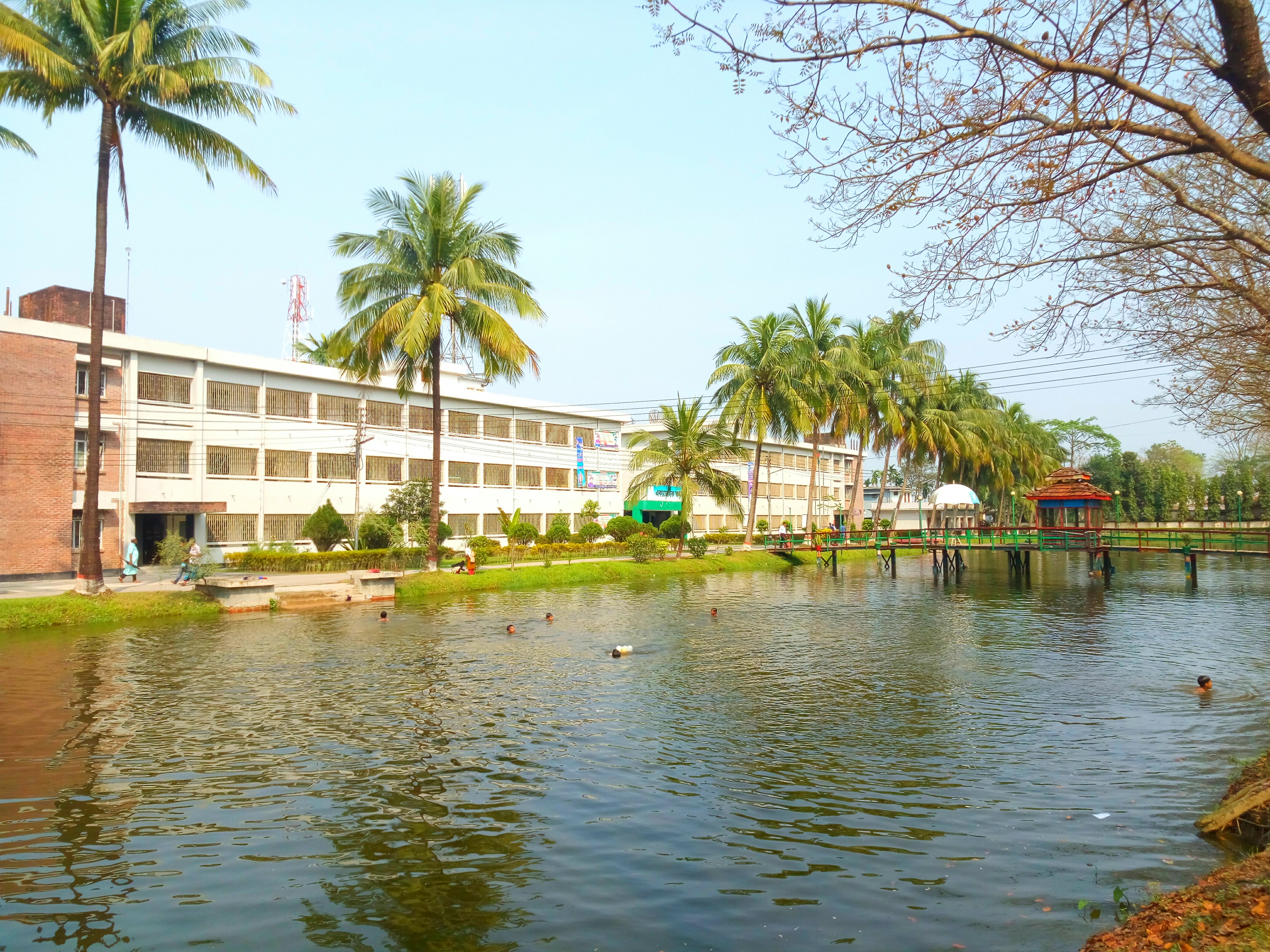
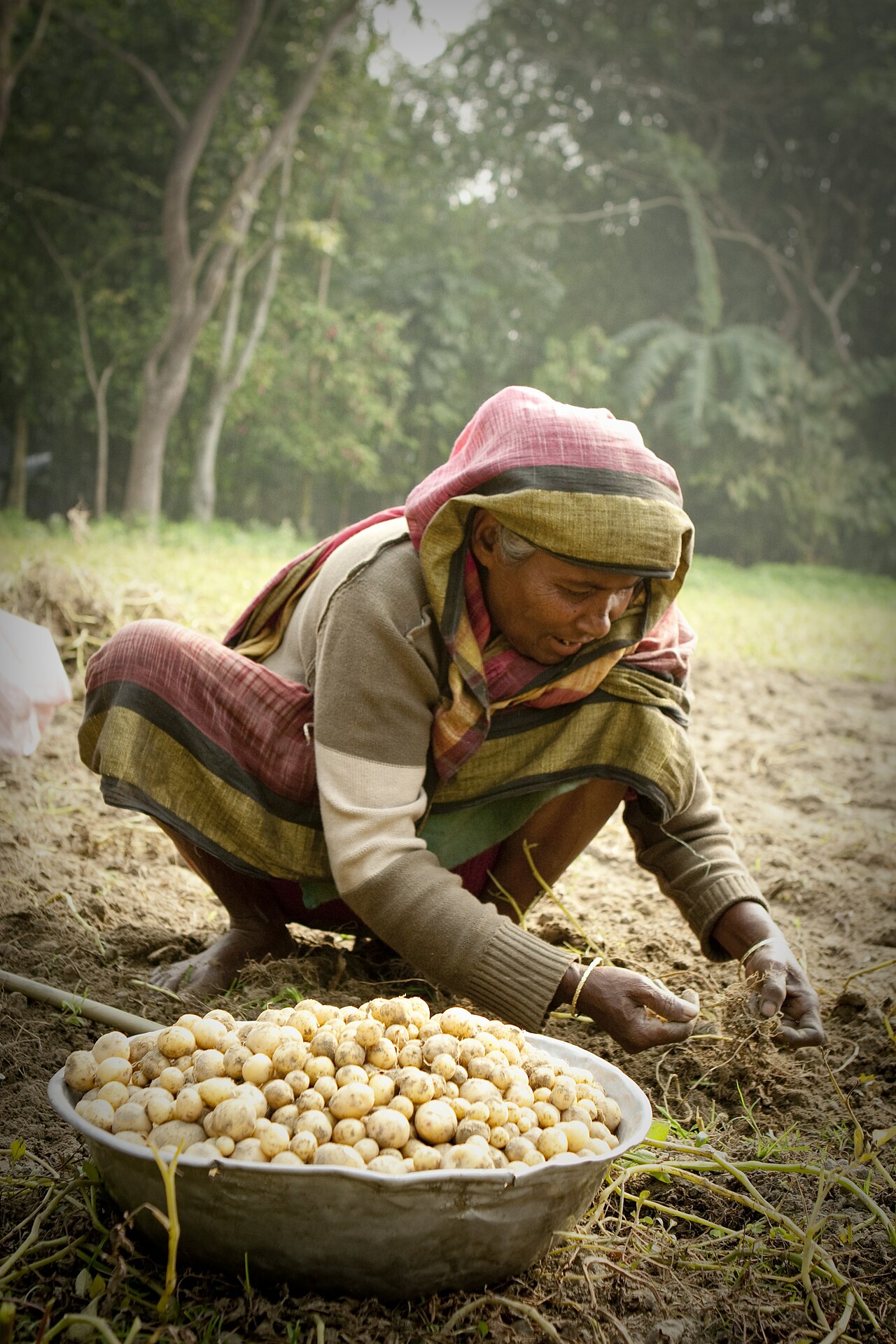
Photo: Salim_Khandoker / Wikimedia Commons (CC BY-SA 3.0)
Sources: Jagonews24, Bangladesh Agricultural Research Institute (BARI), Soil Resource Development Institute (SRDI), The Daily Star, The Daily Star Bangla, Banglapedia, Wikipedia
Comments
(0)