
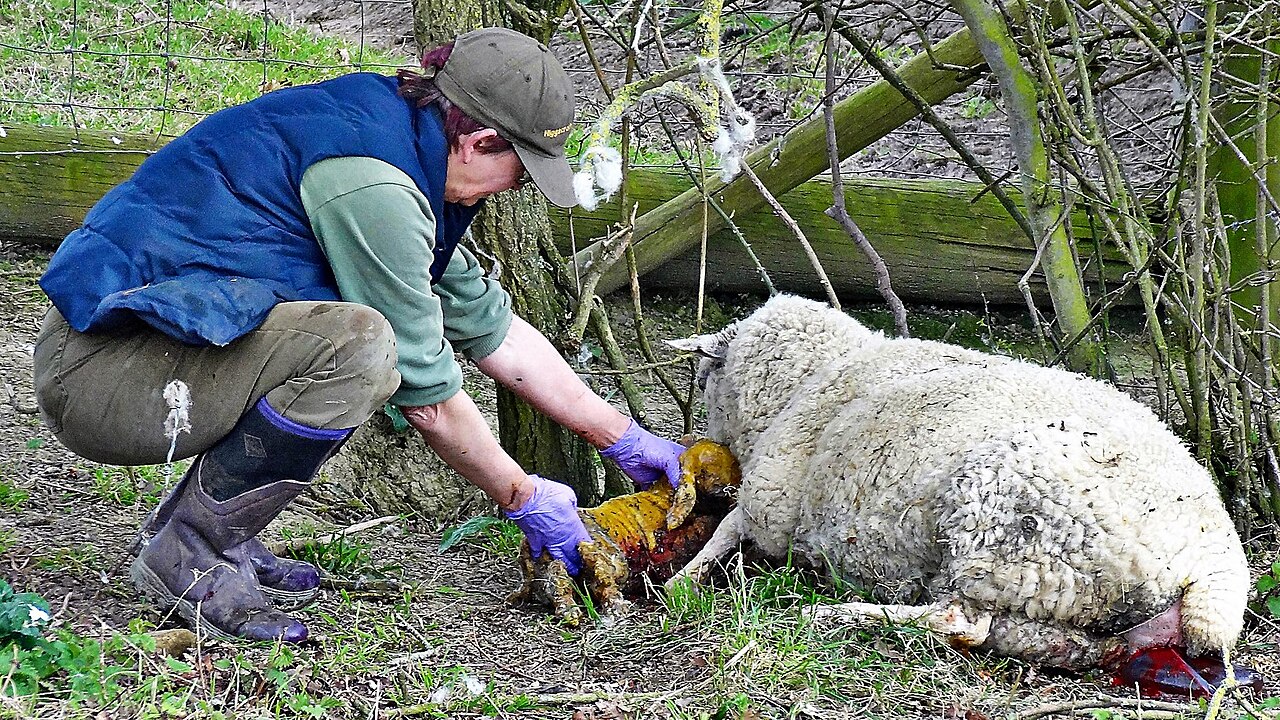
Diarrhoea, known to farmers as scours, is one of the most common causes of death in newborn lambs and kids. In the season it can start with one sick animal and spread through almost an entire kraal, livestock specialists in South Africa warn in a practical guide published by Food for Mzansi.
Sihle Mntunje, an animal health technician with the Eastern Cape department of agriculture, said poor sanitation, dirty bedding, contaminated equipment, infectious agents and nutritional factors can all contribute. He advises farmers to keep pens, kraals, feeders and water buckets clean, to make sure ewes and does receive their prenatal vaccinations, and to give every newborn colostrum within its first 12 hours. He recommends vaccinating sheep and goats four to six weeks before lambing and kidding, after talking to a vet. "If your newborn lamb or kid is not properly nursing, make sure it gets some frozen colostrum or milk replacer as soon as possible," he said.
Kwanda Biyela, who has farmed goats for four years and founded Kwanda Agribusiness in Empangeni, KwaZulu-Natal, said he first checks what a sick kid has taken in, including any water it may have reached, and what type of diarrhoea it has before choosing a medicine. When the problem persists or looks unfamiliar, he calls a veterinarian. For newborn kids he recommends housing with a lamp for warmth, good hygiene and a close watch on water sources, and he milks his goats and freezes the colostrum for the next kidding season.
Masixole Maswana, a production scientist at Tutimomo Agricultural Enterprise in Limpopo, said farmers should be proactive rather than reactive. Unclean kraals, dirty water troughs and animals sleeping where faeces and urine have collected all raise the risk of infection. He advises separating pregnant females so their feeding can be managed for good colostrum, watching suckling when a ewe has more than one lamb so that the weaker one is not left short, and cleaning troughs and equipment regularly rather than simply topping up the water.
Olwethu Laho, an animal scientist and owner of Tshitshi SC Farmers Store in Cofimvaba, Eastern Cape, named coccidia, E. coli and worms among the causes. Coccidiosis damages the intestines and can bring diarrhoea with blood, with animals hunched and puffed up. E. coli spreads where hygiene is poor or water is contaminated. Worms can show as swollen bellies, loose droppings and sometimes visible worms in the faeces. Hungry young animals put everything in their mouths, and that is how the bacteria and parasites get in, he said.
The specialists stress that the look of the droppings can tell a farmer an animal is unwell but cannot confirm the cause, so a veterinarian or animal health technician should identify the problem and the treatment. Scours costs money through poor weight gain, deaths and treatment, Mntunje said, and prevention will always be better than treating animals once diarrhoea has set in.
The report was written by Vateka Halile for Food for Mzansi.
Photo: Ian Cunliffe / Wikimedia Commons (CC BY-SA 2.0)
Source: Food for Mzansi

Comments
(0)