
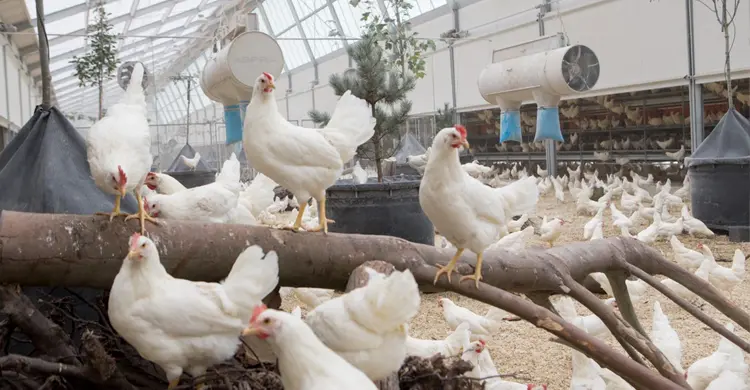
In Dutch, "kip" means chicken and "ster" means star, and together they gave the company its name: Kipster. Founded just six years ago, in 2017, by four entrepreneurs in the Netherlands, it has now spread beyond the country's borders.
An egg company with a mission
Kipster is essentially an egg producer, working towards animal welfare, tackling food waste and carbon-neutral egg production. Its farms give great importance to natural light and ventilation, and unlike many farms, the hens are not caged.
Because roosters bring no profit in the egg business, many companies kill male chicks. Kipster keeps them separately and raises them for meat.
No grain in the feed
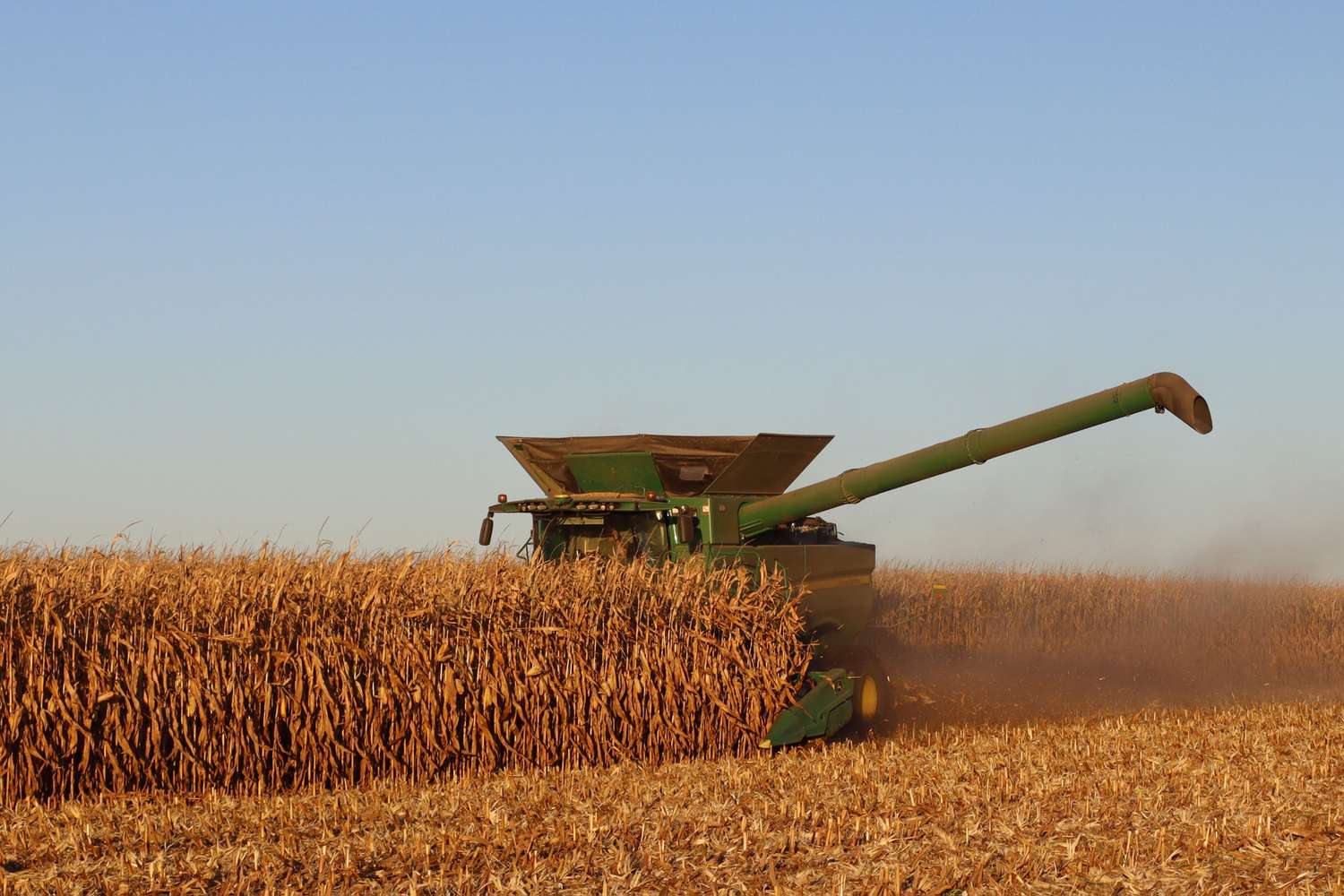
A notable feature is that the birds are not fed grain bought on the market. Instead they eat food waste collected from supermarkets and food manufacturers. Managing director Ruud Zanders said 30 per cent of grain produced worldwide goes to animal feed, and he wants all arable land used to grow grain for people.
Farms and partners
Kipster has three farms in the Netherlands and one in North Manchester in the United States, whose eggs are all bought by the US supermarket giant Kroger. At least three more US farms are planned, each for 24,000 hens, and they will be open to the public to see how the animals are kept comfortable.
The farms have gardens, trees and branches for the hens to perch on and peck, and Kipster firmly opposes beak trimming. Carbon emissions are zero because only solar power is used.
Zanders said the farms keep Dekalb White hens, a calm and friendly breed. White hens and white eggs have a five per cent smaller carbon footprint than brown ones: brown hens are larger and eat more, and white hens and eggs reflect sunlight more effectively.
The grocery chain Lidl buys adult roosters, spent hens and eggs from Kipster; the meat is made into meatballs and exported across Europe. The system was designed with the Dutch Society for the Prevention of Cruelty to Animals and Wageningen University and Research, and Zanders said it is well suited to urban poultry keeping.
The original report cited The Washington Post.
Source: Jagonews24. First published in Bengali on The Agro News.
Comments
(0)