
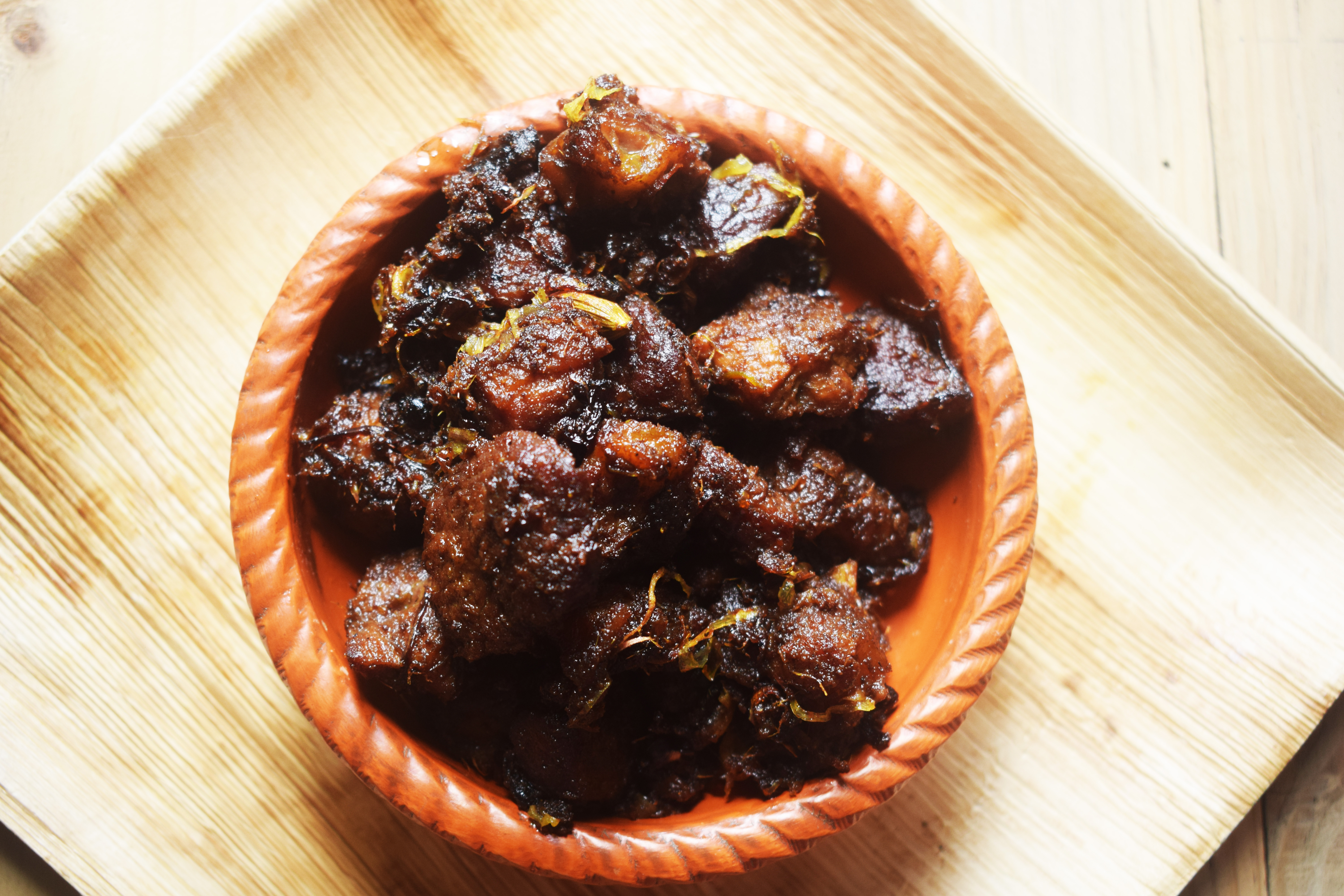
On the evening of 27 May 2026, the day before Bangladesh celebrated Eid ul-Adha on Thursday 28 May, Jagonews24 published a recipe for a dish it suggested putting on the Eid cooking list: beef kala bhuna. Among the many ways of cooking beef, the report said, kala bhuna is a special favourite for many people; with its slow-fried spices, smoky aroma and dark colour without gravy, the traditional dish brings something different to the Eid table, and it can be made at home for family or guests.
The recipe marinates one and a half kilograms of bone-in beef in yoghurt and ground spices in the fridge for several hours, fries onions to a crisp in mustard oil, cooks the meat slowly in its own juices for one and a half to two hours, and finishes it with the smoke of a live coal and ghee. Below are the full ingredients and steps, where the dish comes from, what its key spices are, how earlier published recipes compare, the official count of sacrificial animals that year, and what food safety authorities advise on storing and cooking meat.
What kala bhuna is and where the name comes from
Kala bhuna is a dry, dark curry of beef or mutton, with beef the more popular choice. According to Wikipedia, the dish originated in the Chittagong region and later spread to other large cities including Sylhet, Khulna and Dhaka. In Bengali, kala means black, and bhuna is a South Asian style of cooking in which the spices and other ingredients of a curry are fried until richly flavoured and thickened. The long frying with plenty of spices turns the meat blackish, which gives the dish its name.
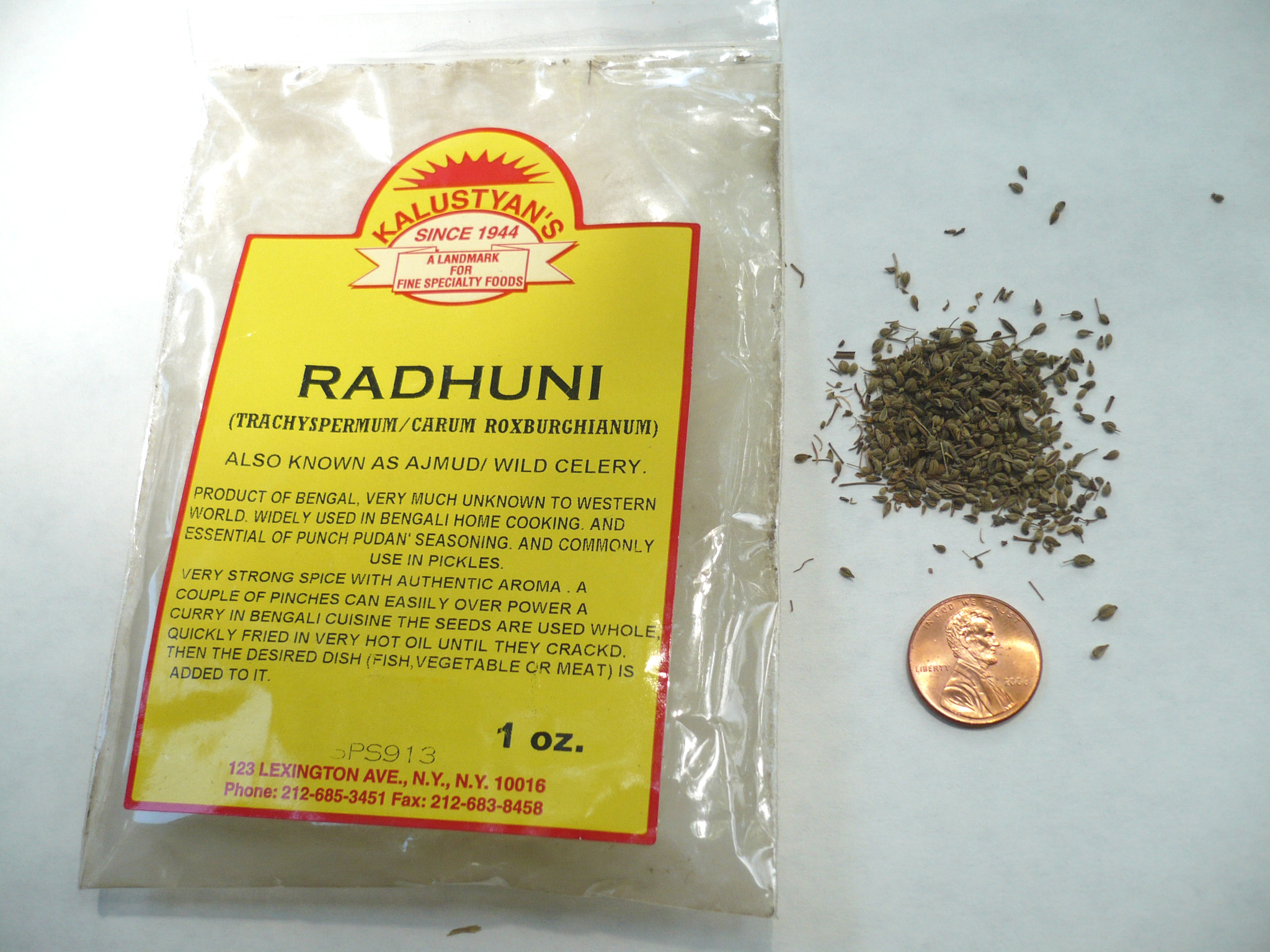
The same source lists the ingredients usually used: onion, ginger and garlic, with chilli, cumin, coriander, cardamom, cinnamon, cloves, turmeric, black pepper, salt, mustard oil, garam masala, nutmeg and toasted cumin, added gradually at different stages of cooking. The dish has become a favourite at mezban feasts, at Muslim festivals such as Eid, at Bengali Muslim weddings and at sehri and iftar during Ramadan. It is usually eaten with plain rice, pilao, paratha, naan or roti.
The Jagonews24 recipe describes the result as dark and without gravy: the meat is fried for so long that the oil separates from the spices and the colour deepens. Another recipe, published by the Daily Ittefaq in 2025, likewise says the dish is ready once the meat is tender and the water has dried off.
From Chattogram's mezban feasts to Eid tables across the country
Kala bhuna's story is tied to Chattogram's mezban tradition. Chittagong, officially spelled Chattogram in English since April 2018 to follow its Bengali spelling and pronunciation, is the second-largest city in Bangladesh. It lies on the Karnaphuli River and is home to the country's busiest seaport. The region is known for its mezban feasts and for kala bhuna.
According to Banglapedia, the word mezban is Persian for host, and mezbani means hosting a feast for guests. In the Chittagonian language it is called mejjan, while a similar feast in neighbouring Noakhali is called zeafat. Mezbans are held for deaths and death anniversaries, births and birthdays, personal successes, the launch of a business, moving into a new house, marriages, akika and the naming of a newborn. Invitations are open to all; drums and tin pipes once announced a feast, and printed invitation cards are now used in towns.
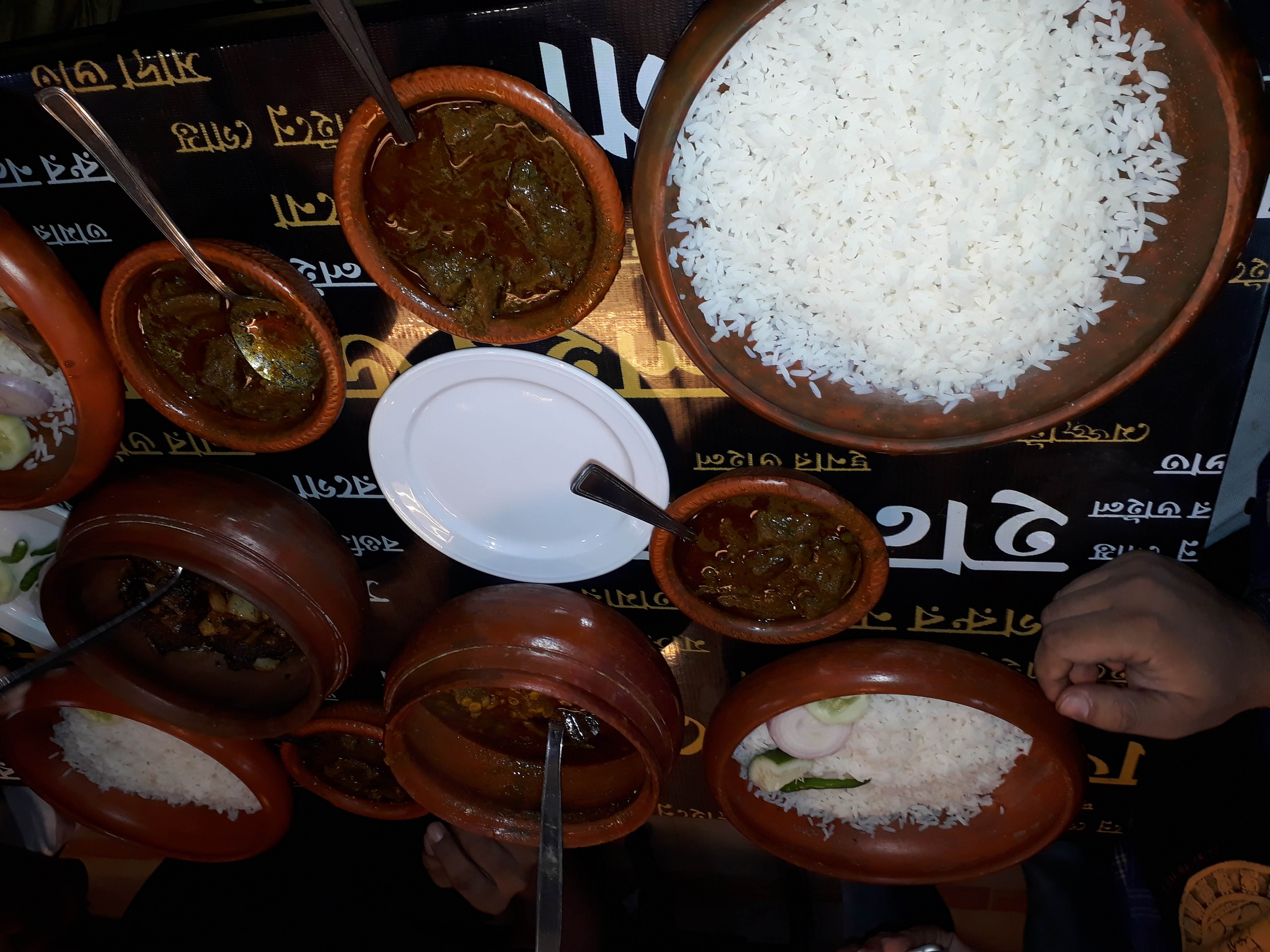
Banglapedia says a mezbani meal usually has white rice with three or four dishes, chief among them spiced beef, a sour bone broth called nawla kanji, and a pulse dish; in Hindu households fish, vegetables and dried fish take the place of beef. Rich and poor hold mezbans according to their means, and the feast is seen as a mark of social standing. The custom reached Dhaka in 1968 at the initiative of National Professor Dr Nurul Islam and later spread to Sylhet, Khulna and abroad; Banglapedia notes that large events draw around fifty thousand people.
Wikipedia's article on mezban lists the meal as steamed white rice with hot beef, along with chonar daal cooked with chunks of beef fat, nolar kanji made from beef bone marrow, and beef dried with onions, that is, kala bhuna. It adds that mezbani cooking uses almost every part of the animal, including bones, fat and liver, and demands real skill.
Ingredients in the Jagonews24 recipe
The recipe published on 27 May listed the following. The beef is bought on the bone, and the cooking fat is mustard oil, a hallmark of Bengali cooking.
- Bone-in beef: 1.5 kg
- Sour yoghurt: half a cup
- Ginger paste: 2 tablespoons
- Garlic paste: 3 tablespoons
- Chilli powder: 2 tablespoons
- Cumin powder: 1 tablespoon
- Turmeric powder: 1 teaspoon
- Coriander powder: 1.5 tablespoons
- Radhuni powder: 1.5 tablespoons
- Salt: to taste
- Mustard oil: 2.5 cups
- Onions: 600 g, thinly sliced
- Bay leaves: 2 to 3
- Cinnamon: 3 pieces
- Cardamom: 5 to 6 pods
- Cloves: 7 to 8
- Roasted cumin powder: 1 teaspoon
- Garam masala powder: 1 teaspoon
- Green chillies: 8
- Ghee: a little (optional)
The bay leaves, cinnamon, cardamom and cloves are the whole garam masala tempered in the oil at the start, while the garam masala powder and roasted cumin go in at the very end. Of the 1.5 tablespoons of radhuni powder, half a tablespoon goes into the marinade and the rest after the long frying. Of the 2.5 cups of mustard oil, 2 cups are used first to fry the onions and cook the meat, and the remainder at the end to fry the last of the onions that are poured over the dish.
Step-by-step method
Following the Jagonews24 recipe, the cooking falls into these stages:
- Marinate: mix the meat well with the yoghurt, ginger paste, garlic paste, chilli powder, turmeric, coriander powder, cumin powder, half a tablespoon of radhuni powder and salt to taste. Cover and leave it in the fridge for at least four to five hours.
- Make the beresta: heat 2 cups of oil in a pot and slowly fry more than half of the onions over a medium flame. When they turn into dark brown crisp-fried onions, lift them out and set them aside.
- Temper: in the same oil, add the whole garam masala (bay leaves, cinnamon, cardamom and cloves).
- First fry: add the marinated meat and stir-fry it well over a high flame for 10 to 15 minutes.
- Cook in its own juices: lower the heat, cover and cook. The meat should slowly cook and fry in the water it releases. Stir every 10 minutes so it does not stick to the bottom. This stage can take one and a half to two hours. Add a little hot water at a time if needed.
- Darken: when the oil separates from the spices and the colour deepens, stir in the reserved fried onions and the rest of the radhuni powder. This gives the meat its blackish-brown colour.
- Final fry: add the roasted cumin powder, garam masala powder, green chillies and a little ghee, and fry for another 8 to 10 minutes.
- Finish with onions: in another pan, fry the remaining onions brown in the rest of the mustard oil and pour them over the cooked meat.
- Smoke: place a burning piece of charcoal in a small bowl and pour a teaspoon of ghee over it. Set the bowl inside the pot of meat and cover it at once. Serve once the smoky aroma has come through.
The recipe suggests serving it hot with polao, naan or paratha. The method's key is that no water is added to begin with: the meat cooks in its own juices and is stirred over a low flame for a long time, so that the spices darken slowly without burning. The recipe says it is the fried onions and radhuni added near the end that give the meat its blackish-brown colour.
In the smoking step, the bowl sits inside the pot under a closed lid, so the smoke of the ghee on the coal stays inside and flavours the meat.
Radhuni, mustard oil and garam masala: the flavour behind the dish
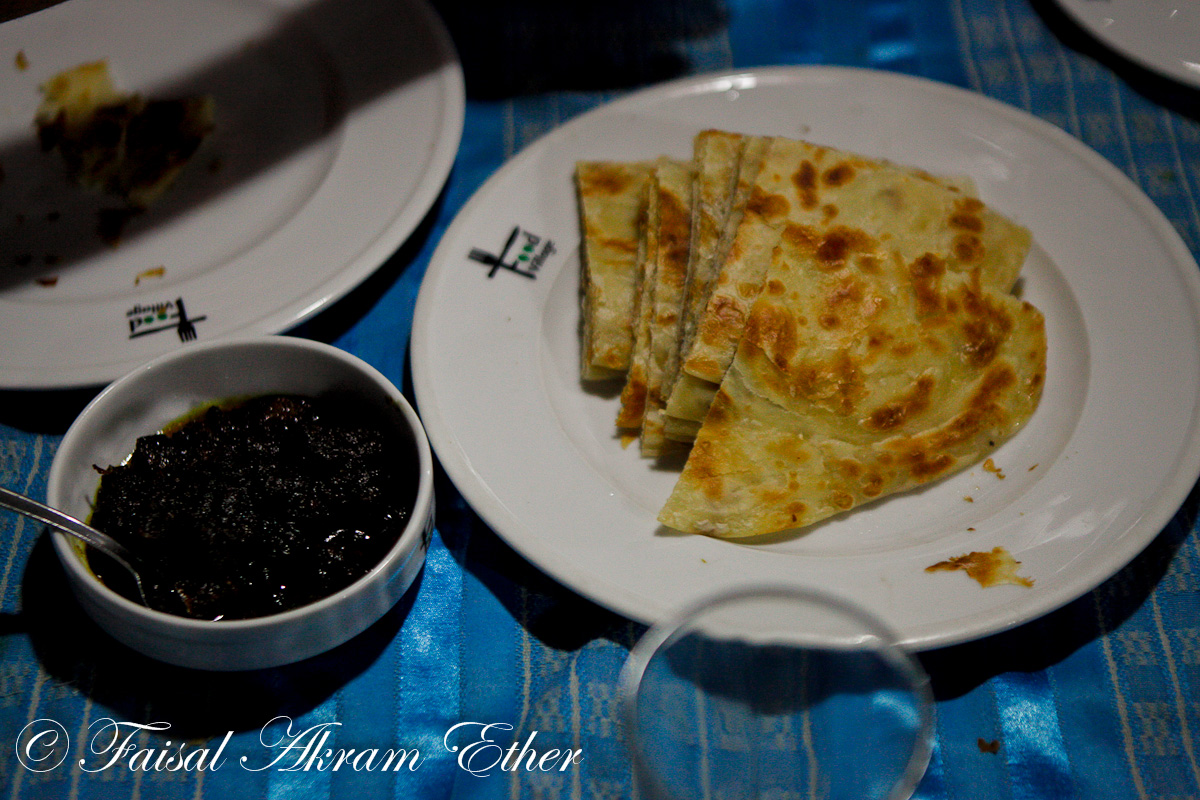
Three ingredients in this recipe carry much of kala bhuna's flavour and aroma. The first is radhuni. According to Wikipedia, radhuni is a plant of the Apiaceae family, called ajmod in Hindi and Urdu and sometimes wild celery in English. It is grown extensively in South Asia, Southeast Asia and Indonesia. Its dried fruits, usually called seeds, are used as a spice. It is a very strong spice, smelling of parsley and tasting of celery, and can easily overpower a dish if too much is used. In Bengali cooking the whole seeds are usually fried quickly in very hot oil until they crackle; radhuni goes into shukto and sometimes replaces mustard seed in panch phoron. The Jagonews24 recipe uses it ground, in two additions.
The second is mustard oil. Wikipedia notes that its pungent taste is a feature of Bengali and Bangladeshi cooking. Mustard seeds contain about 30 per cent oil, which is pressed from black, brown and white mustard. The sharpness comes from allyl isothiocyanate, formed when ground seed meets water or another liquid and the enzyme myrosinase reacts with a glucosinolate called sinigrin; the same compound gives horseradish and wasabi their heat.
The third is garam masala. The Hindustani name means hot or warm spices; it is a ground spice blend that originated in the Indian subcontinent and is widely used in Indian, Pakistani, Nepalese and Bangladeshi cooking. It typically contains cardamom, cinnamon, cumin, cloves, bay leaves, star anise and peppercorns, though the mix varies by region. The spices are usually roasted and then ground, or added towards the end of cooking to lift flavour and aroma. The Jagonews24 recipe follows that pattern, tempering the whole spices at the start and adding the powder at the last stage.
How earlier published recipes compare
Kala bhuna varies from household to household and region to region. On 5 March 2018 Bangla Tribune published a recipe titled 'Chattogram's traditional beef kala bhuna'. It used 2 kg of bone-in beef cut into large pieces, and its marinade included bay leaves, black cardamom, cinnamon, star anise, green cardamom, cloves, black peppercorns, fried onions, dried chilli powder, turmeric, coriander powder and ginger and garlic pastes. That recipe also cooked the meat covered without added water, in its own juices. Ground black pepper, nutmeg, mace, roasted cumin, garam masala and radhuni powder went into the cooked meat, and it was finished with a tempering of onion, garlic, ginger and dried red chillies fried in mustard oil. It was to be served with hot rice or khichuri.
On 6 June 2025 the Daily Ittefaq published another recipe, 'Recipes for kala bhuna and mezbani beef'. It used 1 kg of beef with chopped onion, ginger, garlic and onion pastes, half a cup of tomato paste, whole garam masala, bay leaves, half a cup of mustard oil and ground cumin, turmeric and coriander; the meat was fried for a while, covered with water and cooked until tender, and the kala bhuna was ready once the water had dried off.
Set side by side, the three recipes share a core: beef, mustard oil, ginger and garlic, coriander, cumin, turmeric and whole garam masala, with the meat fried until the liquid has gone. They differ in the details: the 2026 Jagonews24 recipe marinates in yoghurt and adds a charcoal smoking step, the 2018 Bangla Tribune recipe uses nutmeg and mace and a dried-chilli tempering, and the 2025 Ittefaq recipe adds tomato paste and water. Radhuni powder appears in both the Jagonews24 and the Bangla Tribune versions.
Eid ul-Adha 2026 and the sacrificial animals
The recipe appeared as the country prepared for Eid ul-Adha. Bangla Tribune reported on 18 May 2026 that the National Moon Sighting Committee, meeting that evening in the Islamic Foundation conference room at the Baitul Mukarram National Mosque, announced that the crescent of Dhul Hijjah had been sighted, so Eid ul-Adha would be celebrated across the country on Thursday 28 May. The report said the festival commemorates the sacrifice of the Prophet Ibrahim, his wife Hajar and son Ismail, and that Muslims sacrifice animals to seek closeness to Allah.
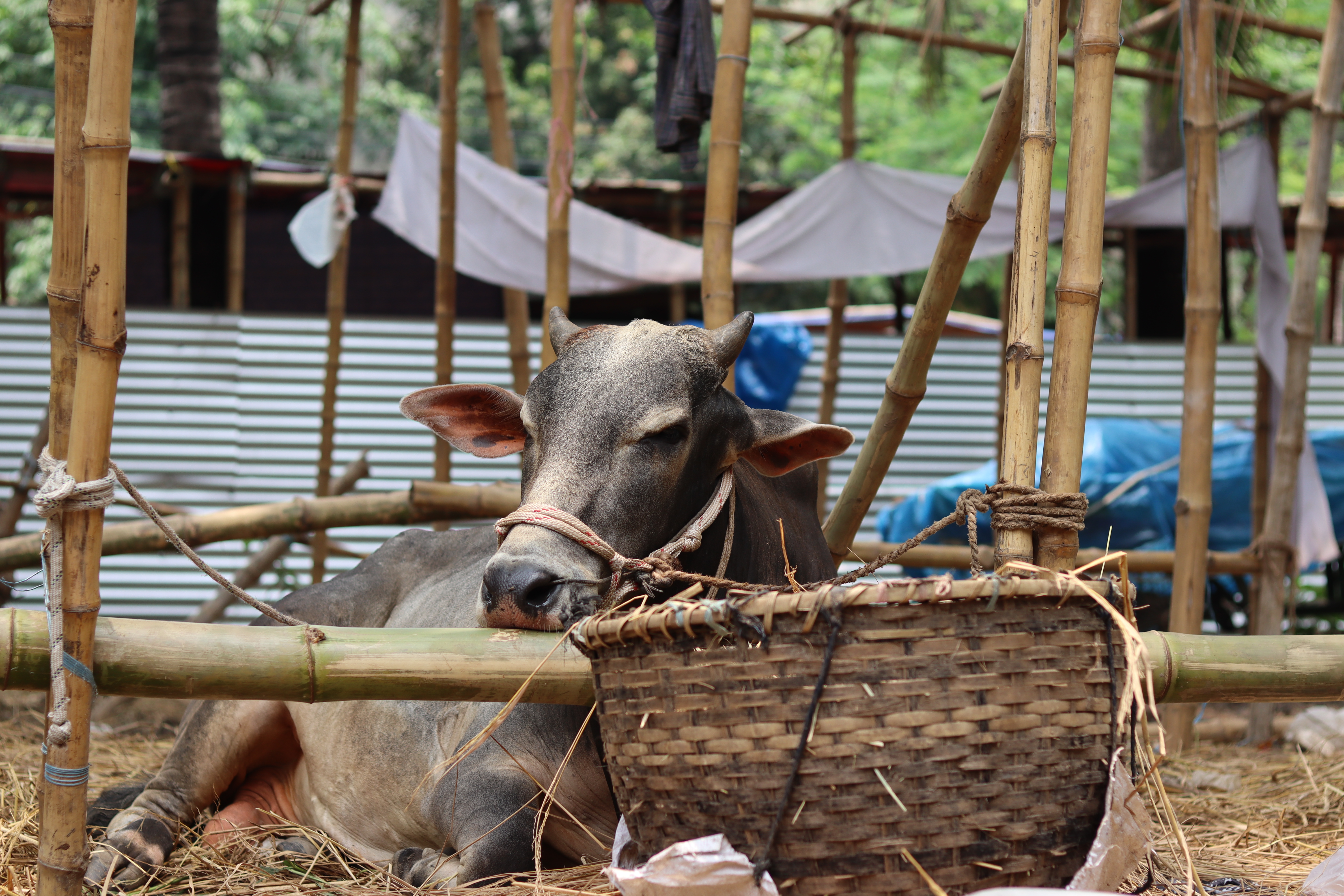
On the supply of animals, the Fisheries and Livestock Minister said on 3 May 2026 that there was no shortage. According to The Business Standard Bangla's report that day, the estimated demand for sacrificial animals was 10,106,334, while 12,333,840 animals were ready, a surplus of 2,227,506. The animals ready comprised 5,695,878 cattle and buffaloes, 6,632,307 goats and sheep, and 5,655 of other species.
The same report said more than 3,600 cattle markets would be held across the country, including 16 in Dhaka North City Corporation and 11 in Dhaka South City Corporation, and that 20 veterinary medical teams would work at the Dhaka markets to check animal health. The Department of Livestock Services' website lists a livestock call centre on 16358 for farmers and the public.
Meat production in Bangladesh
The meat cooked in homes at Eid rests on a large livestock sector. The Daily Star reported on 1 January 2025 that in 2023-24 the country's demand for meat was 76.21 lakh tonnes (a lakh is 100,000) while production was 92.25 lakh tonnes. The same report put demand for milk that year at 158.78 lakh tonnes against production of 150.44 lakh tonnes, so while meat output exceeded demand, milk still fell short.
The count of sacrificial animals reflects that scale. With more than 5.6 million cattle and buffaloes and more than 6.6 million goats and sheep ready in 2026, a great many households would have a large amount of raw meat in hand at the same time over Eid and the days after. Wikipedia describes kala bhuna as one of the favourite Eid dishes, and storing and cooking that much meat safely matters as much as the recipe.
Storing and cooking raw meat safely: what the authorities advise
The World Health Organization's fact sheet on food safety estimates that around 600 million people, almost one in ten worldwide, fall ill after eating contaminated food each year and 420,000 die; children under five carry 40 per cent of the foodborne disease burden, with 125,000 deaths every year. It notes that enterohaemorrhagic Escherichia coli is often associated with unpasteurised milk, undercooked meat and contaminated fresh fruit and vegetables. For safer food at home, WHO promotes five keys: keep clean, separate raw and cooked, cook thoroughly, keep food at safe temperatures, and use safe water and raw materials.
For beef, the US Department of Agriculture's Food Safety and Inspection Service (FSIS) sets out detailed advice in its guide 'Beef from Farm to Table'. Its main points:
- Refrigerate raw beef promptly at 40 °F (4.4 °C) or below and use it within 3 to 5 days, or within 1 to 2 days for variety meats such as liver, kidneys and tongue. To keep it longer, freeze it at 0 °F (-17.8 °C).
- It is not necessary to wash raw beef before cooking, FSIS says; any bacteria on the surface are destroyed by cooking.
- There are three safe ways to thaw beef: in the refrigerator, in cold water (changing the water every 30 minutes) or in the microwave. Never thaw it on the counter or elsewhere at room temperature. Bone-in parts may take 2 days or longer to thaw in the refrigerator.
- Marinate beef in the refrigerator, and discard any uncooked leftover marinade.
- Never brown or partially cook beef and refrigerate it to finish cooking later, because any bacteria present will not have been destroyed.
- Refrigerate cooked beef within 2 hours (1 hour if the air temperature is above 90 °F or 32.2 °C) in shallow, covered containers, and eat it within 3 to 4 days. Reheat it to 165 °F (73.9 °C), hot and steaming.
The FSIS guide 'Leftovers and Food Safety' explains that bacteria grow rapidly between 40 °F and 140 °F. Because a big pot takes a long time to cool, it advises dividing large amounts of food into small, shallow containers so they cool quickly before refrigerating. Cooked leftovers keep for 3 to 4 days in the refrigerator or 3 to 4 months in the freezer, and sauces and gravies should be brought to a rolling boil when reheated. These rules apply especially when a large pot of meat is cooked at once.
The Jagonews24 recipe's step of marinating the covered meat in the fridge matches the FSIS advice to marinate in the refrigerator. Because the dish is fried for one and a half to two hours, the meat has ample time to cook through, but making sure meat is fully cooked is the point of WHO's 'cook thoroughly' key in any recipe. Anyone whose diet or health condition limits eating meat should follow a doctor's advice.
Photo: Dolon Prova / Wikimedia Commons (CC BY-SA 4.0)
Sources: Jagonews24, Bangla Tribune, The Business Standard Bangla, The Daily Star, The Daily Ittefaq, Banglapedia, Wikipedia, World Health Organization (WHO), US Department of Agriculture Food Safety and Inspection Service (USDA FSIS), Department of Livestock Services


Comments
(0)