

What should parents do when a marriage proposal comes from a man whose income is directly tied to interest (riba) or other unlawful dealings? An Islamic affairs piece in Ittefaq Digital answers from the Quran, hadith and the views of scholars. Its core point: a marriage is not automatically invalid because the groom deals in interest, but declining a man who knowingly persists in it is the cautious and beneficial decision.
The piece calls riba one of the gravest major sins in Islam. In Surah al-Baqarah, verse 275, Allah permits trade and forbids interest, and verse 278 tells believers to give up whatever interest remains due. A hadith in Sahih Muslim (1598) holds the one who takes interest, the one who pays it, the one who records it and its two witnesses equally guilty.
Drawing on Islamic jurisprudence, the piece separates a groom's involvement in interest from the validity of marrying him. The marriage is not void, but persisting knowingly in riba is a serious lapse in religious practice. It cites a fatwa of Shaikh Ibn Baz: where a suitor works at an interest-based bank and will not leave until he finds other work, it is better not to marry one's daughter to him while he remains in that job.
Citing a hadith in Jami at-Tirmidhi (1084), the piece says faith and character should count for more than wealth or position in choosing a groom. While unlawful income takes away blessing, it cautions against concluding that if a husband's income is mixed with haram, every taka in the household becomes haram for the wife; the ruling depends on the nature of the income, the source of the money and the wife's circumstances.
A man who once dealt in interest but has sincerely repented and turned to halal work is not meant to be judged unfit for life, the piece says; his overall piety can be weighed and his proposal accepted. Throughout, the daughter's view cannot be ignored: it cites the Prophet's instruction that a previously married woman may not be married without being consulted, nor a virgin without her permission.
The piece concludes that marrying a daughter is not simply handing her to someone well-off but finding a partner with whom she can safely keep her faith and practice. In a specific situation, families are best advised to consult a reliable local scholar.
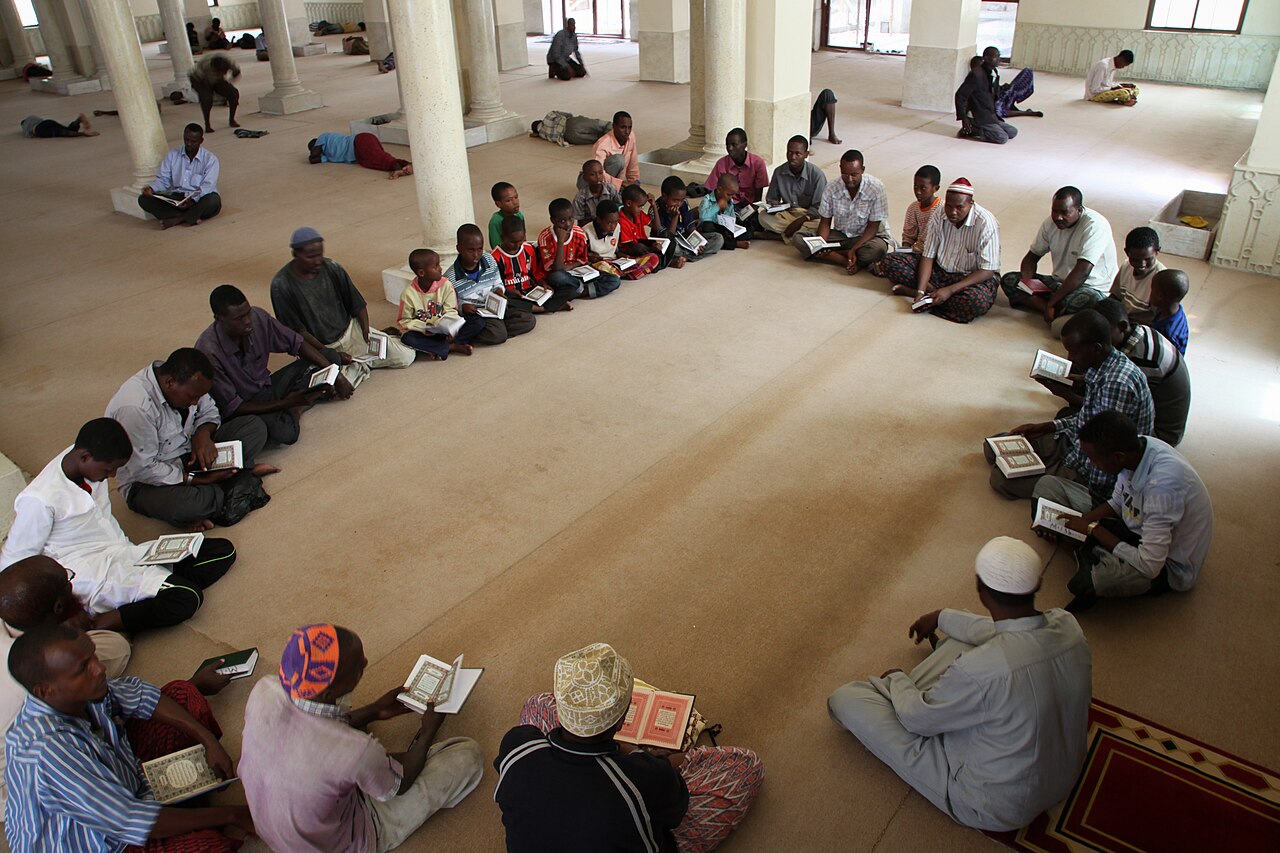
Photo: Jubair1985 / Wikimedia Commons (CC BY-SA 4.0)
Source: Ittefaq



Comments
(0)