
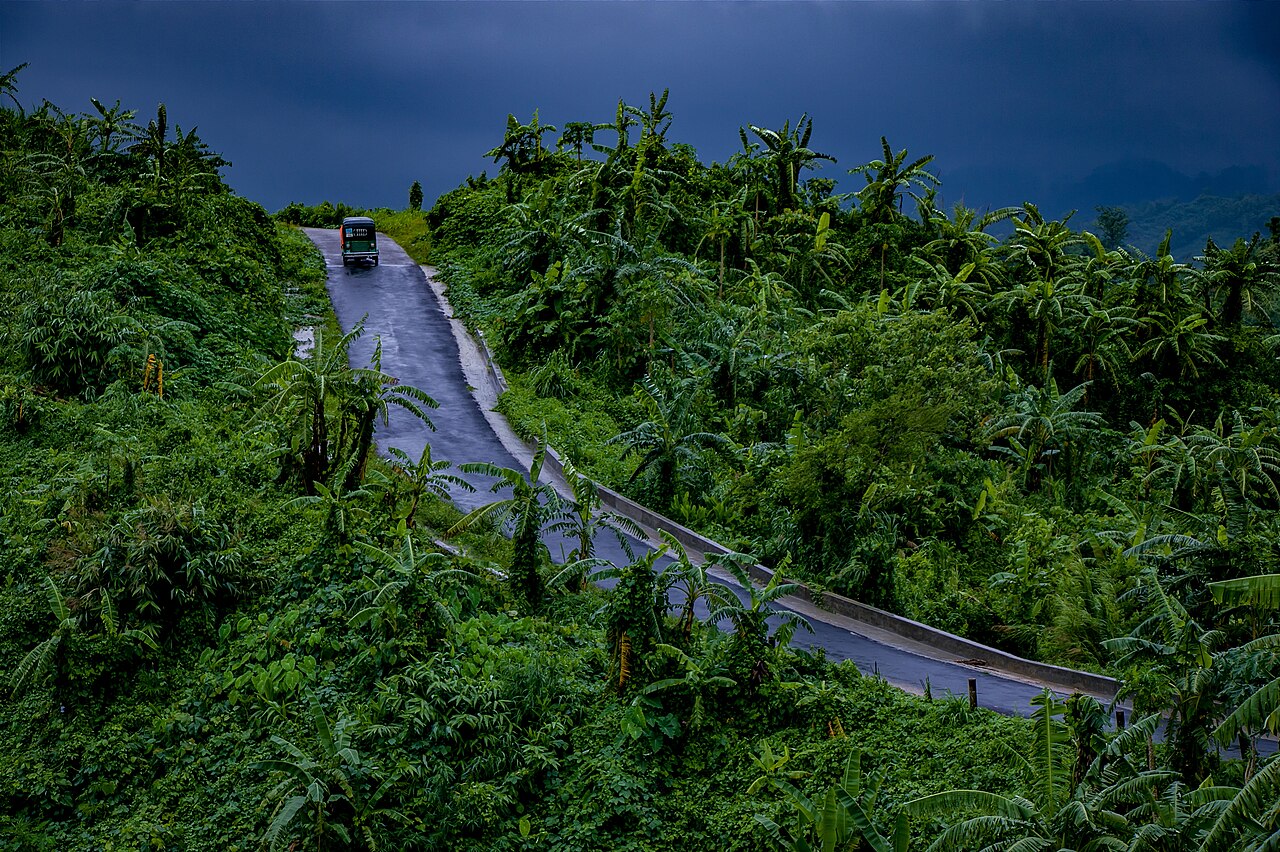
Rain, wind and the change of seasons can bring relief or, in storms and harsh weather, hardship. Banglanews24's Islam page has set out five supplications the Prophet Muhammad (peace be upon him) taught for such changes in the weather, asking Allah for good and seeking refuge from harm, with their hadith sources.
The piece cites Surah ar-Rum, verse 48, which says it is Allah who sends the winds that raise clouds from which rain falls, and Surah ash-Shura, verse 28, which says He sends down rain after people have despaired. In a hadith narrated by Abu Hurairah (Sunan Abu Dawud and Ibn Majah), the Prophet forbade cursing the wind, because it may carry both good and harm.
Aisha narrated that when clouds gathered, worry showed on the Prophet's face and eased only once rain began. Asked why, he recalled the people of 'Ad, who saw clouds and expected rain (Surah al-Ahqaf, verse 24), but the clouds were the herald of a destructive storm (Sahih Muslim).
The first supplication is for strong wind: "Allahumma inni as'aluka khairaha wa khaira ma fiha wa khaira ma ursilat bihi, wa a'udhu bika min sharriha wa sharri ma fiha wa sharri ma ursilat bihi", asking for the good of the wind and refuge from its harm (Sahih Muslim). The second is for gathering clouds: "Allahumma inna na'udhu bika min sharri ma ursila bihi", seeking refuge from the harm the clouds may bring (Sunan Ibn Majah).
The third is for drought: when a man asked during the Friday sermon, the Prophet raised both hands and said three times, "Allahumma aghithna", O Allah, help us with rain (Sahih al-Bukhari). The fourth is said when rain begins: "Allahumma sayyiban nafi'an", O Allah, make it beneficial rain (Sahih al-Bukhari). The fifth is for excessive rain: "Allahumma hawalaina wa la 'alaina", O Allah, around us and not upon us (Sahih al-Bukhari).
The piece notes that rain is the lifeblood of farming, the environment and biodiversity, and says it is every believer's duty, following the Sunnah, to pray for good, seek refuge from harm and remain grateful to Allah when the weather changes.
Photo: Nikseng / Wikimedia Commons (CC BY-SA 4.0)
Source: Banglanews24


Comments
(0)