
The holy month of Ramadan is still about 100 days away. Experts in the United Arab Emirates say that making small changes to sleep, meals, exercise and worship now, rather than at the last minute, makes it easier to adjust to long hours without food once fasting begins. Changing habits gradually gives body and mind time to settle into the new routine.
Sheikh Ayaz Housee, an imam and religious speaker at NGS in Dubai, said it is better not to try to build new habits of worship suddenly on the first day of Ramadan. He suggests praying the five daily prayers on time, reading a few verses of the Quran each day, and setting aside a fixed time to seek Allah's forgiveness. Anyone who missed fasts in the last Ramadan because of menstruation, illness or travel should, if possible, make them up before the next one, he said.
Swapna Mary John, a nutritionist at International Modern Hospital in Dubai, advises fixing meal times now, cutting unnecessary snacks and giving up heavy late-night meals. As Ramadan approaches, bedtimes and waking times can be moved gradually towards a routine that suits suhoor. She also recommends drinking water steadily through the day, eating less salty and processed food, and cutting caffeine slowly; stopping tea or coffee suddenly in Ramadan can bring headaches, tiredness and irritability.
She recommends daily meals with fibre, protein, fruit and vegetables. Suhoor can include oats, wholegrain bread, eggs, yoghurt, beans and vegetables, while an iftar of vegetables, protein and a moderate amount of grains stays balanced. Habits of eating many sweets, sugary drinks, fried food and frequent snacks should also be reduced step by step. The aim is not to eat less than the body needs but to build healthy habits.
Siddharth Jayamohan Unnithan, an orthopaedic specialist at NMC Specialty Hospital in Dubai, said there is no need to stop exercising to prepare for Ramadan. Brisk walking, cycling and light strength exercise can continue, but intensity should not be raised suddenly. During Ramadan, light exercise suits the time before iftar, while one to two hours after iftar is better for moderate or strength training. People with injuries or long-term illness should see a doctor before changing their routine.
The experts add that people with existing illnesses, those on regular medication and those with injuries should talk to a doctor before fasting. Dizziness, fainting, breathlessness, chest pain, a racing heartbeat, confusion or a severe headache while fasting should not be dismissed as normal; medical help should be sought quickly.
The report is from Barta24's Islam desk.
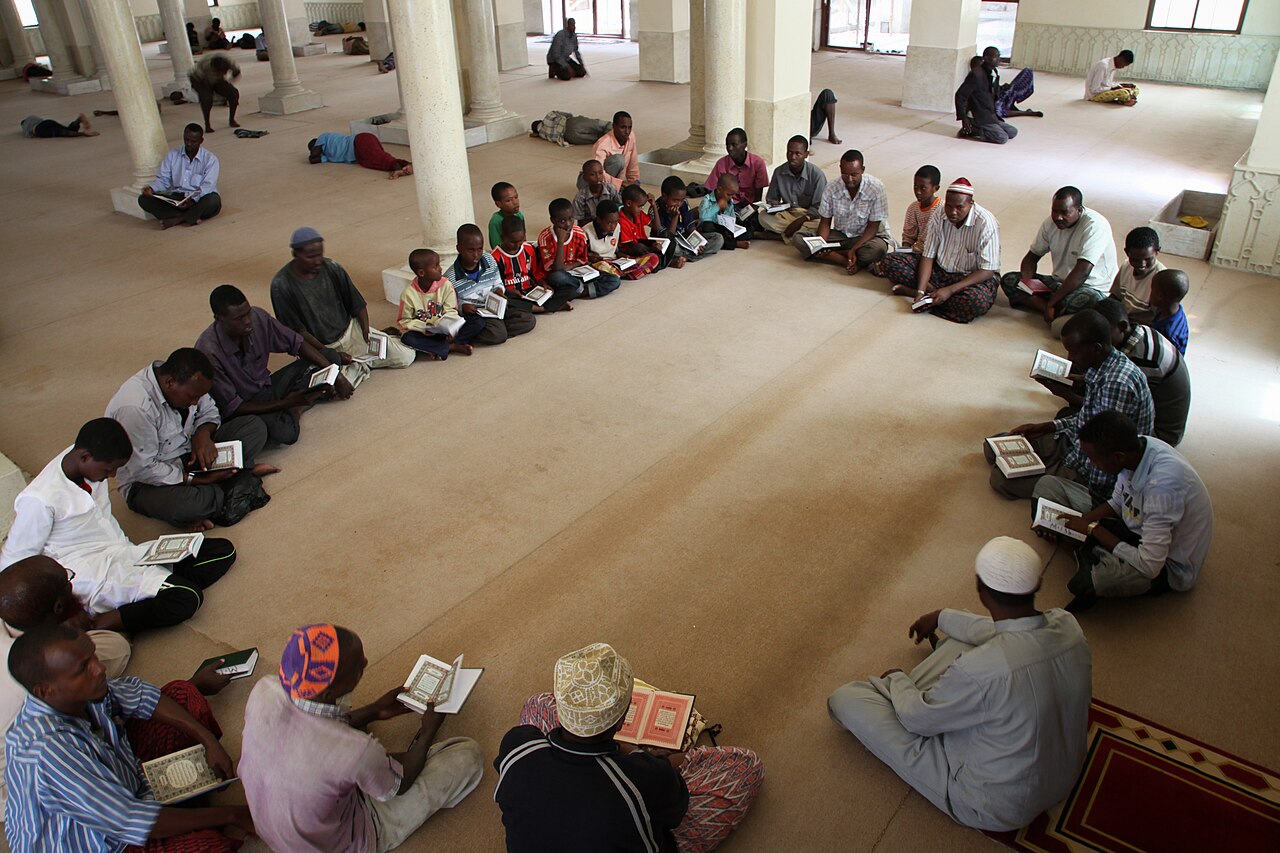
Photo: AMISOM Public Information / Wikimedia Commons (CC0)
Source: Barta24

Comments
(0)