
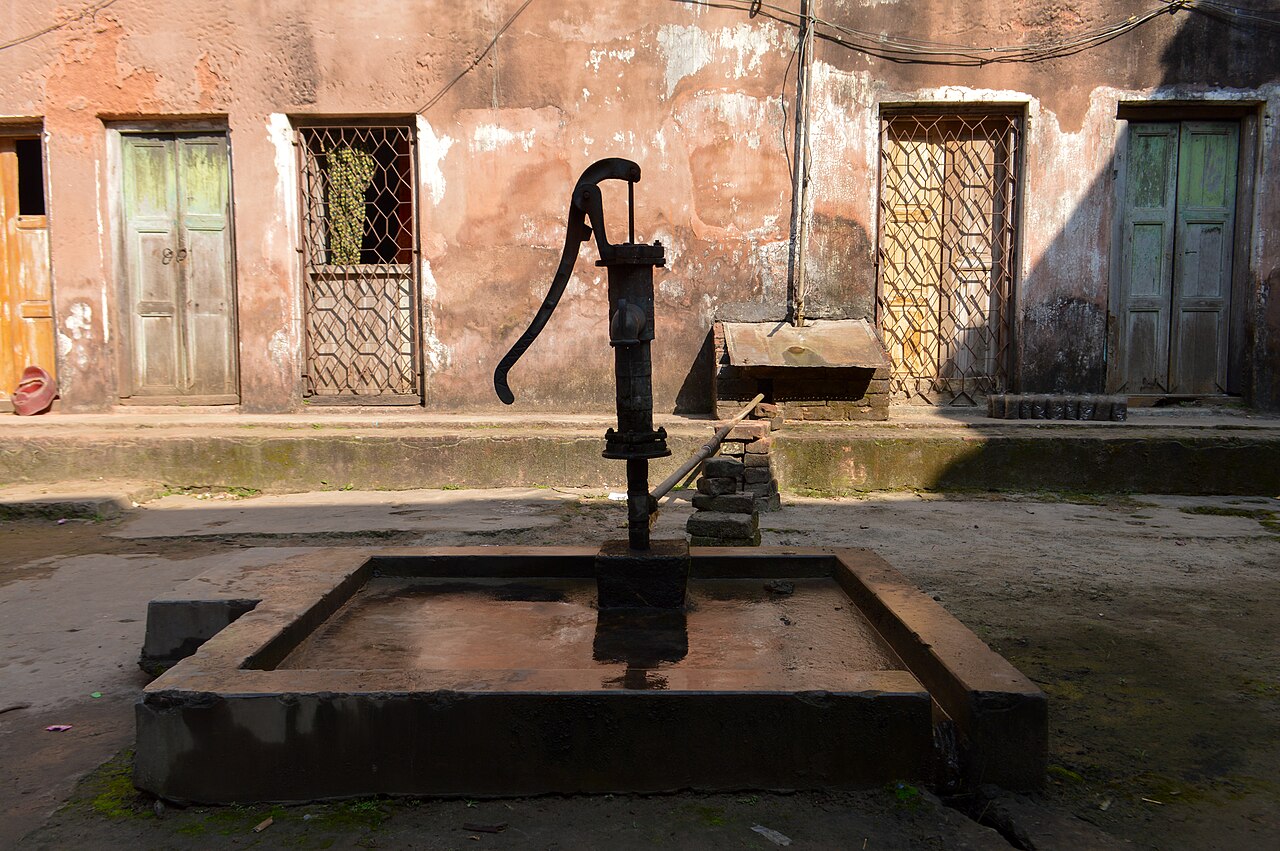
Mufti Muhammad Anisur Rahman Rizvi describes groundwater as one of Allah's wondrous provisions and a trust, and urges that it not be overdrawn or wasted. In a piece in the daily Desh Rupantor he quotes verse 18 of Surah al-Muminun, in which Allah says He sends down water from the sky in due measure, lodges it in the earth, and is able to take it away.
He recalls verse 30 of Surah al-Anbiya, which says every living thing was made from water. In the dry season the irrigation of boro rice and other crops depends heavily on groundwater, so a water shortage hurts farm output, food markets and livelihoods. His advice is to pump no more than is needed and to use modern, water-saving irrigation.
Rain and seepage from rivers, canals and ponds recharge the aquifers, he writes, but not equally everywhere: it depends on soil, rainfall and land use, and where recharge falls short of pumping the water table drops. Quoting verse 30 of Surah al-Mulk, which asks who would bring flowing water if it sank deep into the earth, he warns that unplanned urban growth, excessive irrigation and unchecked pumping are lowering water tables, leaving shallow tube wells dry and raising pumping costs.
Groundwater is not automatically safe, he cautions: arsenic in many areas and, in places, excess salt on the coast are public-health risks, so water should be tested, safe sources chosen and treatment used where needed. Filling in and encroaching on ponds, canals and beels narrows the paths by which water recharges the ground. Here he cites the hadith in Sahih al-Bukhari (2320) that whatever people, birds or animals eat from a tree a Muslim plants or a crop he grows counts as charity for him.
Recalling verse 31 of Surah al-Araf, which forbids waste in eating and drinking, and verse 27 of Surah al-Isra, which calls the wasteful brothers of the devils, he advises against wasting water in wudu, bathing, cooking and cleaning: not leaving taps running, not letting tanks overflow and quickly repairing leaking pipes.
Protecting groundwater, in his view, needs joint action by individuals, families, communities, local government and the state: harvesting rainwater, water-saving irrigation, controlling industrial waste, protecting water bodies and regularly monitoring water levels and quality, along with the right of poor people to safe water. Citing the hadith in Sahih Muslim (2699) that whoever relieves a believer's hardship will have his own hardship relieved by Allah on the Day of Judgement, he writes that easing people's water crisis is part of that public good.
Photo: Francisco Anzola / Wikimedia Commons (CC BY 2.0)
Source: Desh Rupantor


Comments
(0)