
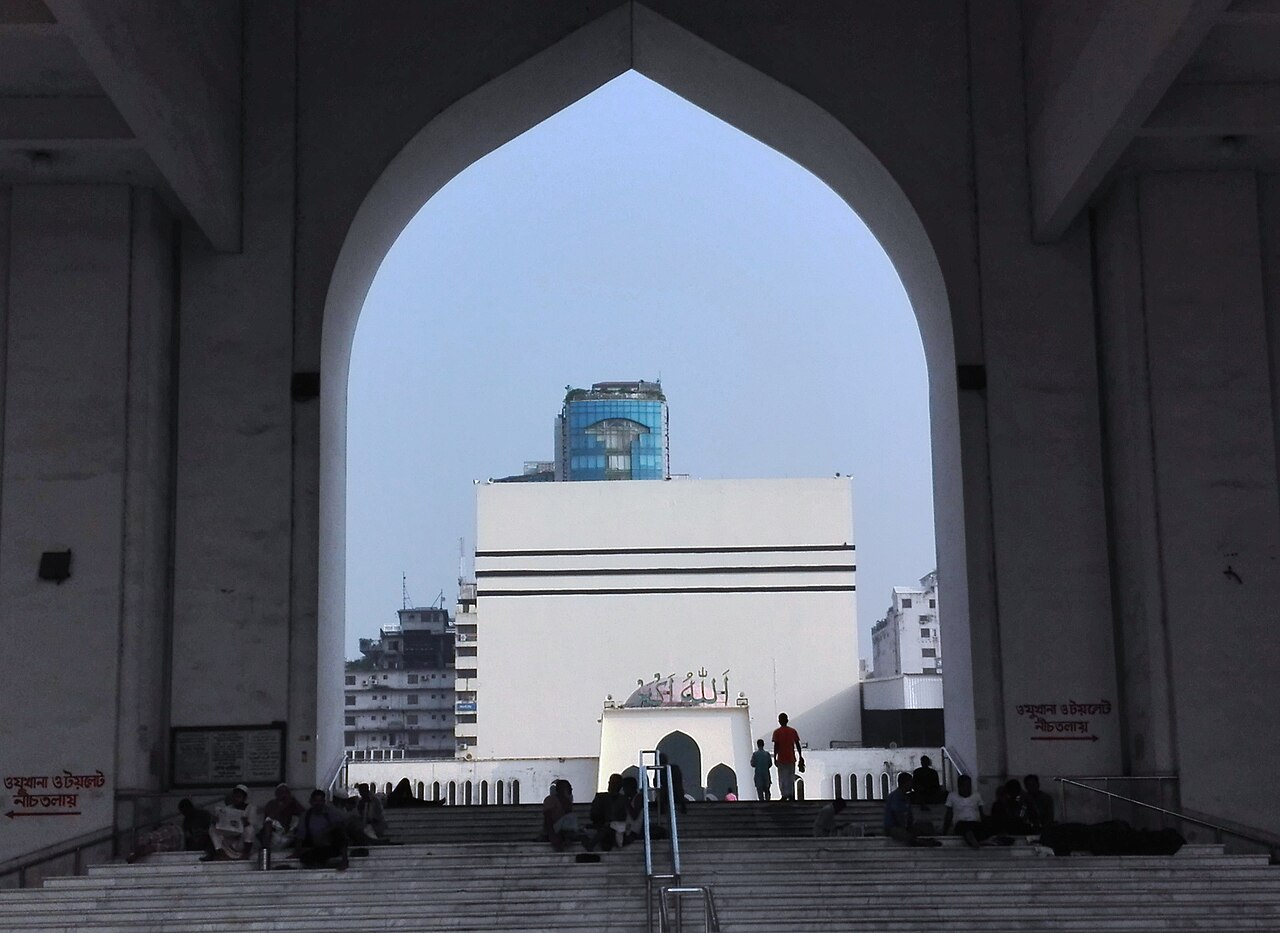
Earning more does not by itself bring peace of mind; in Islam barakah means finding enough good and contentment even in modest means, a blessing that comes from Allah. Prothom Alo's religion desk, citing the Quran and hadith, sets out five practices the Prophet Muhammad (peace be upon him) taught his followers for blessing in their earnings.
The first is keeping ties with relatives. Neglecting family or cutting ties on the excuse of being busy is described as a major reason for losing blessing in wealth and life. In a narration in Sahih al-Bukhari (hadith 2067), the Prophet said that whoever wishes his provision to be enlarged and his life lengthened should maintain ties of kinship.
The second is honesty in business and at work: not shirking duties and telling a buyer plainly about a product's faults and merits. A hadith in Sahih al-Bukhari (2079) says that when buyer and seller speak the truth and make things clear, their transaction is blessed, and when they lie and hide defects, the blessing of their trade is wiped out.
The third is istighfar, seeking Allah's forgiveness. Surah Nuh, verses 10-12, says that if people seek forgiveness, Allah will send abundant rain and support them with wealth and children. A narration in Sunan Abu Dawud (1518) adds that whoever makes istighfar a habit will be given provision from where he does not expect.
The fourth is charity. Common sense says giving reduces wealth, but in Sahih Muslim (2588) the Prophet said that charity does not decrease anyone's wealth. The fifth is work in the early morning. Sunan Abu Dawud (2606) records the Prophet's prayer, "O Allah, bless my community in their early mornings." Its narrator, the companion Sakhr al-Ghamidi, was a trader who sent out his goods early in the day and became wealthy.
The piece concludes that seeking a halal livelihood is itself an act of worship, and that with these practices and full trust in Allah, contentment can come even on a small income.
Photo: Ferdous / Wikimedia Commons (CC BY-SA 3.0)
Source: Prothom Alo



Comments
(0)