
Conventional economics teaches that the purpose of business is profit, or the highest possible return to shareholders. In the Islamic view of life, business is more than that: a way of serving society and adding to its welfare. A business that earns a fortune but damages the environment, sells adulterated goods or makes people's lives miserable has failed in its own purpose, says a piece by Prothom Alo's religion desk.
When a Muslim entrepreneur starts out intending to benefit people and to seek halal earnings honestly, the piece says, the business itself becomes worship. The Prophet (peace be upon him) said the truthful and trustworthy merchant will be with the prophets, the truthful and the martyrs in the hereafter (Sunan al-Tirmidhi, hadith 1209).
The first path to barakah it describes is standing by people even at a cost. The hardest part of running a business is keeping ihsan (excellence in conduct) and adl (justice) in daily dealings. If a contract worker is disabled in an accident, the law may not require extra payment, but a believing entrepreneur keeps supporting him out of a sense of duty. The Quran says: "Indeed, Allah commands justice, excellence, and giving to relatives" (Surah An-Nahl, verse 90).
The second is honesty in hiring. Islam puts weight on both competence and integrity, a principle the Quran states through the words of the Prophet Shu'aib's daughter in Surah Al-Qasas, verse 26: the best person to hire is the one who is strong, meaning capable, and trustworthy.
The third is a dignified farewell. When an employee has to be let go, the piece calls it an act of real humanity to part with respect rather than dismiss them suddenly, and to give them a set time and the chance to find new work.
The piece also cites the morning supplication the Prophet taught for blessing in earnings: "O Allah, I ask You for beneficial knowledge, good and lawful provision, and accepted deeds" (Sunan Ibn Majah, hadith 925).
It closes by urging readers to build a "barakah culture" at work, of principle, trustworthiness, kindness to employees and social welfare, rather than chasing material gain alone.
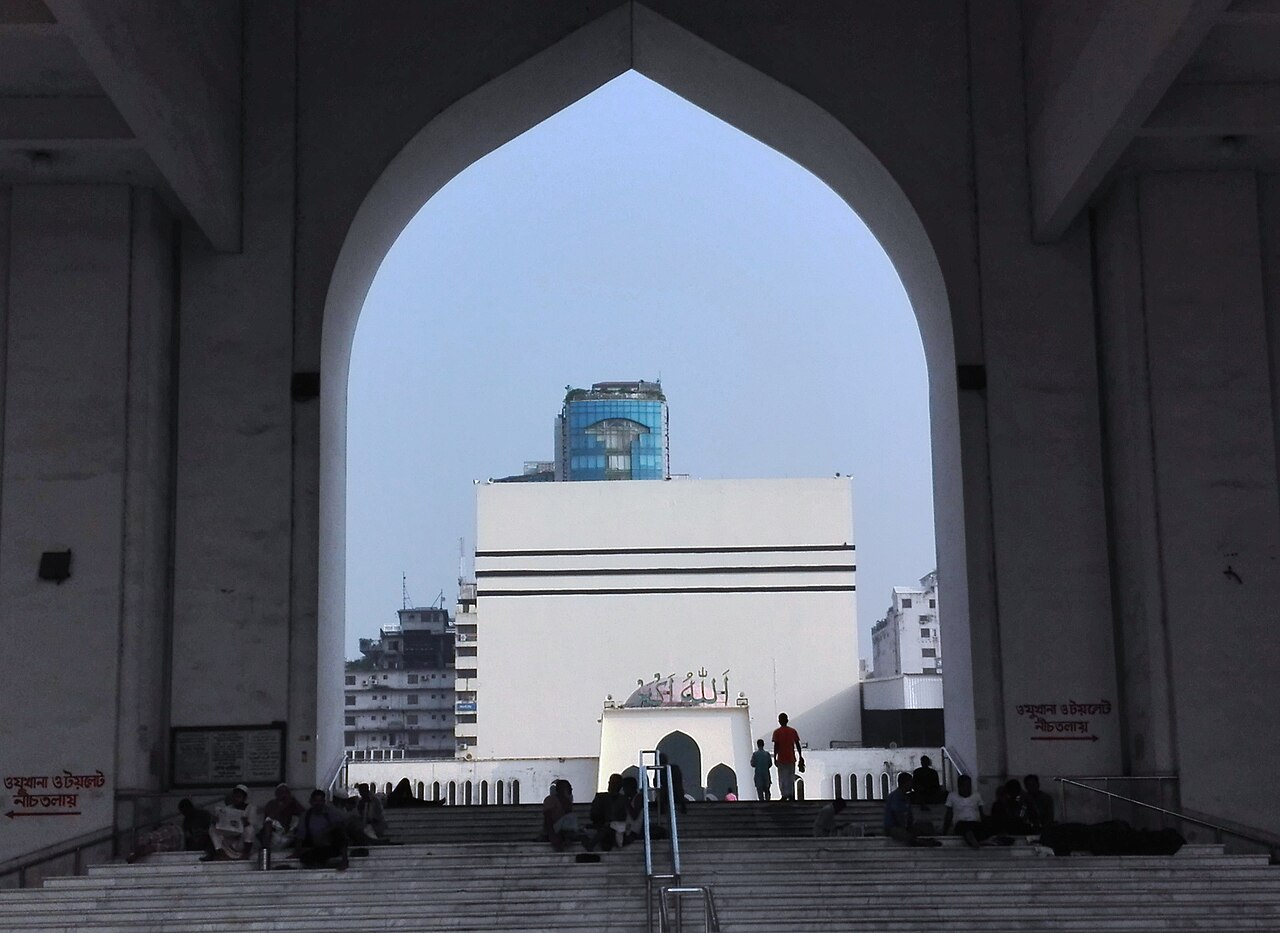
Photo: Baitul Mukarram mosque, Dhaka, Ferdous / Wikimedia Commons (CC BY-SA 3.0)
Source: Prothom Alo


Comments
(0)