
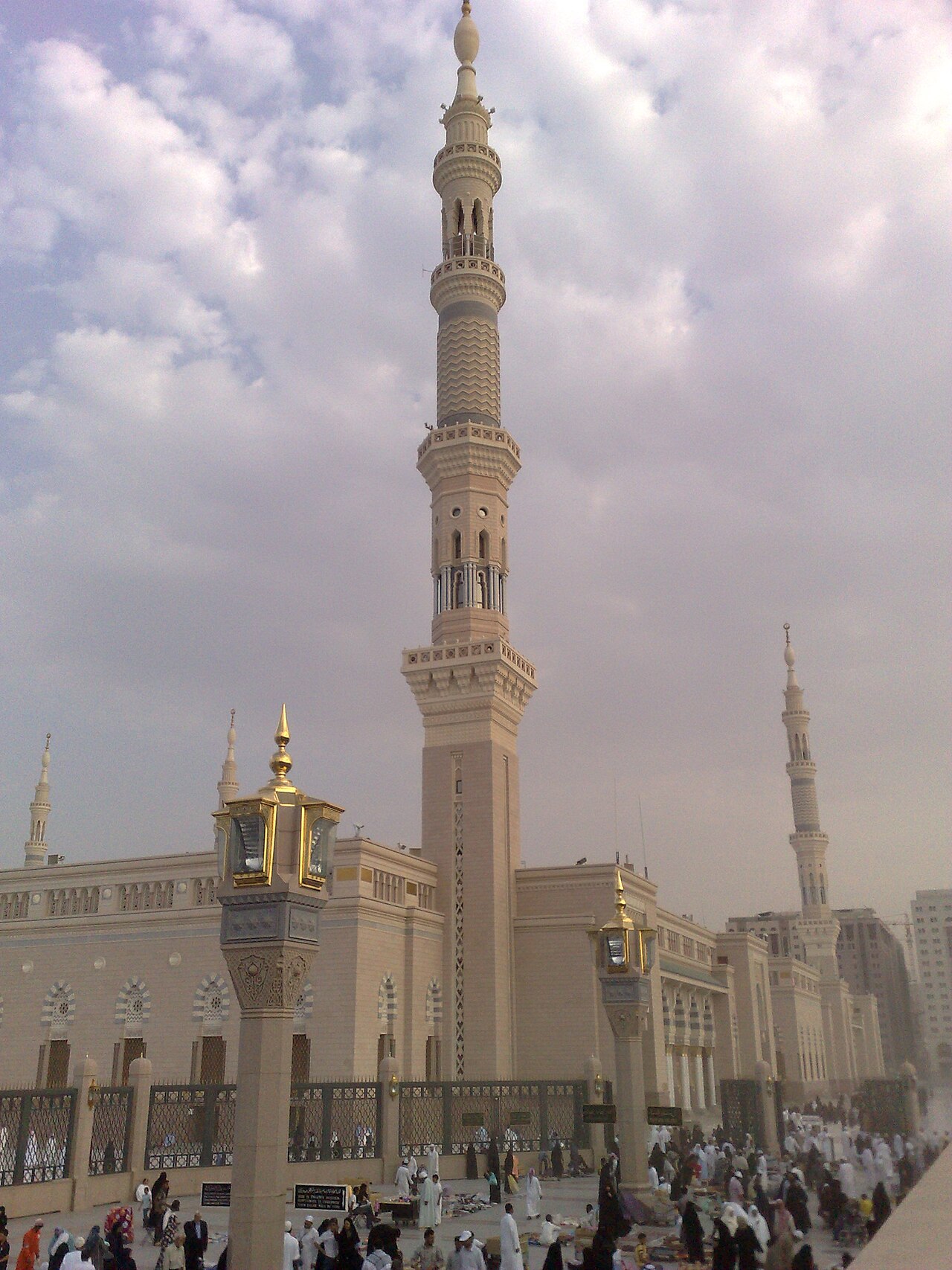
In pre-Islamic Arabia poets wielded great power: one poem of praise could raise a tribe, one satire could ruin a life. Many of them dealt in lies, obscenity and arrogance, and the Quran criticises them: 'And the poets, only the deviators follow them.' (Surah Ash-Shu'ara, verse 224) Yet the Prophet (peace be upon him) had a pulpit set up in the Prophet's Mosque in Medina for the poet Hassan ibn Thabit.
Prothom Alo's religion desk explains that the criticism is not of all poets. It was aimed at the poets of the Jahiliyya who sang the praises of idols, mocked Islam and Muslims, and wrote for or against anyone for money and tribal pride, as Ibn Kathir explains in his Tafsir al-Quran al-Azim.
A few verses later the Quran exempts believing poets: 'Except those who believe, do righteous deeds, remember Allah often and defend themselves after they were wronged.' (Surah Ash-Shu'ara, verse 227) Imam al-Qurtubi wrote that poetry and literature are never forbidden in themselves, and when used to win the rights of the oppressed and establish the truth they take on the merit of worship.
When the Meccan unbelievers began attacking him in verse, the Prophet asked the poets of Medina to answer. Hassan ibn Thabit, Ka'b ibn Malik and Abdullah ibn Rawaha were the three foremost poets of his circle, and he told Hassan: 'Answer them in verse, and Jibril is with you.' (Sahih al-Bukhari, hadith 3213)
On the power of poetry the Prophet said: 'Some poetry contains wisdom.' (Sahih al-Bukhari, hadith 6145) Ibn Hajar al-Asqalani wrote that poetry is a medium like ordinary speech: good when it calls to truth, justice and welfare, to be shunned when it spreads obscenity and falsehood.
So the Quran's criticism is of those who spread falsehood in the name of art, while the honour the Prophet gave believing poets recognised their artistic defence of truth and the common good.
Explainer by Prothom Alo's religion desk.
Photo: The Prophet's Mosque (Al-Masjid an-Nabawi), Medina, Mondephile / Wikimedia Commons (CC BY-SA 3.0)
Source: Prothom Alo

Comments
(0)