
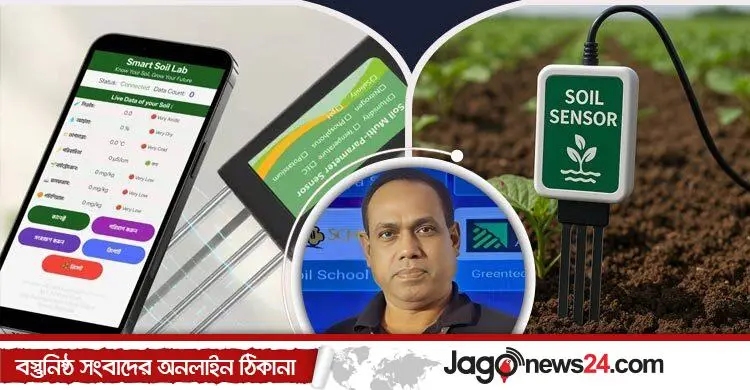
Soil sensors are one of the most important components of modern precision agriculture. They measure the physical, chemical and biological properties of soil in real time, helping farmers make science-based decisions. Typically they measure moisture, temperature, pH, electrical conductivity (EC), nitrogen, phosphorus and potassium, and organic matter. When the data is sent to the cloud through Internet of Things (IoT)-enabled devices, Artificial Intelligence (AI) or data analytics can set irrigation, fertiliser and disease prevention strategies.
Accurate moisture data shows a plant's water needs and improves water-use efficiency through evapotranspiration models; pH and EC sensors measure acidity and salinity, which affect nutrient uptake; and nutrient sensors show what is available to plants, cutting unnecessary fertiliser and reducing soil degradation and pollution.
How IoT soil testing works
Sensors are installed in the soil and collect data on pH, moisture, temperature, EC, NPK, organic matter and other parameters, which is sent over an IoT network to a mobile app or dashboard for immediate analysis. Unlike traditional testing once a year, IoT sensors can update data every minute or hour, which the writer describes as revolutionising soil management.
Why the technology is needed
- **Precise soil management:** real-time detection of nutrient shortages or excesses allows the right fertiliser at the right time and dose.
- **Irrigation efficiency:** moisture in the root zone is reported instantly, preventing water waste, protecting crops in drought and enabling automatic control of drip or smart irrigation.
- **Salinity monitoring:** in Bangladesh's south, where salinity is high, EC readings show changes instantly, guiding crop choice and management.
- **Organic matter and soil biology:** modern sensors can measure organic matter and sometimes indirectly microbial activity, building long-term soil health indicators.
- **Planning and forecasting:** analysing sensor data with AI can forecast yields, disease risk and soil stress.
- **Sustainability:** less excess fertiliser and water, lower emissions and long-term fertility.
Soil sensors overcome the limits of manual soil testing and help farmers decide when to irrigate, which fertiliser to use and how much, and which crop suits which field. The writer concludes that they are not just a device but a driving force of precise, data-based farming.
Source: Jagonews24. First published in Bengali on The Agro News.
Comments
(0)