
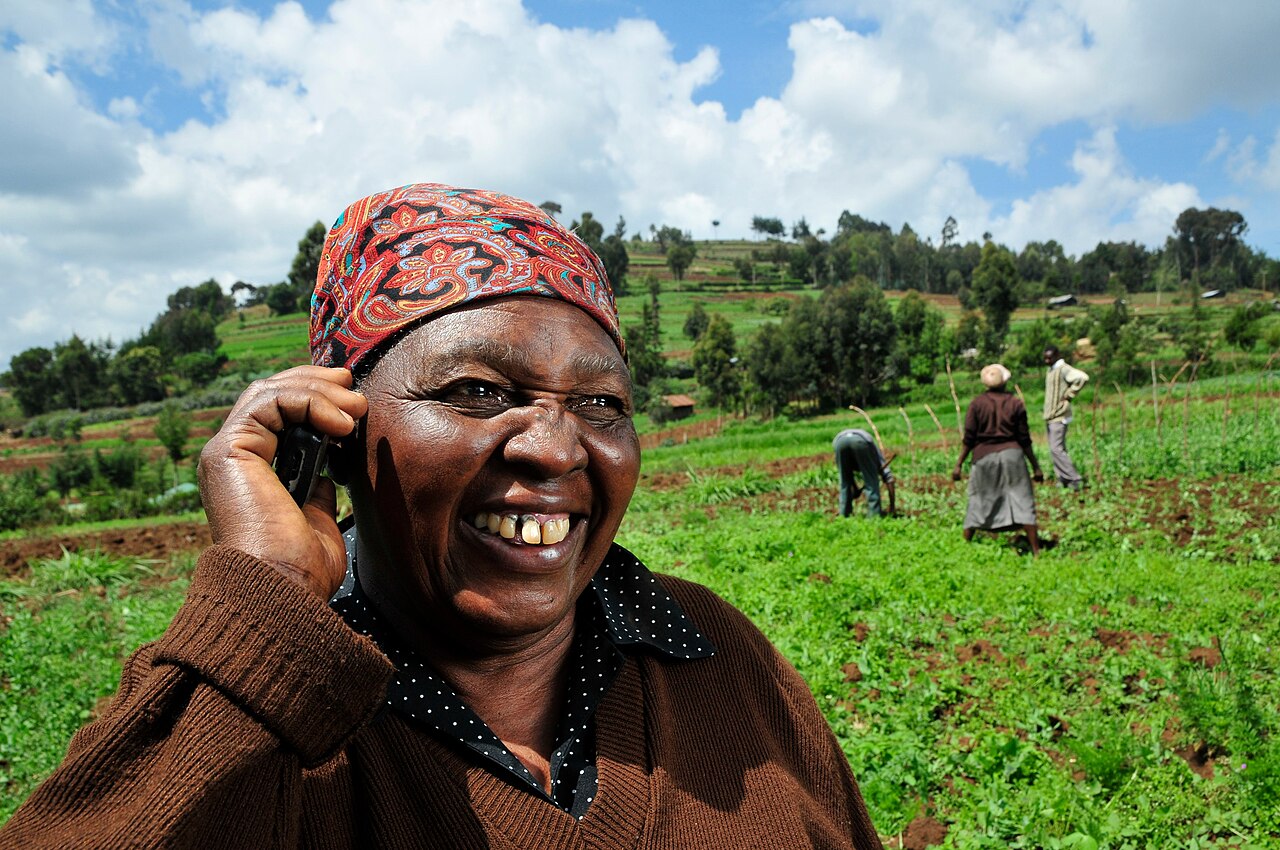
More than 32,000 rural households in Bangladesh, Bolivia, El Salvador, Guatemala, Honduras and Peru now use digital tools built by 15 technology startups to reach markets and financial services, manage crops, trace their products and farm more sustainably, IFAD and the German Sparkassenstiftung for International Cooperation (DSIK) said on 14 October.
The tools came out of Innovatech 2.0, funded by IFAD and the European Union and implemented by DSIK, which between 2024 and 2026 connected startups with 811 rural organisations. Nearly 17,000 women, more than 11,300 young people and 8,300 Indigenous people took part. After a first edition in Latin America and the Caribbean in 2021-2023, this round expanded to Bangladesh for the first time.
The solutions include platforms linking producers with buyers, crop-management, data and traceability tools, savings and loan services designed for small producers, and digital training. In Honduras, startup Terra Kaape Digital digitised the accounts of the CRACAUSI rural savings and credit association. "We can now process a transaction and immediately provide account statements, which builds greater trust among our members," said its president, Reyna Medina. Two in three participating organisations also adopted agroecological practices such as bio-inputs and efficient water use.
"Rural areas do not need technology for technology's sake," said Innovatech director Christina Olsen. "We start with demand and then bring startups and producers together." Across both editions about 30 companies adapted their tools, reaching more than 1,000 producer organisations and over 50,000 households. Enrique Hennings, IFAD's lead specialist for ICT for development, said the next step is to scale the model up and explore turning it into a long-term financing mechanism.
Photo: CIAT / Wikimedia Commons (CC BY-SA 2.0)
Source: IFAD
Comments
(0)