
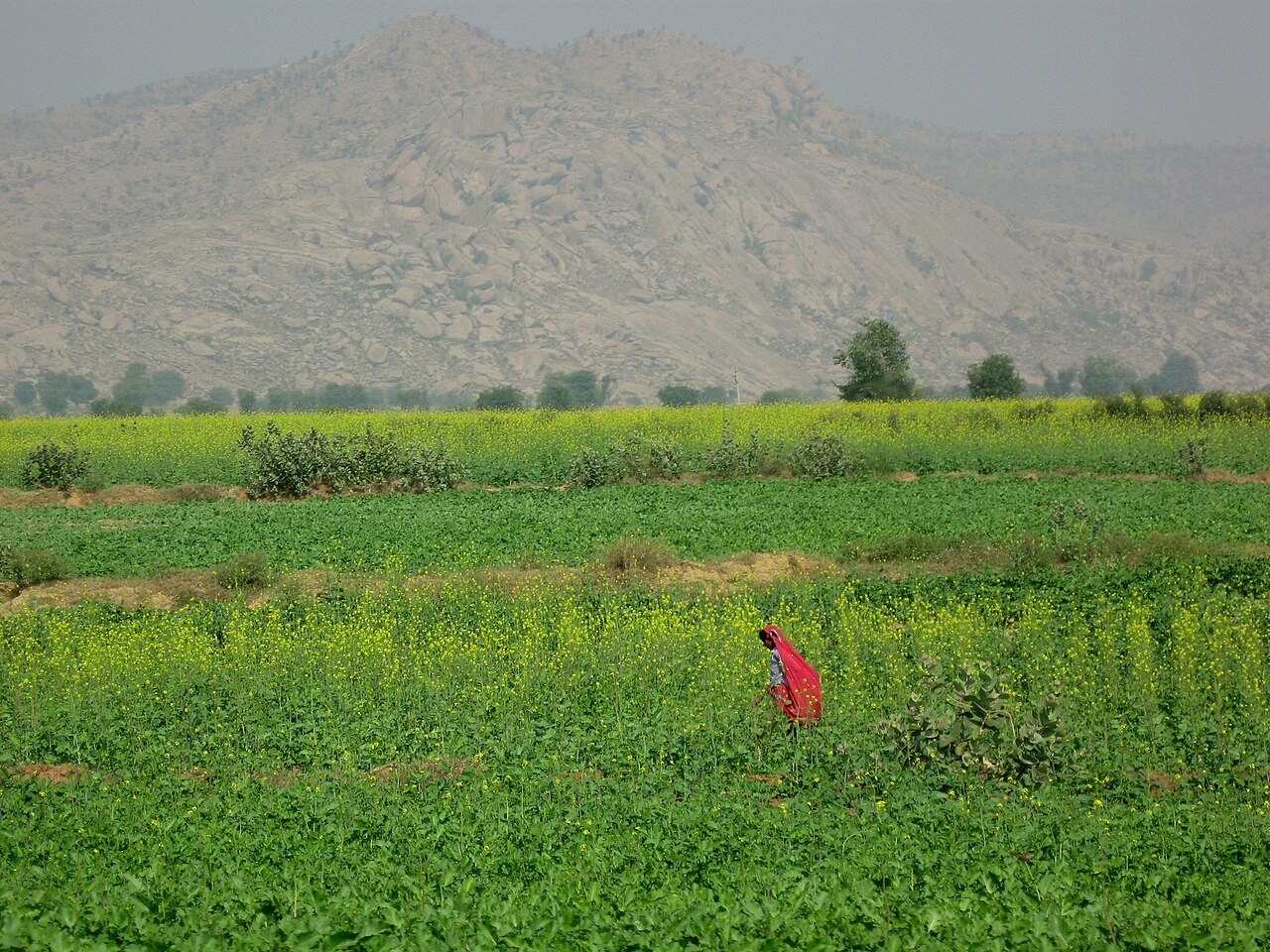
Mustard sowing in India is running far behind last year: rapeseed and mustard had been sown on just 2.05 million hectares by 30 October, against 3.807 million hectares by the same date a year earlier, a fall of 46.16 percent, according to data on the agriculture ministry's UPAg portal reported by Rural Voice. Total sowing of all rabi crops was 43.5 percent below last year.
The slow start comes despite high prices. Mustard has recently sold for between Rs 7,600 and Rs 9,300 a quintal in Rajasthan's mandis, well above the minimum support price of Rs 6,613 a quintal for this rabi season, up from Rs 6,200. Sowing is expected to pick up after recent rains.
Rajasthan, the largest producer, has sown 891,000 hectares against 2.206 million at this time last year, down 59.61 percent. In Uttar Pradesh, the second-largest, acreage is 1.038 million hectares against 1.333 million, down 22.19 percent. Haryana is furthest behind, at 60,000 hectares against 215,000, a fall of 72.09 percent. Uttarakhand and Chhattisgarh have 4,000 hectares each against 5,000, and Assam 4,000 against 13,000. West Bengal is the exception, with 37,000 hectares against 23,000 last year.
Mustard is the main rabi oilseed: of the five-year average of 9.076 million hectares under all rabi oilseeds, rapeseed and mustard account for 8.278 million. All oilseeds together had reached 2.097 million hectares by 30 October, 45.7 percent below last year's 3.862 million. Groundnut bucked the trend, rising to 25,000 hectares from 15,000, an increase of more than 62 percent, against a five-year average of 398,000 hectares.
Other crops are also lagging. Wheat had been sown on only 19,000 hectares against 334,000 a year earlier, a fall of 94.22 percent. Coarse cereals were down 10.4 percent at 378,000 hectares, and pulses were 51.7 percent behind at 945,000 hectares against 1.95 million.
The figures are a snapshot as of 30 October, early in the rabi season, and the ministry data show how much ground the main oilseed and cereal crops still have to make up.
Reporting by Rural Voice.
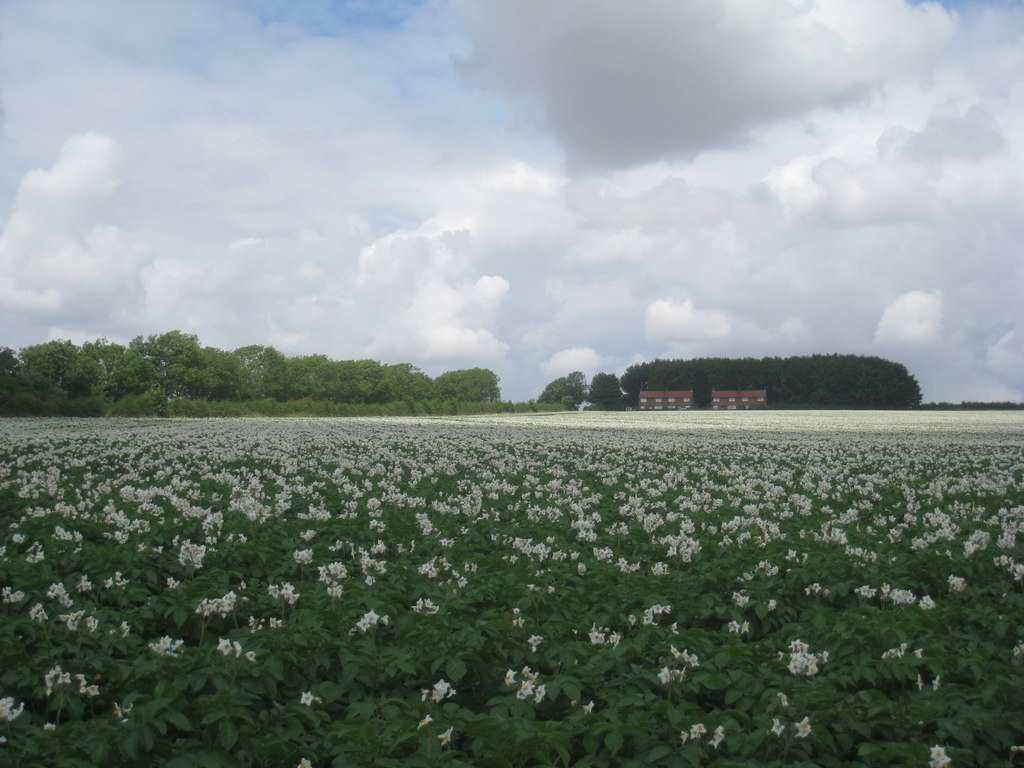
Photo: Trees ForTheFuture / Wikimedia Commons (CC BY 2.0)
Source: Rural Voice
Comments
(0)