
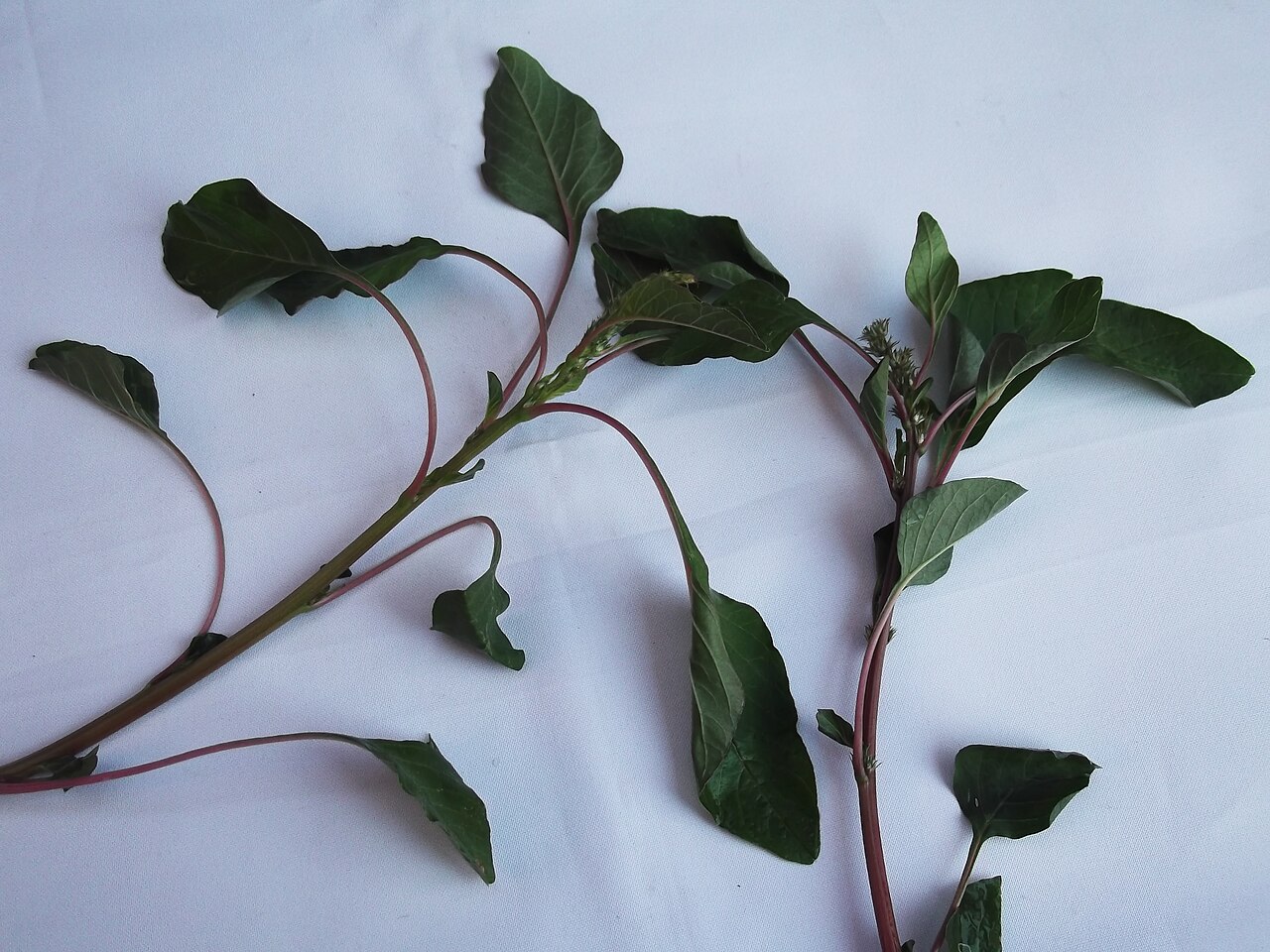
Herbicide resistance in weeds is a growing problem in South Africa, particularly in no-till grain farms that depend on chemical weed control, with common pigweed, Palmer amaranth, ryegrass and fleabane among the species already resistant, Farmers Weekly reported. Palesa Mmereki, a molecular biologist at the Agricultural Research Council (ARC), explained that repeated spraying kills susceptible weeds but leaves the few with genes that let them survive, and those survivors pass resistance to the next generations.
Professor Juan Vorster of the University of Pretoria, co-leader of the South African Herbicide Resistance Initiative, said farming practice plays a large part: overreliance on glyphosate, little rotation of herbicides and systems that depend almost entirely on chemicals. Of the 49 countries in sub-Saharan Africa only three have reported herbicide resistance, which he believes reflects a shortage of weed scientists rather than a small problem.
Hotspots are already known. Glyphosate-resistant common pigweed (Amaranthus hybridus) has been found around Winterton and Bergville in KwaZulu-Natal, and in Gauteng, Mpumalanga and the Free State populations resistant to glyphosate and ALS-inhibiting herbicides are a growing problem around Delmas, Standerton, Reitz, Heilbron and Bethlehem, in maize, soya bean, dry bean and sunflower. Palmer amaranth, mainly in the Northern Cape, North West and Limpopo, is a glyphosate problem in cotton, maize and soya. In the Western Cape, ryegrass resists glyphosate and paraquat in wheat and canola, and resistance to atrazine, first found in 1990, is appearing again.
The weeds spread quickly. Vorster said resistance can develop in as few as three generations, for example where field edges receive only sublethal spray drift. Harvesters, muddy vehicles, birds, livestock and wind carry seed between farms, and South Africa has no phytosanitary rules on moving farm machinery. A single Amaranthus plant can produce 300,000 to 400,000 seeds, about 80 percent of which can germinate in the first year, while seed stays viable for up to three years, so preventing seed set matters as much as killing the weeds in the crop.
The clearest warning, Vorster said, is when some weeds of a species survive a spray while their neighbours die, though farmers should first rule out spraying plants that had grown too large. Greenhouse testing of seed from suspect plants takes six to eight weeks, Mmereki said; DNA tests are faster but cannot yet detect non-target-site resistance in South Africa.
For grain growers who rely on one or two herbicides, the scientists' message is to rotate herbicides with different modes of action and treat a handful of survivors as the start of a costly problem.
Reporting by Lindi Botha for Farmers Weekly.
Photo: Yercaud-elango / Wikimedia Commons (CC BY-SA 4.0)
Source: Farmers Weekly South Africa


Comments
(0)