
India may bring back restrictions on exports of 100 percent broken rice as international prices pass $360 a tonne, the Indian Rice Exporters' Federation (IREF) has warned, citing competition between overseas buyers and domestic industries including ethanol makers and poultry-feed producers, the Economic Times reported from a PTI despatch. No new restriction has been announced.
Domestic prices are rising. According to the Department of Consumer Affairs, the all-India average wholesale price of broken rice rose 5.3 percent to Rs 3,036 a quintal on 2 November from Rs 2,883 on 10 October, and wholesale price inflation for broken rice accelerated to 5.38 percent year on year in September from 4.37 percent in August.
"Broken rice has become an important industrial raw material for ethanol manufacturing, poultry feed and several other industries," said Vinod Kaul, director general of IREF. "If this trend continues, the possibility of restrictions on broken rice exports cannot be ruled out." India's ethanol-blending programme has raised demand for grain feedstocks, including broken rice, maize and surplus rice from the Food Corporation of India; distilleries also buy on the open market, competing directly with feed makers and exporters.
There is a precedent. India banned broken rice exports in September 2022 over domestic supply concerns and kept the ban until 7 March 2025. Overall supply is comfortable, with rice production estimated at a record 154.02 million tonnes in 2025-26, up from 150.18 million, and exports of about 21.57 million tonnes in the fiscal year, but broken rice, produced during milling, has its own supply and demand. IREF also noted that elections in five states in 2027 could sharpen the government's focus on food prices.
The federation advised exporters to be careful with forward contracts and to watch domestic prices, mill arrivals and ethanol demand, and urged the government to consult the industry and protect existing contracts, letters of credit and committed shipments if it acts.
Any intervention must balance domestic needs with the interests of farmers, millers and exporters, Kaul said, adding that predictable policy and protection of existing commitments are essential to India's credibility as a dependable rice supplier.
Reporting by PTI, published by the Economic Times.
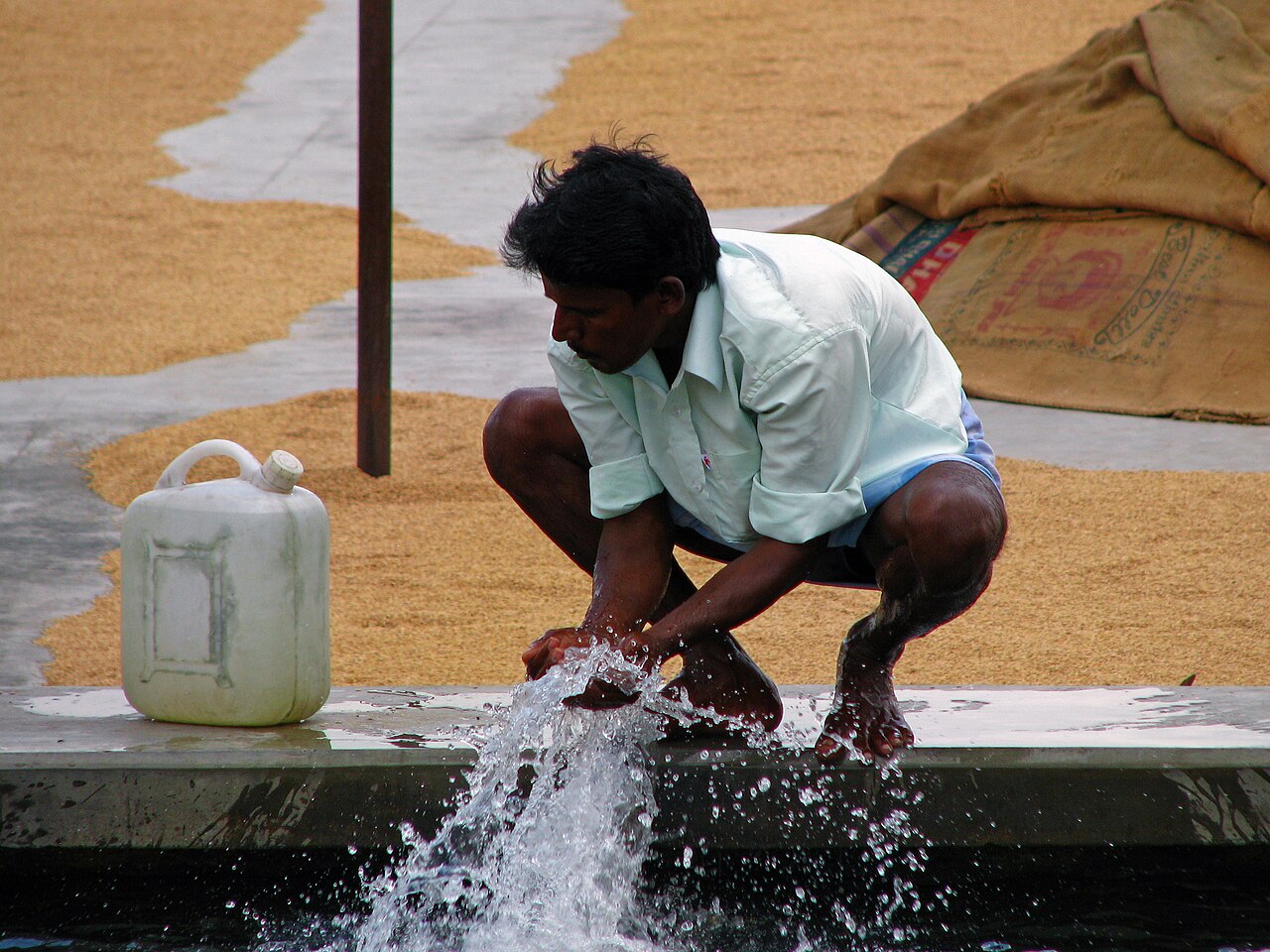
Photo: McKay Savage / Wikimedia Commons (CC BY 2.0)
Source: Economic Times Agriculture/Food


Comments
(0)