
South African farm groups have urged their government to keep negotiating with the United States after Washington moved to end the country's participation in the African Growth and Opportunity Act (AGOA), while stressing that the loss of preferential terms would not shut South African produce out of the US market, Farmers Weekly reported.
US Trade Representative Jamieson Greer announced on 2 November that President Donald Trump had notified Congress and the governments of South Africa and Rwanda of his intention to terminate both countries' participation, saying they were "engaging in practices that are inconsistent with AGOA's eligibility criteria". The US cited barriers to US trade and investment, corruption and threats to US national security and foreign policy interests in South Africa.
Wandile Sihlobo, chief economist at Agbiz and the presidential envoy on agriculture and land, said losing AGOA would add ordinary most-favoured-nation duties to products that had been exempt, on top of other US tariffs. He estimated an average increase of around 3.4 percentage points; a current 12.5 percent tariff on some farm products, for example, could rise to 15.9 percent. AgriSA added that the effect would differ from product to product and that exporters need clear guidance on tariff classifications, exemptions, timing and shipments already contracted or in transit.
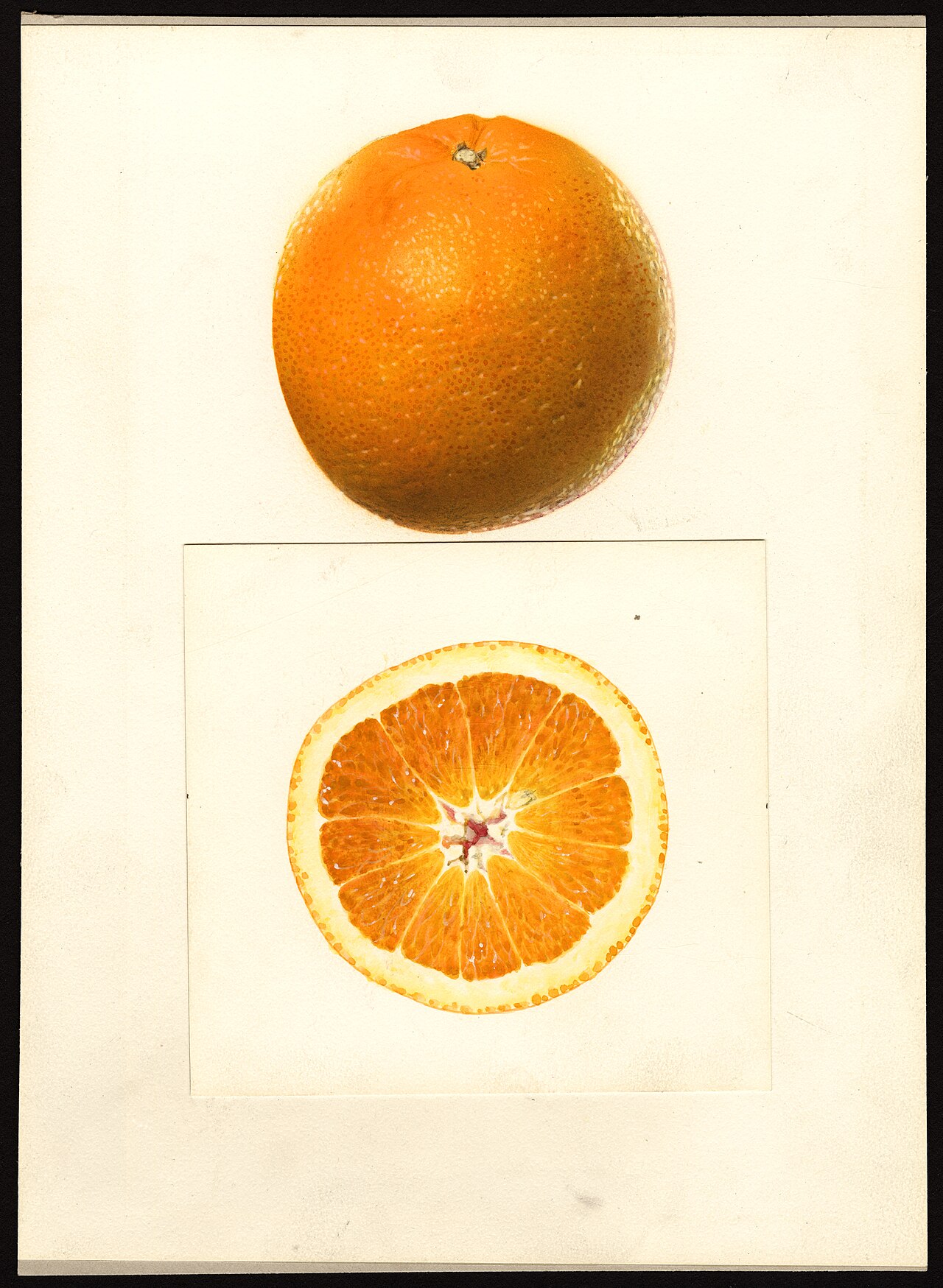
Sihlobo put South Africa's agricultural exports to the US at $504 million (about R9 billion) in 2025, down 3 percent on the year before and about 4 percent of the country's total farm exports. Citrus, berries, grapes, raisins, wine, fruit juices, apples, pears, apricots and nuts are the main products. Exports to the US fell 11 percent year on year to $144 million in the third quarter of 2025 and a further 39 percent to $81 million in the fourth, after some exporters rushed shipments out during a temporary tariff reprieve in the second quarter.
AgriSA warned that continued market access does not mean every exporter will stay profitable, and that neither predictions of a closed market nor promises of a negligible impact describe the position of individual industries. Packhouse workers and rural economies that depend on fruit exports are among those exposed, the organisation said.
Reporting by Hanlie du Plessis for Farmers Weekly.
Photo: Royal Charles Steadman / Wikimedia Commons (Public domain)
Source: Farmers Weekly South Africa


Comments
(0)