
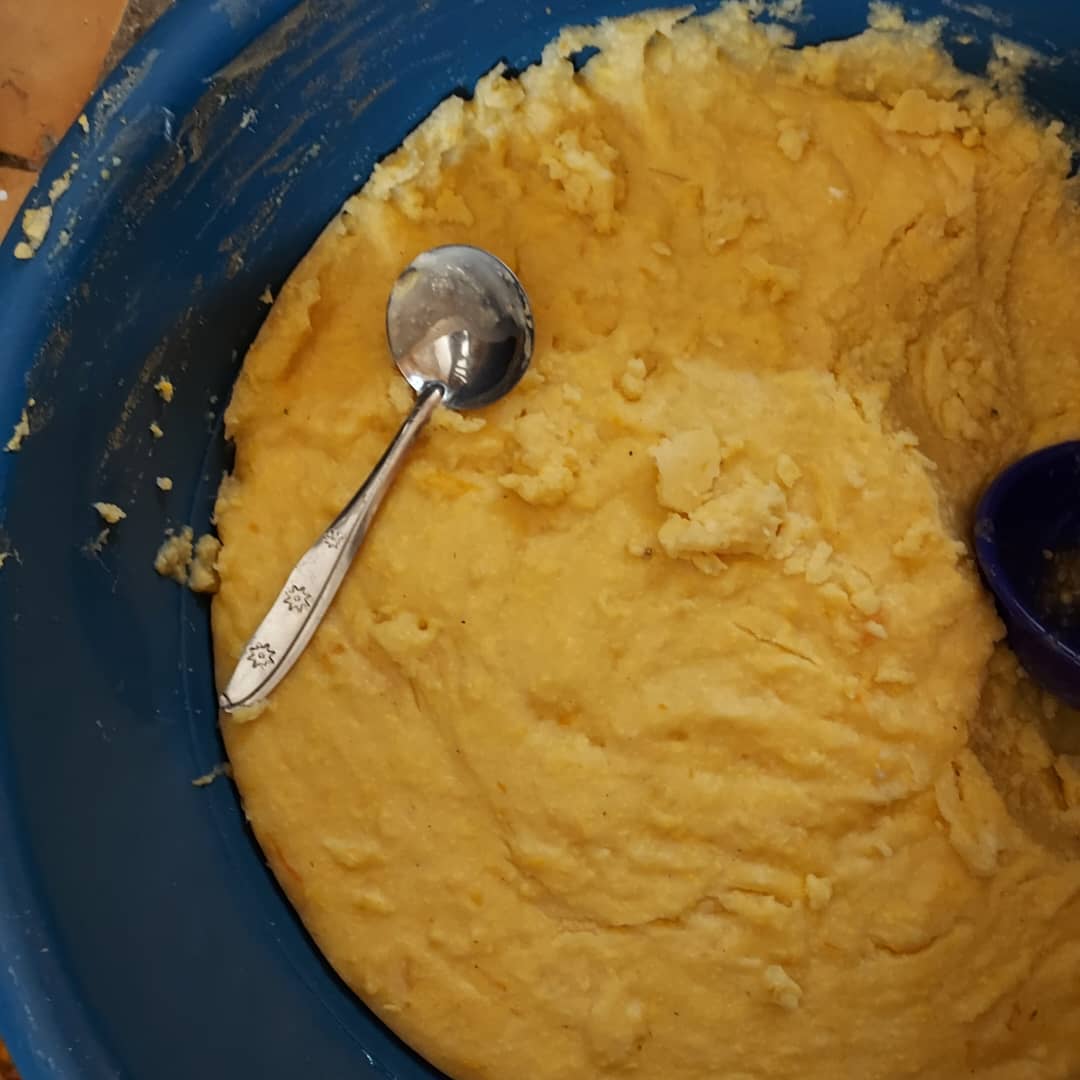
The Government of Sierra Leone has contributed SLE 158.4 million, about $6.6 million, to its National School Feeding Programme through the Ministry of Basic and Senior Secondary Education, the World Food Programme (WFP) said. The money will provide daily hot, nutritious meals to more than 276,000 schoolchildren during the 2026/2027 school year.
"Through the National School Feeding Programme, we are helping learners stay in school, improving education outcomes, and creating opportunities for local farmers and communities," said Conrad Sackey, Minister of Basic and Senior Secondary Education.
WFP will continue to support the programme with technical, operational and logistical help. In line with the government's Feed Salone strategy, the partnership will also promote buying food locally from smallholder farmers, to strengthen rural economies and farm livelihoods.
The programme has a track record to build on. In the 2025-2026 school year more than 257,000 children in over 1,200 schools received daily hot meals through the home-grown school feeding programme run jointly by WFP and the government, which also created market opportunities for more than 22,000 smallholder farmers, WFP said.
"By investing in school meals, Sierra Leone is investing in its children and its future," said Andrew Odero, WFP's representative and country director in Sierra Leone, adding that WFP's aim is a sustainable, nationally owned programme.
Home-grown school feeding links two problems at once: children who learn better when they are fed, and small farmers who need a steady buyer for what they grow.
Photo: ODC-SIERRA-LEONE / Wikimedia Commons (CC BY-SA 4.0)
Source: WFP

Comments
(0)