
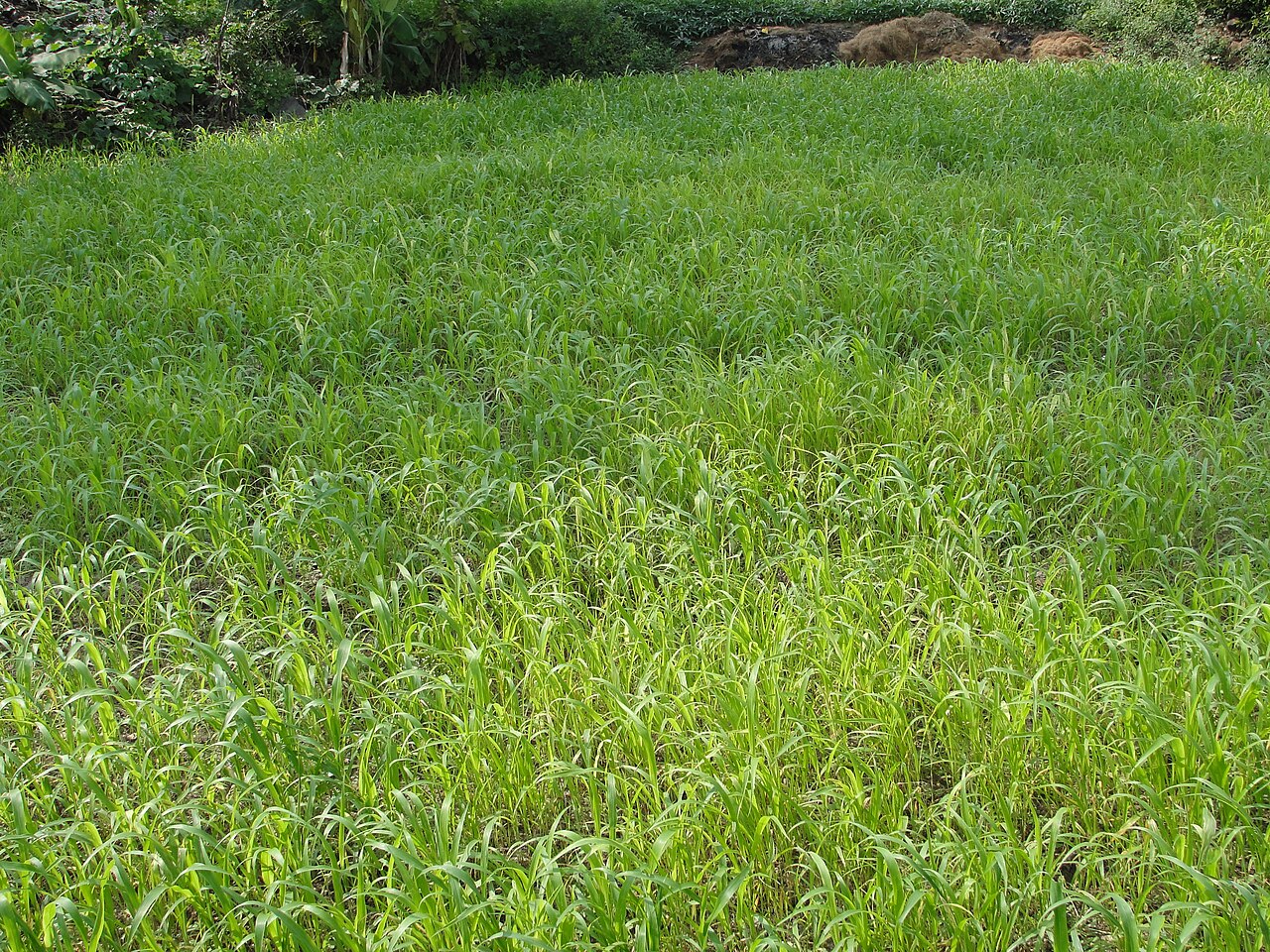
India should raise maize production to 75 million tonnes over the next decade and lift productivity 1.5-fold, Dr M. L. Jat, Secretary of the Department of Agricultural Research and Education (DARE) and Director General of the Indian Council of Agricultural Research (ICAR), said on Monday at the opening of the 1st International Maize Conference 2026 in Hyderabad, Rural Voice reported.
Jat said India's maize output has reached about 55 million tonnes on the back of strong productivity gains over the past decade. The next step, he said, depends on technology, better crop management and more efficient use of resources. The conference, on the theme "Maize Revolution for Food, Feed, Fodder, Fuel and Sustainability in the Changing World", runs from 2 to 4 November at the JD Convention Centre.
He proposed widening the usual "4F" view of maize, food, feed, fodder and fuel, into a "5F" approach that puts farmers at the centre, so that research and extension translate into higher farm profits. He called for a systems approach to close yield gaps that come from crop management, and for expanding maize across seasons and agro-ecological zones without eating into oilseeds and pulses. Affordable quality seed, especially public-sector hybrids, and a strong seed system were named as priorities.
Dr D. K. Yadav, ICAR's Deputy Director General for crop science, said 329 maize hybrids had been developed in the past five years. He urged a stronger All India Coordinated Research Project on Maize and breeding for yield, nutritional quality and resistance to pests, diseases and weather stress, along with mechanisation and better public hybrid seed production.
Former ICAR chief Dr R. S. Paroda stressed advanced breeding, conservation and use of germplasm, stronger value chains and control of aflatoxin for food and feed safety. Dr H. S. Jat, president of the Maize Technologists Association of India, asked for closer collaboration among research institutes, universities, policymakers and industry, and CIMMYT maize scientist Dr S. Vasal argued for simple, low-cost breeding suited to farmers' needs.
The meeting brings together scientists, officials and industry to work on seed access and maize value chains, including maize for ethanol.
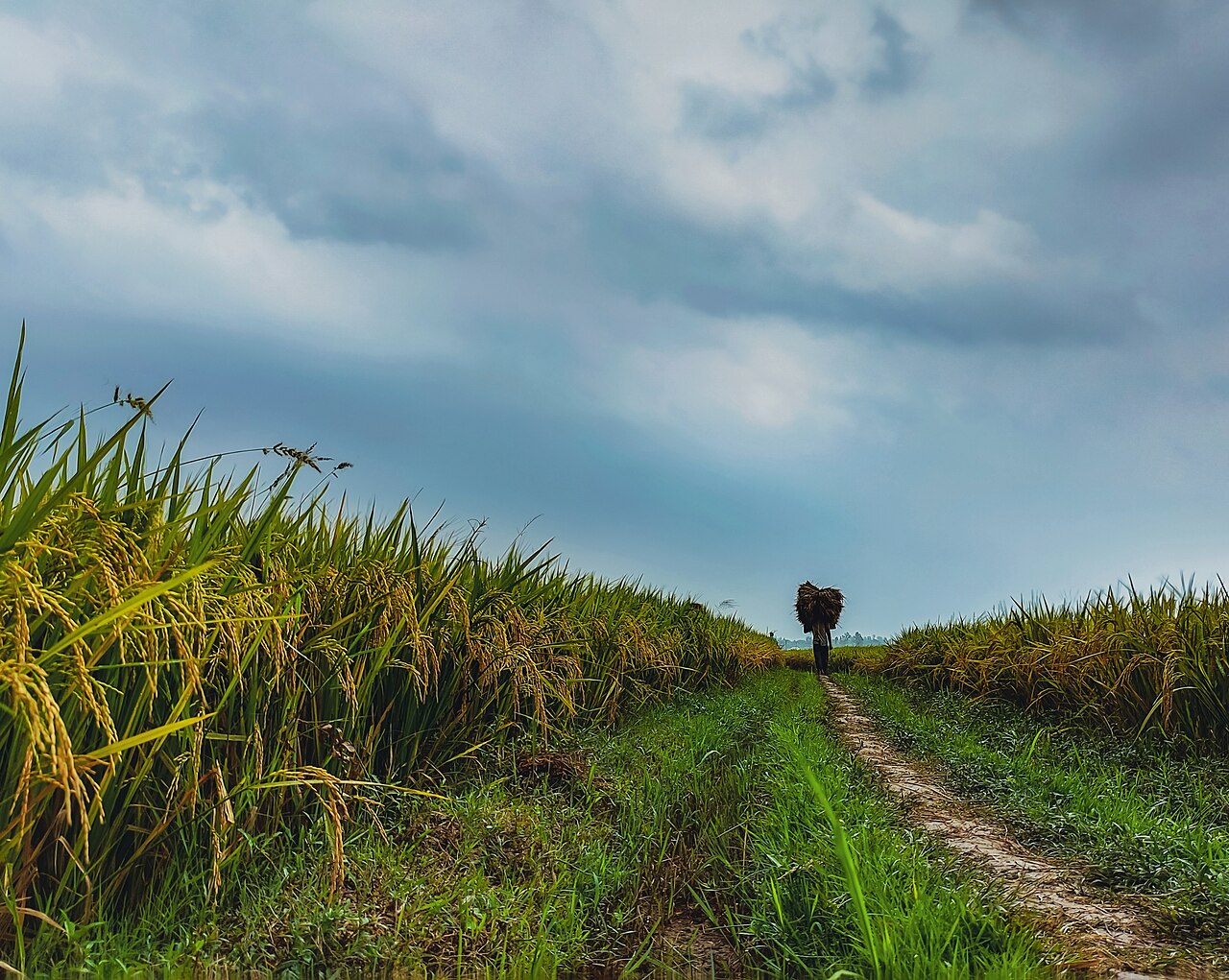
Photo: Thamizhpparithi Maari / Wikimedia Commons (CC BY-SA 3.0)
Source: Rural Voice
Comments
(0)