
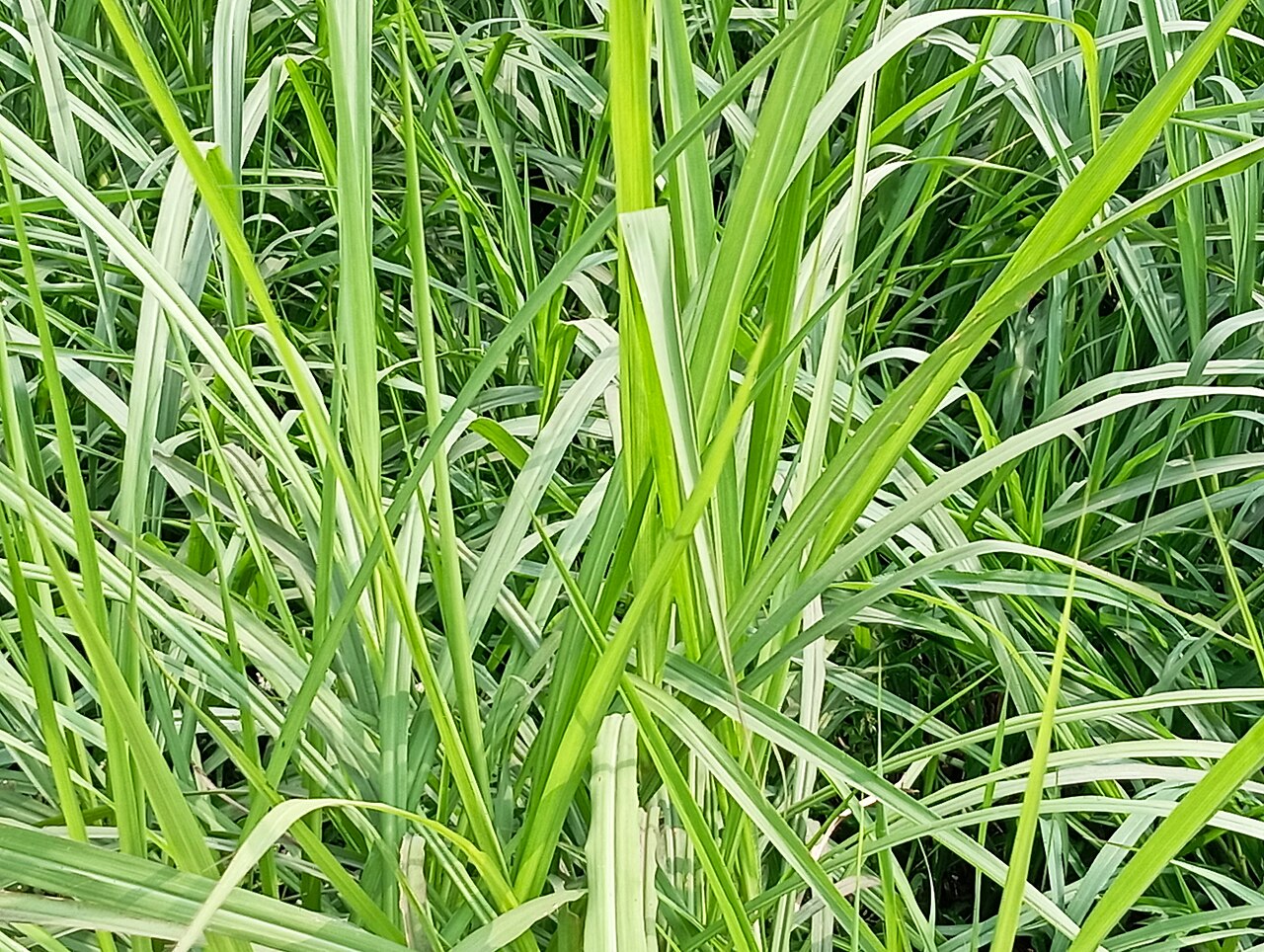
India's central government has identified 22 permissible works under its rural employment law, the Viksit Bharat-Guarantee for Rozgar and Ajeevika Mission (Gramin) Act, 2025, that can be used to strengthen fodder security, develop community pastures and improve livestock infrastructure.
The Department of Rural Development and the Department of Animal Husbandry and Dairying have jointly issued an advisory to all states and Union Territories. Its stated aim is to address fodder shortages and support livelihoods based on livestock, particularly for small and marginal farmers and landless households who depend on dairy and animal husbandry.
The Act came into force on 1 July 2026 and guarantees 125 days of wage employment per rural household. The 22 activities are drawn from its 375 permissible works. They include fodder cultivation for households and communities, grazing lands and silvipasture, fodder banks, storage and silage units, shelters for cattle, goats, pigs and poultry, community milk collection centres, veterinary health centres, watering troughs and Azolla tanks.
States are encouraged to raise spending on fodder and livestock works progressively towards at least 5% of total programme expenditure, where local needs, approved plans and guidelines justify it. Particular attention may be given to Gram Panchayats where more than 30% of the population depends on livestock.
Planning is to be led by Panchayati Raj Institutions, with the works included in Viksit Gram Panchayat Plans and approved through the Gram Sabha. State fodder resource plans prepared by the ICAR-Indian Grassland and Fodder Research Institute may guide district and block planning, and the advisory encourages perennial grasses, suitable fodder varieties and integrated crop-livestock systems.
The advisory also repeats the Act's safeguards, among them compulsory social audits, weekly public disclosure, grievance redressal and the district-level ceiling of 40% on the material component.
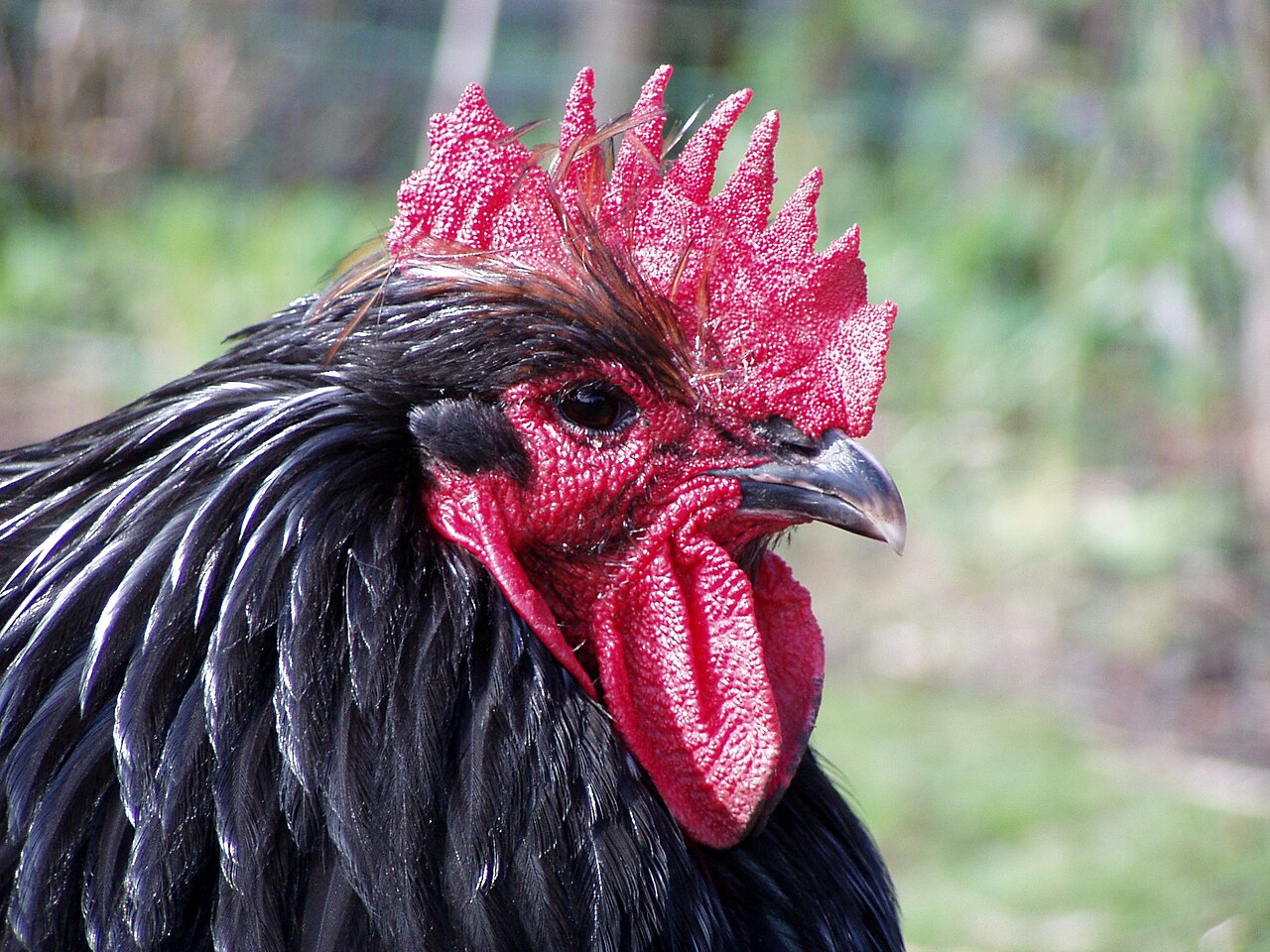
Photo: Salil Kumar Mukherjee / Wikimedia Commons (CC BY-SA 4.0)
Source: Rural Voice
Comments
(0)