
Two early-career researchers at the International Livestock Research Institute (ILRI) in Nairobi are working on different ends of the same problem, how to cut livestock emissions without hurting farm incomes, ILRI reported on 16 October.
Archit Mohapatra, a biotechnology PhD student from India, joined ILRI's Mazingira Centre in May 2026 for the Low-Methane Forage project. In the laboratory he tests locally available legume forages for digestibility, methane production and their effect on the rumen microbes involved in making methane, looking for feeds that lower emissions from sheep while keeping them productive. "If we can reduce methane emissions while improving productivity, it will be a win-win for both the environment and farmers," he said.
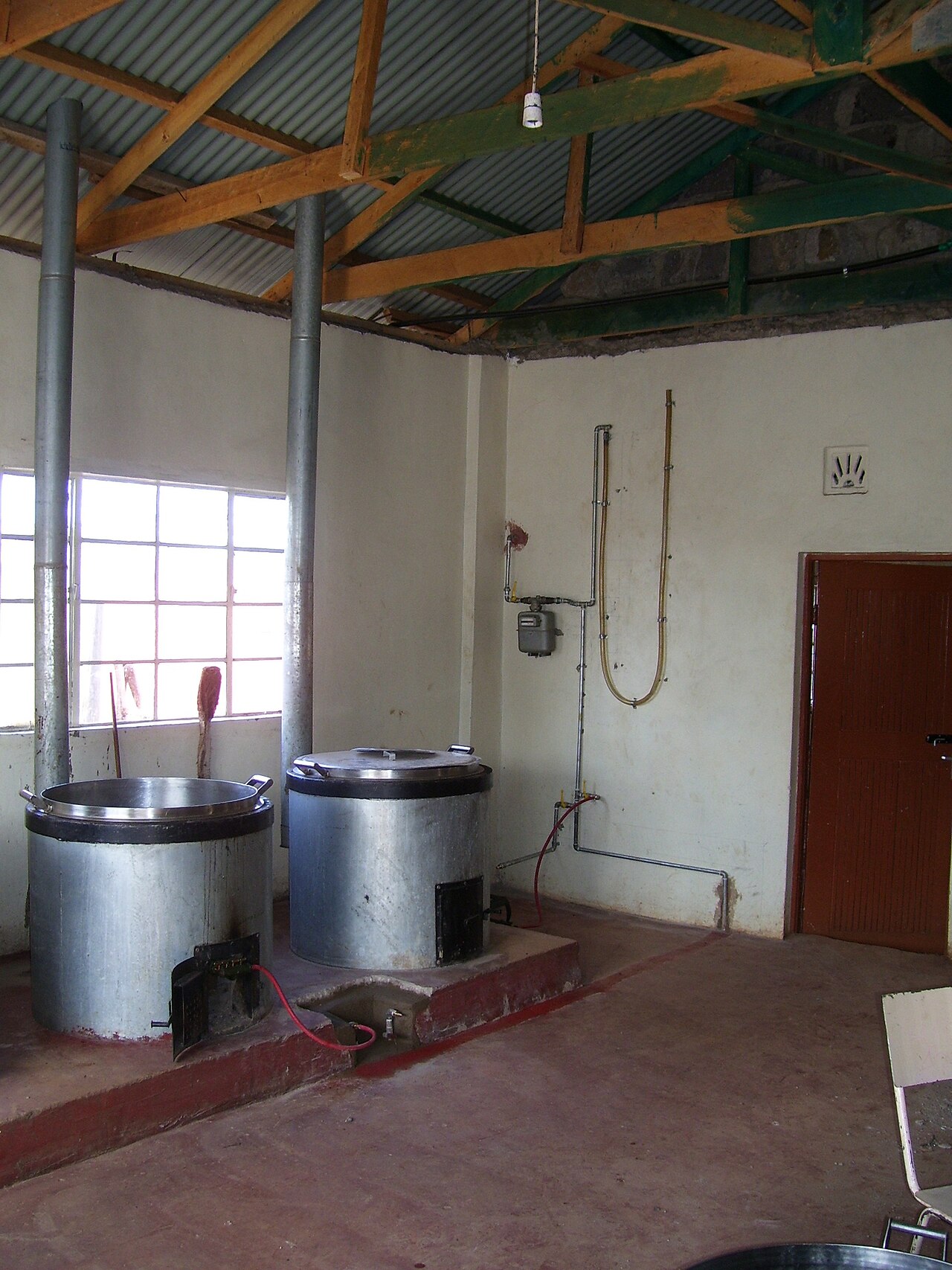
Egas José Armando, an agricultural engineer from Mozambique and a PhD researcher at the University of Rwanda who specialises in the Internet of Things, arrived in June for a five-month placement. He is building a sensor-based system for the centre's biogas digester, which turns manure into cooking gas and digestate fertiliser, that automatically records temperature, pressure and gas flow and brings them into one dashboard. "If we want to claim greenhouse gas credits, monitoring, reporting, and verification have to be accurate and transparent," he said.
Both are fellows of CLIFF-GRADS, a scholarship run by the Global Research Alliance on Agricultural Greenhouse Gases and the CGIAR Climate Action Science Program that gives researchers from low- and middle-income countries access to laboratories and mentors. ILRI notes that livestock supports the livelihoods of about 1.3 billion people. The story was written by Grace Oduor.
Photo: SuSanA Secretariat / Wikimedia Commons (CC BY 2.0)
Source: ILRI
Comments
(0)