
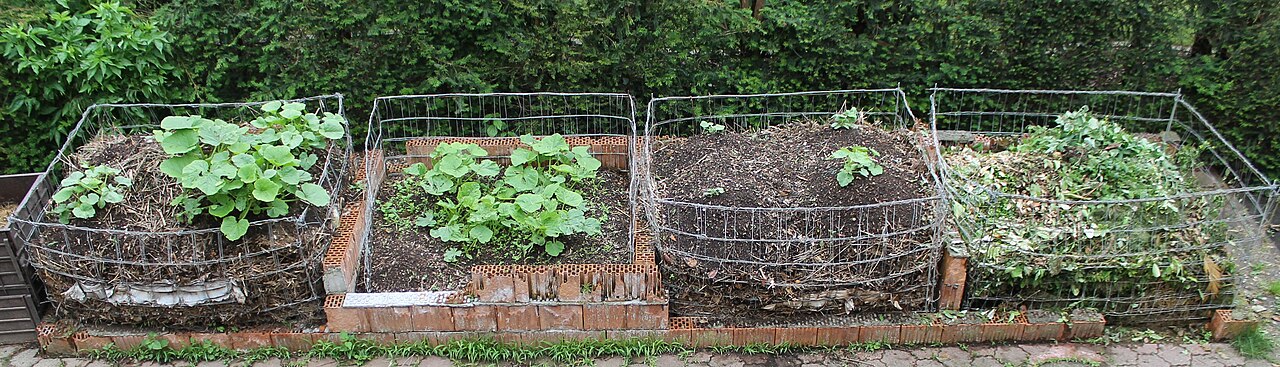
University of Illinois Extension and SCARCE, an environmental nonprofit, are again inviting communities across Illinois, the leading pumpkin-producing state in the United States, to bring their autumn pumpkins to "Pumpkin Smash" events so they are composted instead of thrown away.
A pumpkin sent to landfill decomposes without oxygen and produces methane, a greenhouse gas, and can release excess moisture. "Many do not realize that a thrown-away pumpkin does not break down and disappear on its own without leaving a trace," said Kathryn Pereira, the Extension's local foods and small farms educator.
Since 2014 the Illinois events have composted more than 1,600 tons of pumpkins, cutting greenhouse gas emissions by nearly 1,200 tons of carbon dioxide and keeping more than 345,000 gallons of water out of landfills, organisers say.
Residents remove candles, paint, ribbons and decorations and drop pumpkins at collection sites; the pumpkins then go to composting facilities and come back as compost for soil. The events also discourage illegal dumping of pumpkins and yard waste in natural areas, and similar programmes run in other states.
Those who cannot attend can compost through local waste services, private composters or a home compost bin, which also prevents methane and returns organic matter to the soil.
Photo: Play It Again, SPAM / Wikimedia Commons (CC BY-SA 4.0)
Source: Farms.com
Comments
(0)