
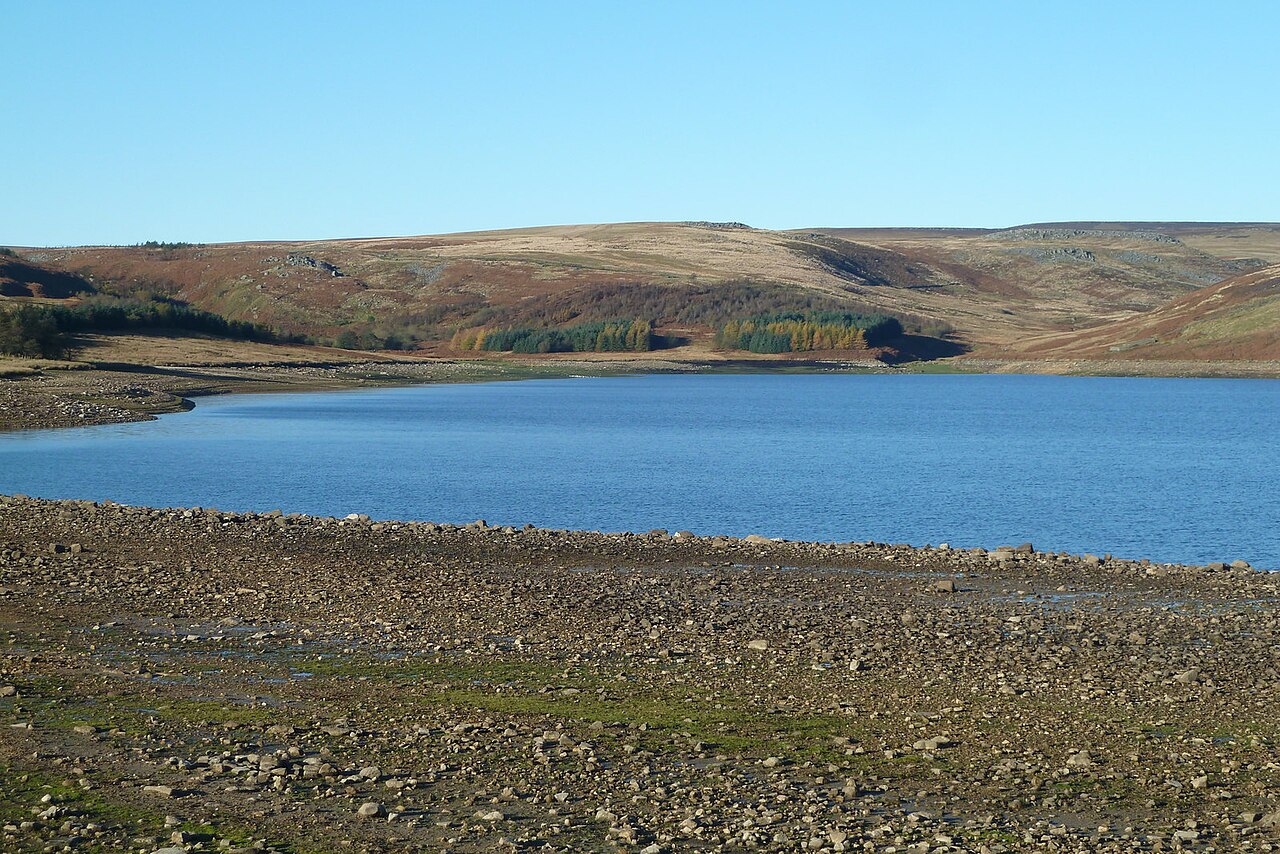
The Environment Agency declared drought in Yorkshire on 9 October after the region's fifth-driest April-to-September period on record. Yorkshire joins central, southern and eastern England in drought status, while the North East and North West remain in prolonged dry weather. It is England's third drought in five years, after 2022 and 2025.
England's reservoirs held 54% of capacity in the week to 6 October, 21% below the seasonal average. In Yorkshire, Grimwith stood at 44.3%, Scar House 35.8%, Thruscross 33.9% and Langsett 23.3%. Research suggests it would take rainfall of 120% of the long-term average over seven months to lift all of England out of drought.
Now the Met Office sees a "heightened potential" for a wetter, stormier autumn. Heavy rain on soils left compacted or water-repellent by the dry months can run off, carrying soil and nutrients into ditches and rivers instead of soaking in.
Farmers are advised to use the Environment Agency's temporary concession, until 31 October, that lets eligible abstraction licence holders fill reservoirs outside their usual period for later spray or trickle irrigation, after checking their licence conditions; to clear ditches and drains before heavy rain without pushing flood risk elsewhere; to protect soil with cover crops; and to check ground conditions before spreading slurry or manure.
A new Flood and Drought Resilience Taskforce of more than 50 organisations, including the NFU, Met Office and Environment Agency, meets for the first time on 14 October. The government is spending £1.4bn on flood defences in 2026-27 and has pledged £65m to help farmers improve resilience. Water minister Emma Hardy said recent rain was not enough to replace the water used in spring and summer.
Photo: Peter Bond / Wikimedia Commons (CC BY-SA 2.0)
Source: Farmers Weekly

Comments
(0)