
Phosphorus drives the energy system of both corn and soybeans, but with fertiliser prices elevated and farm margins tight, Illinois growers are being told to let their soil tests, not habit, decide whether to spread phosphate this autumn. The advice comes from Dana Harder, an agronomist for Burrus Seed whose territory covers western Illinois, and Andrew Margenot, a soil scientist at the University of Illinois.
The baseline, Harder said, is a soil test at least once every three years: cheap compared with a phosphate application that may not be needed. Margenot said the standard recommendation is a soil-test phosphorus level of 25 parts per million, about 50 pounds an acre, but that figure is based on yield response rather than economic return, and a field can sometimes make more money with a slightly lower yield because it spent less on fertiliser.
Where a test comes in within roughly 10 to 20 per cent of the recommendation, Margenot said there is often no economic reason to apply a full rate: a field testing 18 to 20 ppm against a 25 ppm target could skip the application or apply half. Skipping a single year will not lower soil phosphate much, except on very sandy soils.
Soil pH decides how much of the phosphorus already in the ground the crop can use. Harder puts the target between 6.0 and 6.8, and says that where pH is below 6.0 lime may be the better first dollar spent. "Lime isn't a substitute for phosphate, but it makes phosphorus already in the soil more available," he said, adding that pH takes months to move.
Margenot's strongest point was about removal rates. Replacing what the grain takes off is sound practice, but state-average removal figures may not fit a given field; he has seen farmers spend an extra $25 an acre on phosphate they did not need because what they believed was a maintenance rate was in fact a build rate. His answer is to test the grain itself, pulling a few samples off the combine every 10 or 20 acres, which any laboratory that does foliar testing can analyse.
The two also pointed to a spring-applied starter as a way to cut back while still feeding the emerging crop, and to variable-rate application, which lets a grower put nutrient into the low-testing parts of a field and skip the high ones. "On fields with a wide spread in test values, that's often the single biggest way to cut phosphorus spend without giving up yield," Harder said. Reported by Ava Splear for Farm Progress.
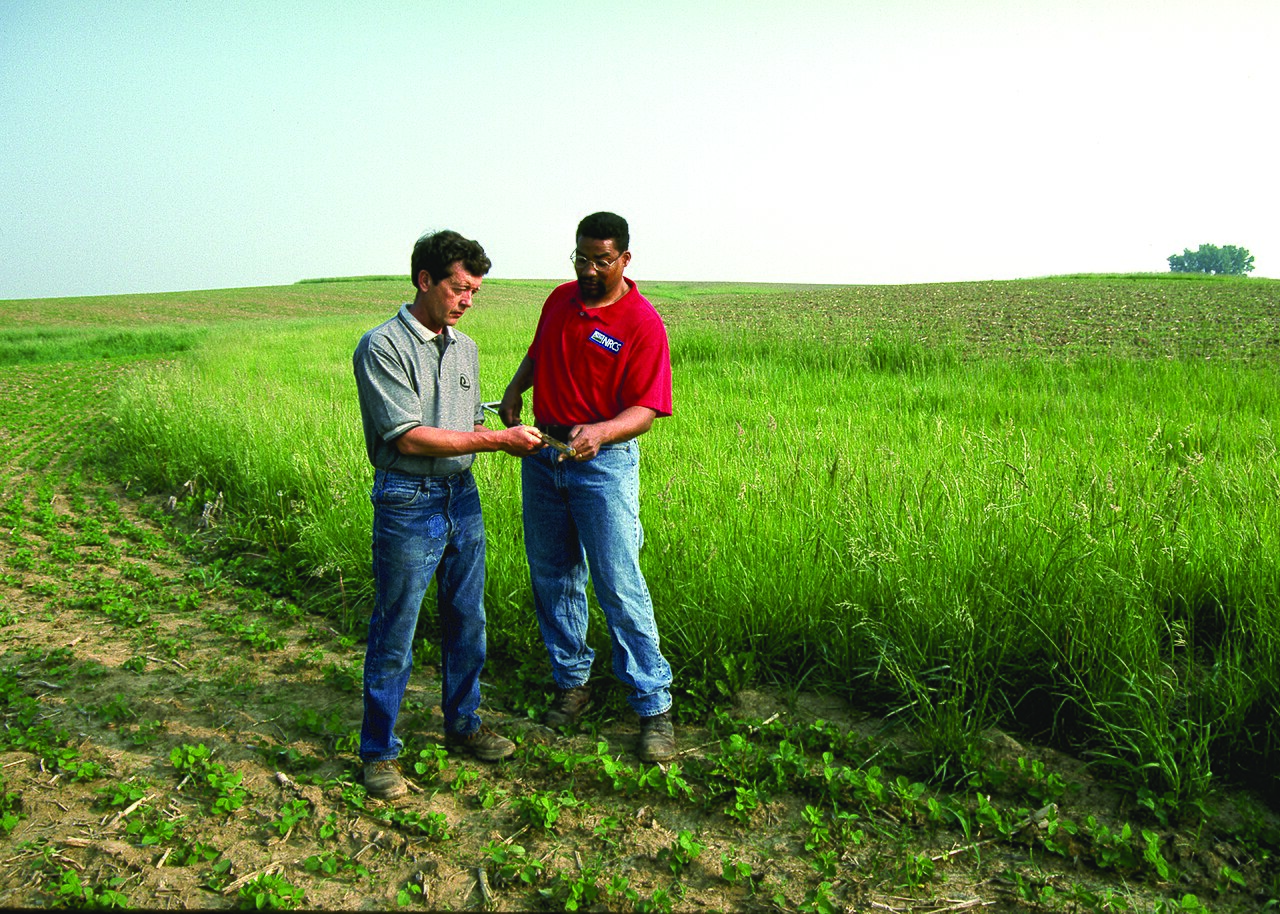
Photo: Tim McCabe, USDA Natural Resources Conservation Service / Wikimedia Commons (Public domain)
Source: Farm Progress



Comments
(0)