
Bangladesh has practically no system for checking whether locally made aluminium pots and pans are safe, and no standard for lead in cookware. That is what BBC Bangla found after a study by icddr,b and Stanford University in the United States showed lead from locally made aluminium pots getting into rice and khichuri, in a report carried by Dhaka Mail.
The study was published in Nature's Journal of Exposure Science and Environmental Epidemiology. According to an icddr,b release, more lead was found in food during the first few uses of a new pot. The institute says lead can cause lasting harm to children's brain development, and the World Health Organization says no level of lead in the blood is safe. Many locally made pots are cast from melted scrap metal, icddr,b says, and if that metal is not tested properly the lead stays in. A pot that is new or shiny is not necessarily safe.
Chattogram is the country's largest centre for aluminium cookware. Harunur Rashid, president of the Chattogram Aluminium Industry Owners' Association, told BBC Bangla that most factories have no quality checks, and there is no way of testing recycled metal for lead or other harmful content. Former president Ekramul Haque said some large firms do test, but many use harmful scrap from ships and many small units follow no rules at all.
Md Alauddin Hussain, a director of the Bangladesh Standards and Testing Institution (BSTI), said two rounds of meetings with 39 aluminium cookware makers had brought no real response, since many producers do not understand the question of heavy metals. The product has now been added to the list of essential goods, he said, so a safety standard will be drawn up and enforcement drives will begin.
Md Shafiqul Islam, chairman of the Bangladesh Food Safety Authority, said it is true that lead leaches from aluminium pots into food, which is why the authority has long run awareness campaigns against using them. Setting a standard in line with international ones takes time but is under way, he said. In practice, aluminium pots are still used for cooking in countless homes and food shops.
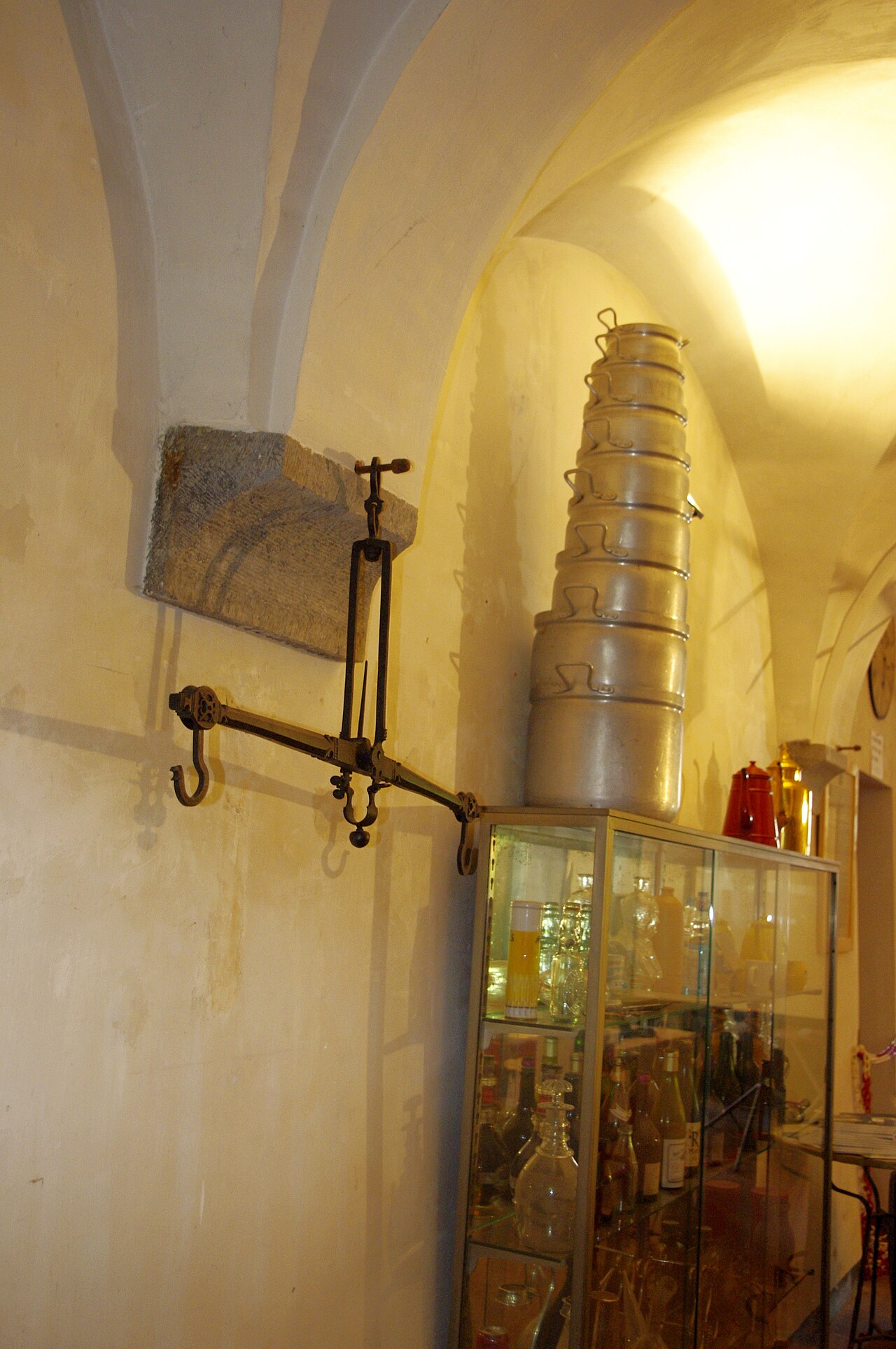
Photo: Traumrune / Wikimedia Commons (CC BY-SA 3.0)
Source: Dhaka Mail



Comments
(0)