
Dengue usually starts to decline in November, but this year infections and deaths have not fallen even after the season. According to the Directorate General of Health Services, 12,580 people were infected and 39 died in the first seven days of November. So far this year 147,580 people have been infected and 458 have died, Dhaka Mail reported. From January to November 2025 there were 76,026 cases and 307 deaths.
The year began quietly: two people died in each of January and February and none in March or April. After one death in May and 13 in June, 36 died in July, 43 in August and 148 in September. October brought 174 deaths, the highest for a single month this year, and 56,380 cases.
Medicine specialist Professor Dr A B M Abdullah told Dhaka Mail that dengue is no longer bound to a season and has become a year-round problem. He put the rise in deaths down mainly to the virus's different serotypes: a first infection is usually less severe, but a second, third or fourth can be dangerous, and many people infected now have had dengue before.
Kabirul Bashar, an entomologist at Jahangirnagar University, said changes in rain and humidity, partly linked to climate change, are lengthening the mosquito breeding season and keeping Aedes mosquitoes active for longer. Experts do not expect a significant decline before December.
Public health specialist Professor Dr Be-Nazir Ahmed said many patients do not recognise dengue's changing symptoms in time. They ignore a mild fever, cold, cough or body ache and delay treatment, and the illness suddenly turns serious. He named late diagnosis as one of the main causes of death. Experts advise seeing a doctor without delay when such symptoms appear, and clearing standing water to destroy mosquito breeding sites.
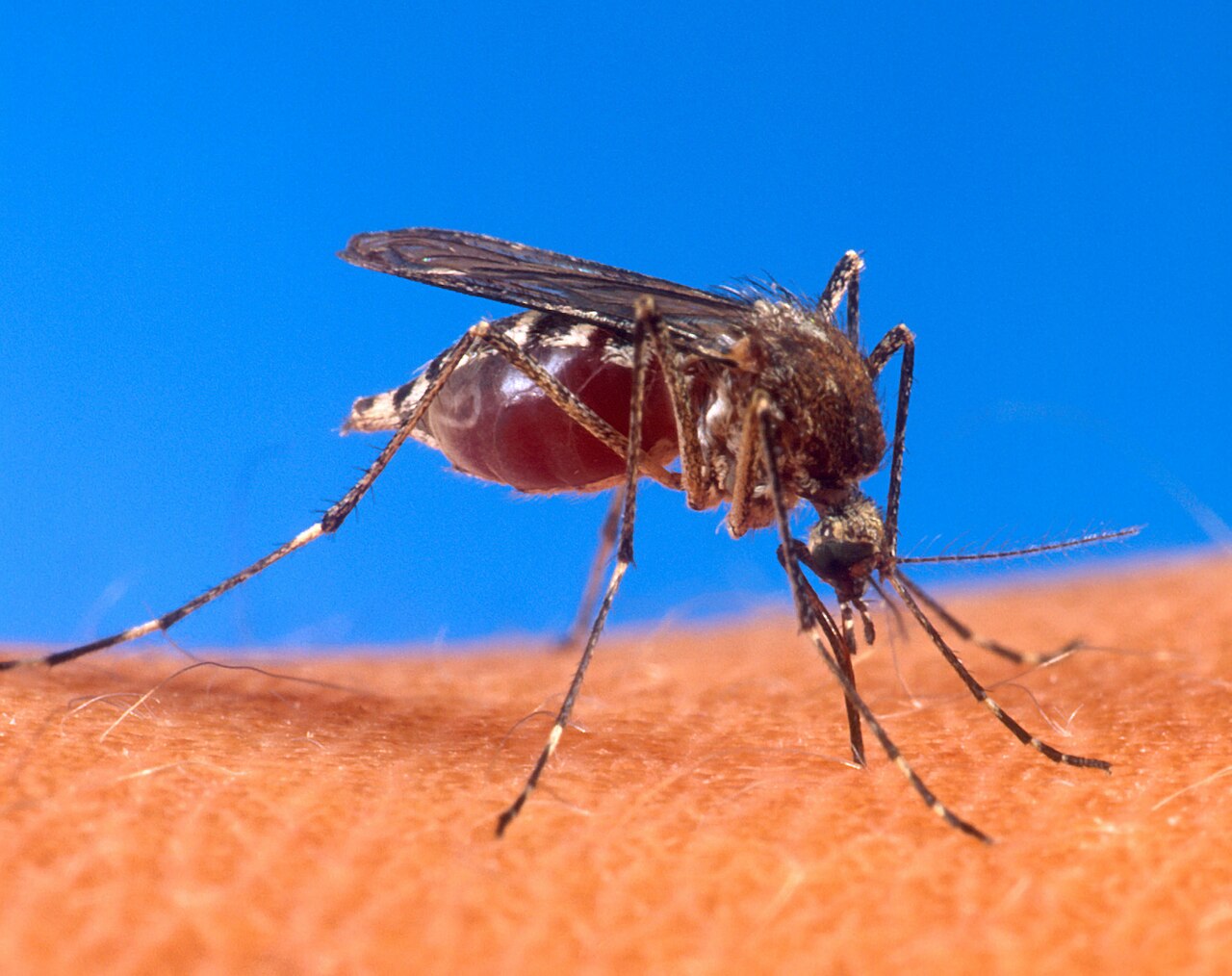
Photo: US Department of Agriculture / Wikimedia Commons (public domain)
Source: Dhaka Mail


Comments
(0)