
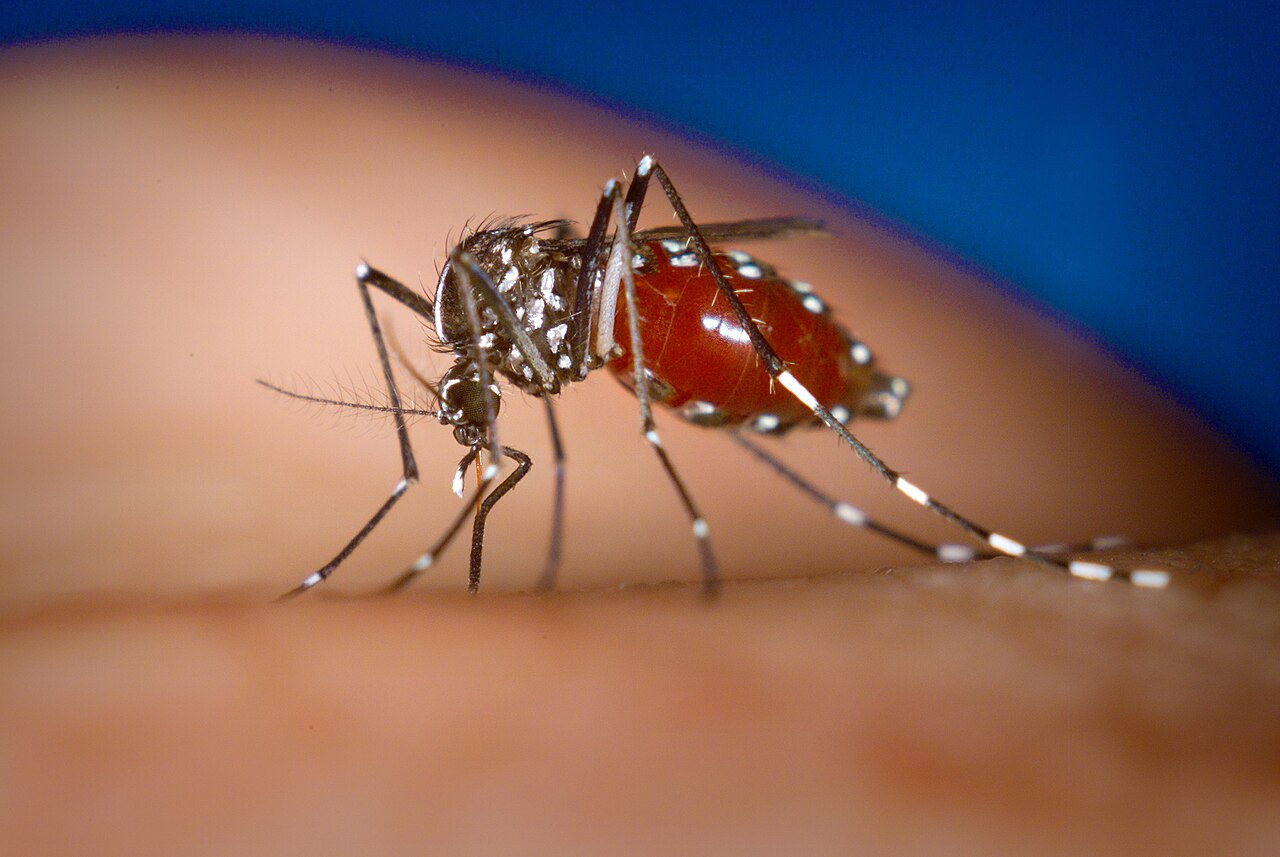
Nearly 38 per cent of the women who have died of dengue in Chattogram this year were pregnant. According to the district civil surgeon's office, 7,541 people in the district had been infected by Friday (6 November) and 40 had died. Twenty-one of the dead were women, and eight of them, or 38.1 per cent, were pregnant; none of their babies survived. Several women who had recently given birth have also died.
Infections peaked in September and October, with 2,430 cases in September and 2,608 in October. In the first six days of November another 467 patients were admitted to hospital and three died; 46 were admitted on Friday alone.
Samakal's report tells of several families. Arpita Das, 26, married less than a year and expecting her first child, died of dengue along with her unborn baby. Rasheda Begum Rimi, 29, who had her second child a month earlier, developed a high fever on 3 September and tested positive the next day; admitted on 5 September and moved to intensive care, she died as her platelet count fell fast. Anisa Das Moli, 30, was due to give birth to her second child on 17 November; she fell ill on 20 October and died five days later in the ICU of Chattogram Maa O Shishu Hospital.
Professor Muslina Akhter, vice-principal and head of gynaecology at Chattogram International Medical College, said the physical and hormonal changes of pregnancy can make dengue far more complicated, with serious consequences for both the mother and the unborn child. Platelets can drop quickly, and there is a risk of severe internal bleeding before or during delivery.
Chattogram civil surgeon Dr Mohammad Sazzadur Rahman called the number of cases and deaths worrying and said pregnant women with dengue need special care and treatment. During an outbreak he advised using mosquito nets in the daytime too.
Deputy commissioner Mohammad Zahidul Islam Mia said hospital beds and intensive care can be expanded, but a life lost cannot be brought back, so mosquito breeding sites must be destroyed and homes and their surroundings kept clean, which needs public awareness. Relatives of the dead asked whether the deaths could have been avoided had mosquito control been carried out in time.
Photo: James Gathany, CDC / Wikimedia Commons (public domain)
Source: Samakal

Comments
(0)