
With the National Ploughing Championships marking the turn of the season and winter housing close, Irish dairy farmers are being warned not to let their guard down against infectious bovine rhinotracheitis (IBR), one of the main health threats once cattle come indoors.
Animal Health Ireland (AHI) research found that 83% of Irish dairy herds had at least one positive IBR case in 2024, even though the share of dairy farms vaccinating had risen from 69% in 2018 to 73% in 2024. The gap between those two figures is the reason farms are being told to look beyond the vaccine.
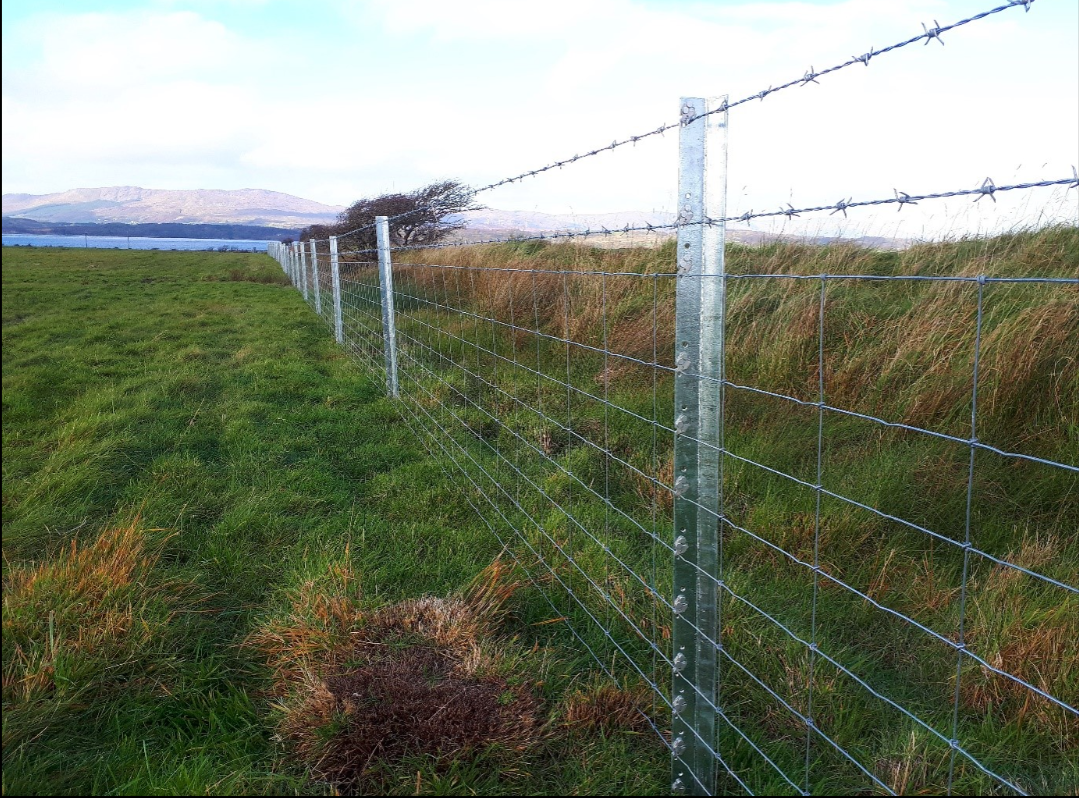
IBR is caused by Bovine Herpes Virus-1, an airborne virus that inflames the nose and upper airways and spreads readily between animals in close contact, typically up to 5m apart. It can also travel on people who have handled infected animals and in the semen of infected bulls, so biosecurity matters as much as vaccination: proper boundary fencing, avoiding grazing a boundary field while a neighbour grazes the other side, and keeping a closed herd where possible.
Where cattle are bought in, they should ideally be tested first and then isolated for at least four weeks even after a clean test, remembering that the virus can move between pens. Animals brought to marts or shows and returned unsold should be isolated too. Foot baths for visitors, minimal visitor contact with the herd and disinfectant baths for vehicles — milk lorries, contractors, advisers, even the post van — are all recommended, along with vaccination to prevent reactivation in latent carriers.
The clinical signs AHI lists are rapid, loud breathing sometimes with coughing; inflammation inside the nose and in the pink of the eye; throat inflammation; discharge from nose and eyes; high temperature; dullness and reduced appetite; and a sudden drop in milk yield or abortion. Regular bulk-milk-tank antibody testing is suggested so that a problem is caught before it hits production.
Latently infected animals are a large part of the problem: they show no illness but can shed the virus for up to three weeks when stress or immune suppression reactivates it. Any farm with an IBR issue is urged to contact its vet at once, since treatment and prevention options vary. Cathal O'Shea wrote the guidance for Agriland.
Source: Agriland
Comments
(0)