
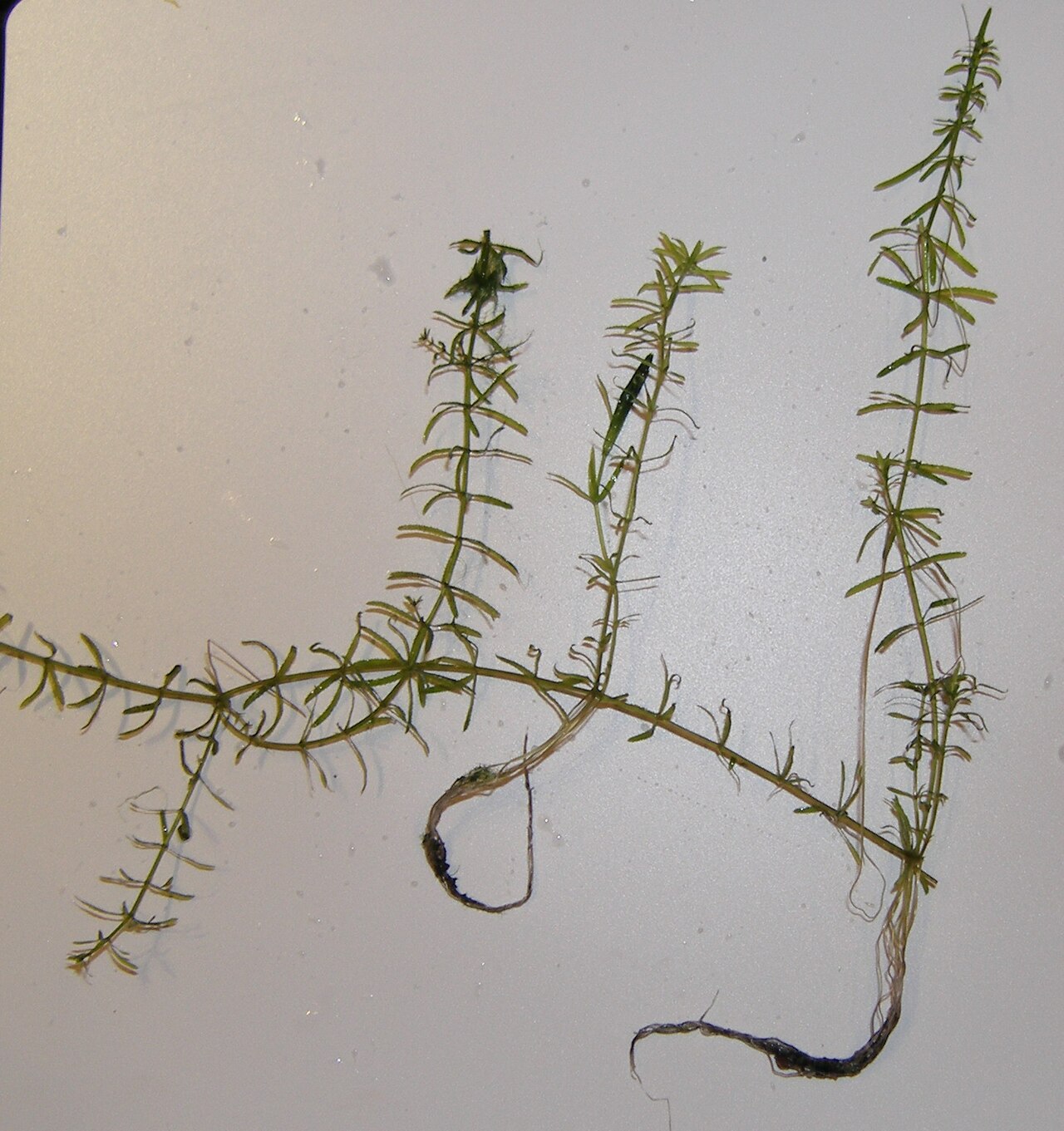
Hydrilla verticillata, a submerged water plant counted among the world's worst invasive weeds, has been detected in Oregon for the first time, the Oregon Department of Agriculture (ODA) announced on Oct. 27. It was found in private ponds in Jackson County in southern Oregon and has not been seen in nearby waters.
"We know that if we don't get ahead of it quick, we're in for a very long and expensive battle," Troy Abercrombie, manager of ODA's noxious weed programme, told Capital Press reporter Kyle Odegard. The department plans to treat the ponds with herbicide, survey nearby waterways including the Rogue River, use maps to find the backchannels and slow water the weed prefers, inspect nursery stock and run outreach.
An aquatic vegetation specialist working on other species came across the plant. The first report reached ODA about three weeks before the announcement and was confirmed in the week before it. Abercrombie said the ponds are not meaningfully connected to other waterways and that waterfowl are a likely way it arrived, a common route of spread.
Thick hydrilla can clog irrigation ditches and intake pipes, reduce habitat for fish and wildlife and leave stagnant water where mosquitoes breed. It also gets in the way of swimming, boating and fishing. Oregon lists it as an A-rated species needing a high-priority response, and ODA's own weed profile warns that control programmes are expensive and their effects often short-lived. "It's one of those super weeds," Abercrombie said, because new plants can grow from pieces of stem and from root tubers.
Hydrilla is native to Asia, Africa and Australia. It was first found in the United States in Florida in 1960, introduced through the aquarium trade, and is now widespread; California has fought several infestations and Washington and Idaho have had smaller problems. Oregon residents are asked to report suspected invasive species to the state's hotline with clear photographs.
Photo: Darkmax / Wikimedia Commons (CC BY-SA 3.0)
Source: Capital Press


Comments
(0)