
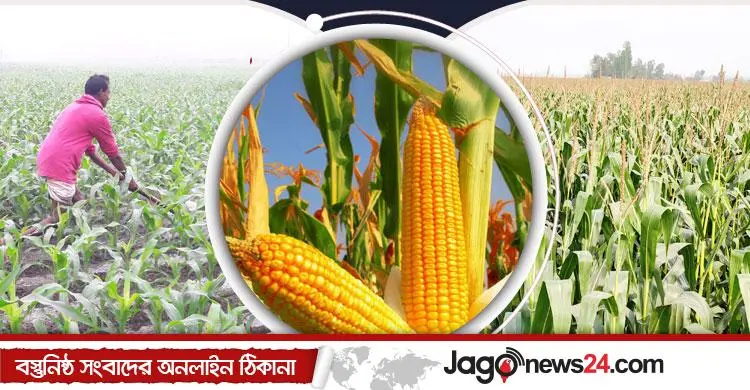
Demand for maize is rising every year in Bangladesh, and so is production. Over six years output has grown by about 46.5 per cent, while imports have fallen by 65.5 per cent. According to the Department of Agricultural Extension (DAE), about 500,000 hectares yielded about 4.7 million tonnes in 2018-19; in 2023-24 production passed 6.884 million tonnes on 642,000 hectares, 26 per cent more land. Annual demand is about 7 million tonnes, most of it now met locally. The National Board of Revenue says imports fell from 1.323 million tonnes in 2018-19 to 456,000 tonnes in 2023-24.
Maize earns more than crops such as wheat, needs less care, grows on any high land, yields well, is easy to thresh and allows intercropping. The Bangladesh Wheat and Maize Research Institute (BWMRI) has developed 29 maize varieties, 20 hybrid and 9 composite.
The seed gap
The country needs 11,000 to 12,000 tonnes of maize seed a year. BWMRI supplies one tonne of parent seed to the Bangladesh Agricultural Development Corporation (BADC), whose contract farmers produce 60 to 70 tonnes; the rest is imported. Almost every variety grown is hybrid. Growing hybrid maize and producing hybrid seed are not the same, requiring skilled farmers and the right conditions, but hybrid seed can now be produced at home.
How to produce hybrid seed
Hybrid maize comes from crossing two or more genetically different parent lines, combining their best traits for vigorous, uniform plants with higher yields than open-pollinated varieties.
- Land: high land in Kharif; medium-high to medium-low land in Rabi, well drained, sandy loam to fertile loam. Maize cannot tolerate waterlogging.
- Preparation: spread dung and organic manure, plough and harrow 3-4 times, and dig drains around the field.
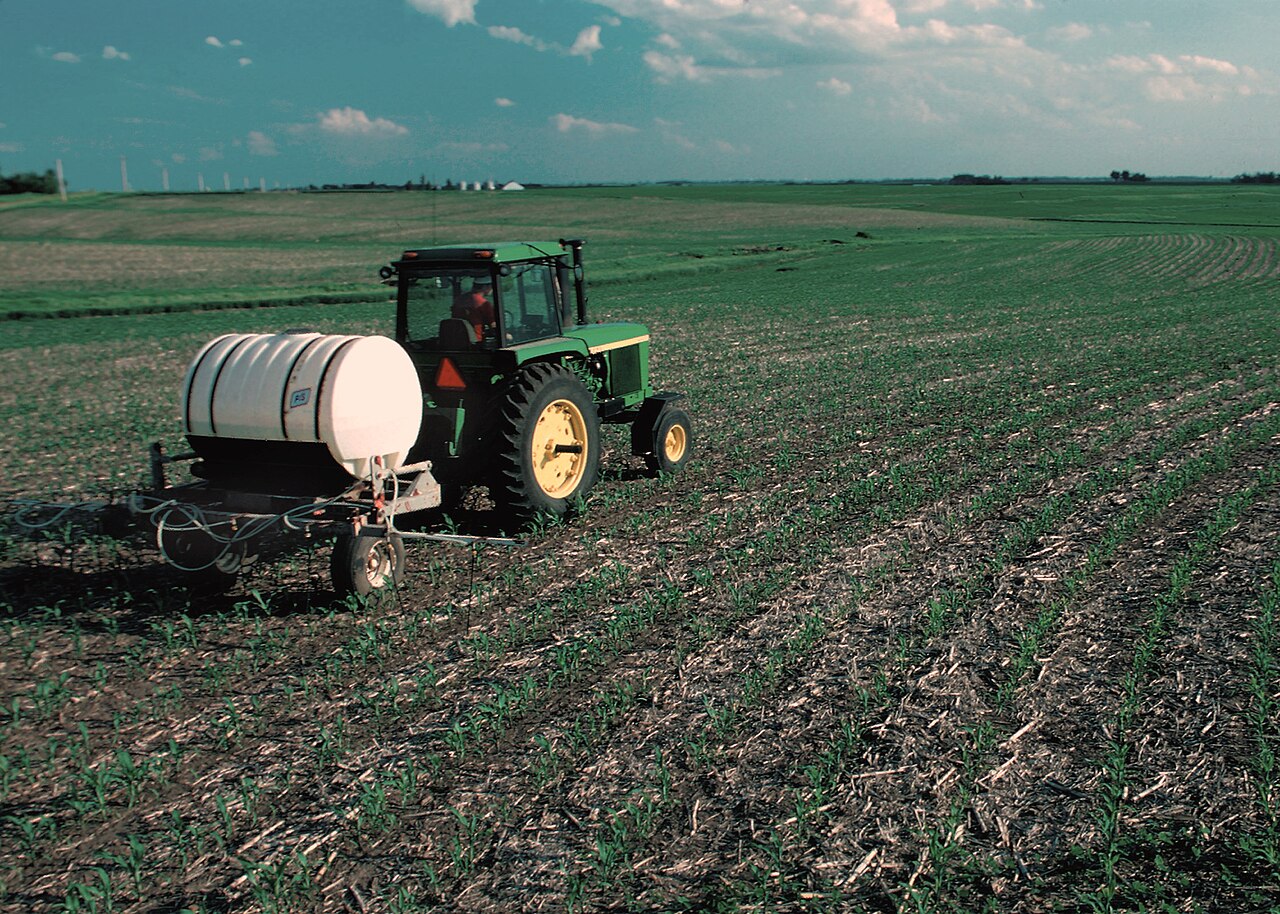
- Fertiliser: doses depend on crop duration, longer in Rabi. In Rabi, per hectare, 160-200 kg TSP, 125-150 kg MoP, 150-175 kg gypsum, 10-15 kg zinc sulphate, 6-8 kg boron and 5,000 kg dung; urea is given in thirds, at final ploughing, the eight-leaf stage and before flowering.
- Sowing: Rabi is best. Female and male lines are sown in alternate rows at 4:2, 75 cm between rows, 20 cm between plants and 2.5-3 cm deep, marked with different coloured tags; irrigate 3-4 times.
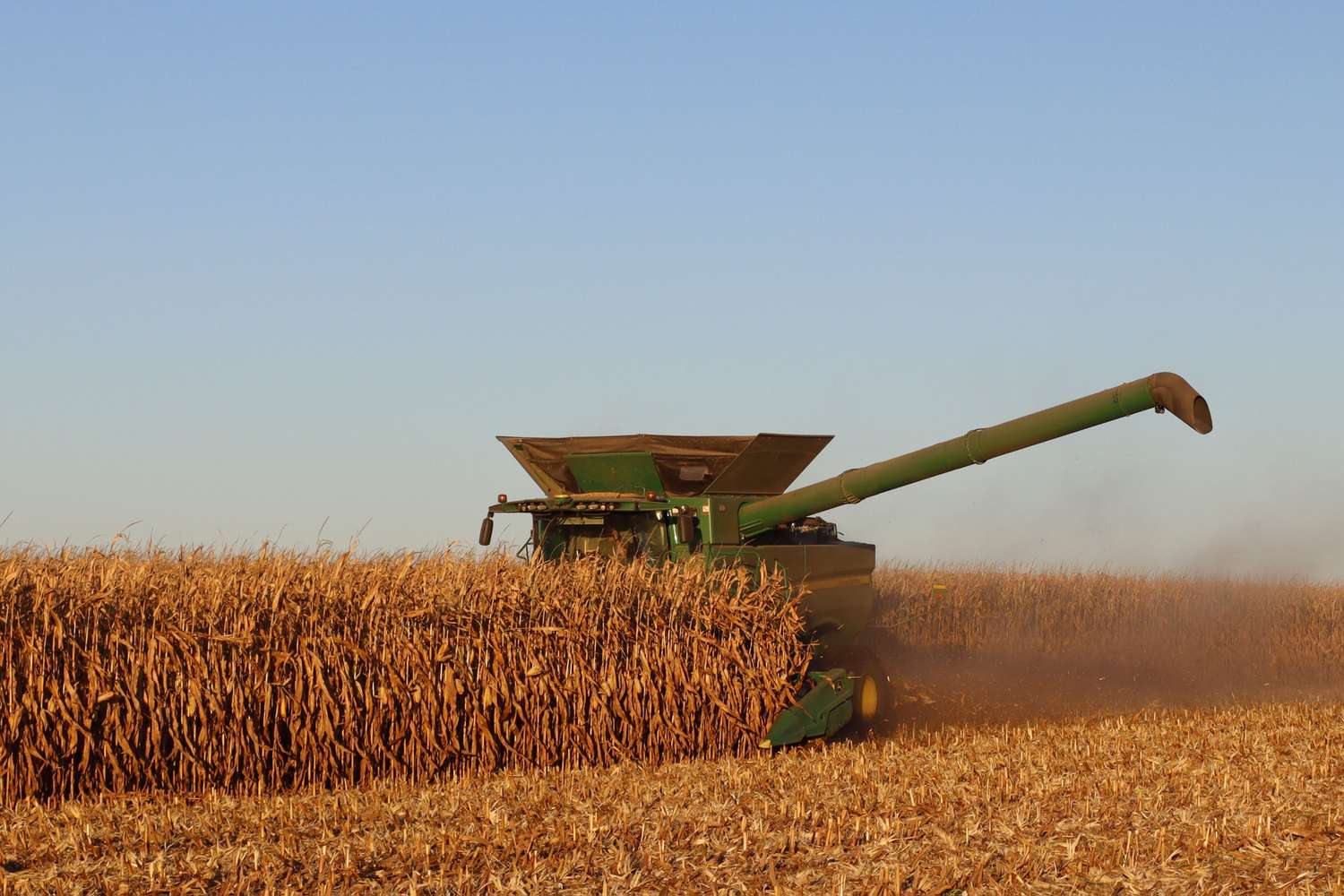
- Harvest: pick ripe cobs when leaves turn yellow-brown, harvest the male line first to avoid mixing, dry cobs for 3-4 days and thresh. Seed is taken only from the female line; Rabi yields 1.5 to 2.5 tonnes of seed per hectare.
Where maize is grown
The top ten maize districts are Dinajpur, Chuadanga, Thakurgaon, Lalmonirhat, Rangpur, Panchagarh, Nilphamari, Jhenaidah, Jamalpur and Gaibandha. Dinajpur produced about 990,000 tonnes in 2023-24 and Chuadanga 578,000 tonnes.
BWMRI's chief scientific officer for maize breeding said maize outyields rice and wheat and copes with higher temperatures, and good prices are drawing more land into maize each year. But much adulterated seed is entering the market, and he called for special government action to stop imported fake seed and support locally produced hybrid seed.
The writer, Dr Forkan Ali, is a researcher and former college principal.
Source: Jagonews24. First published in Bengali on The Agro News.
Comments
(0)